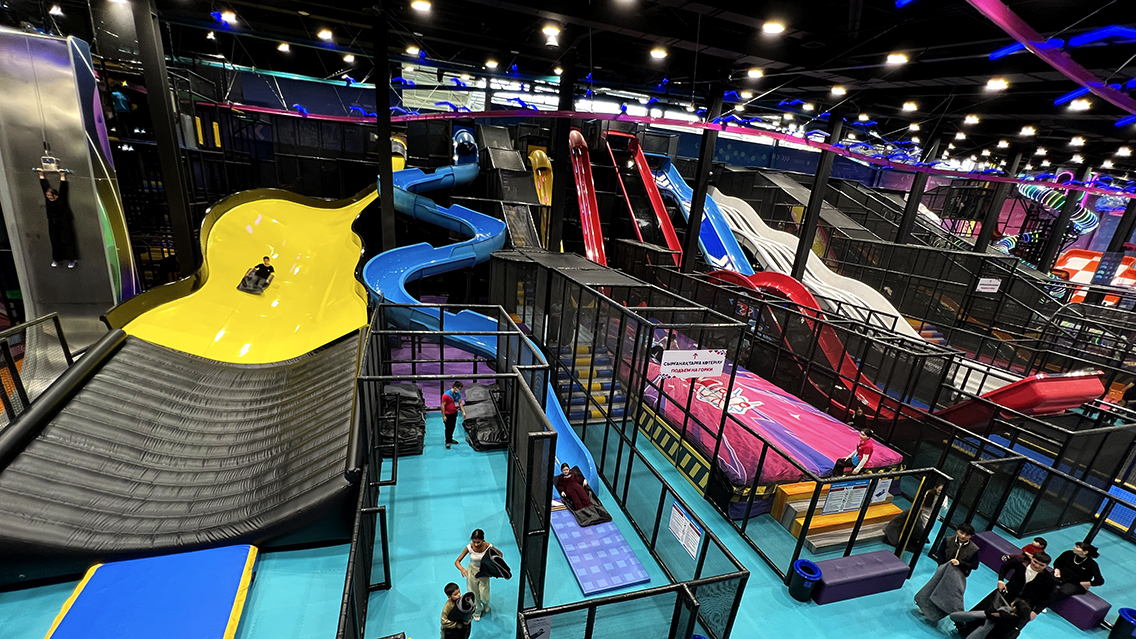
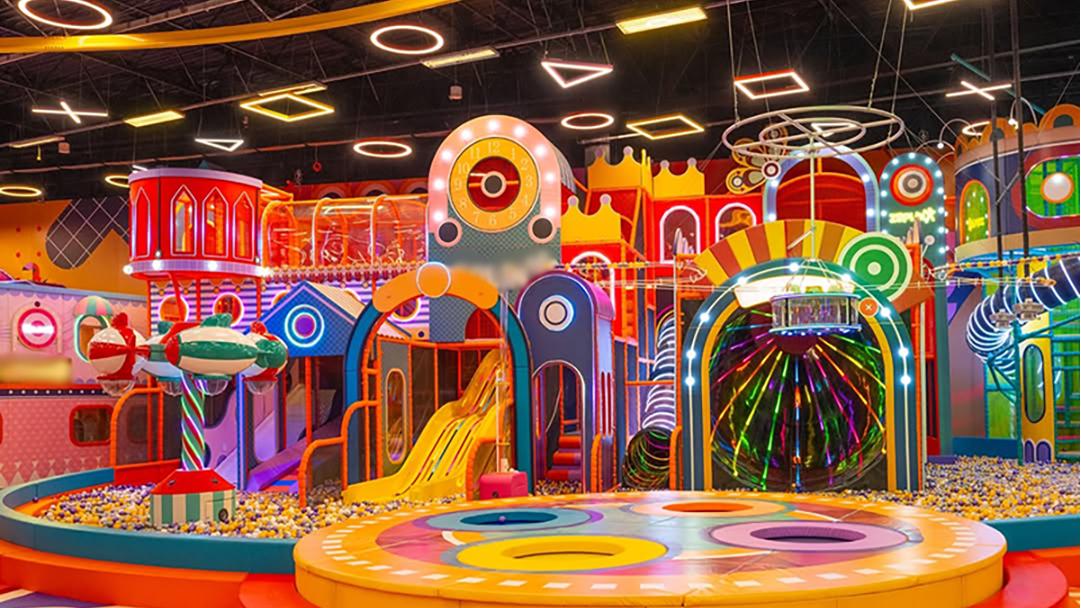
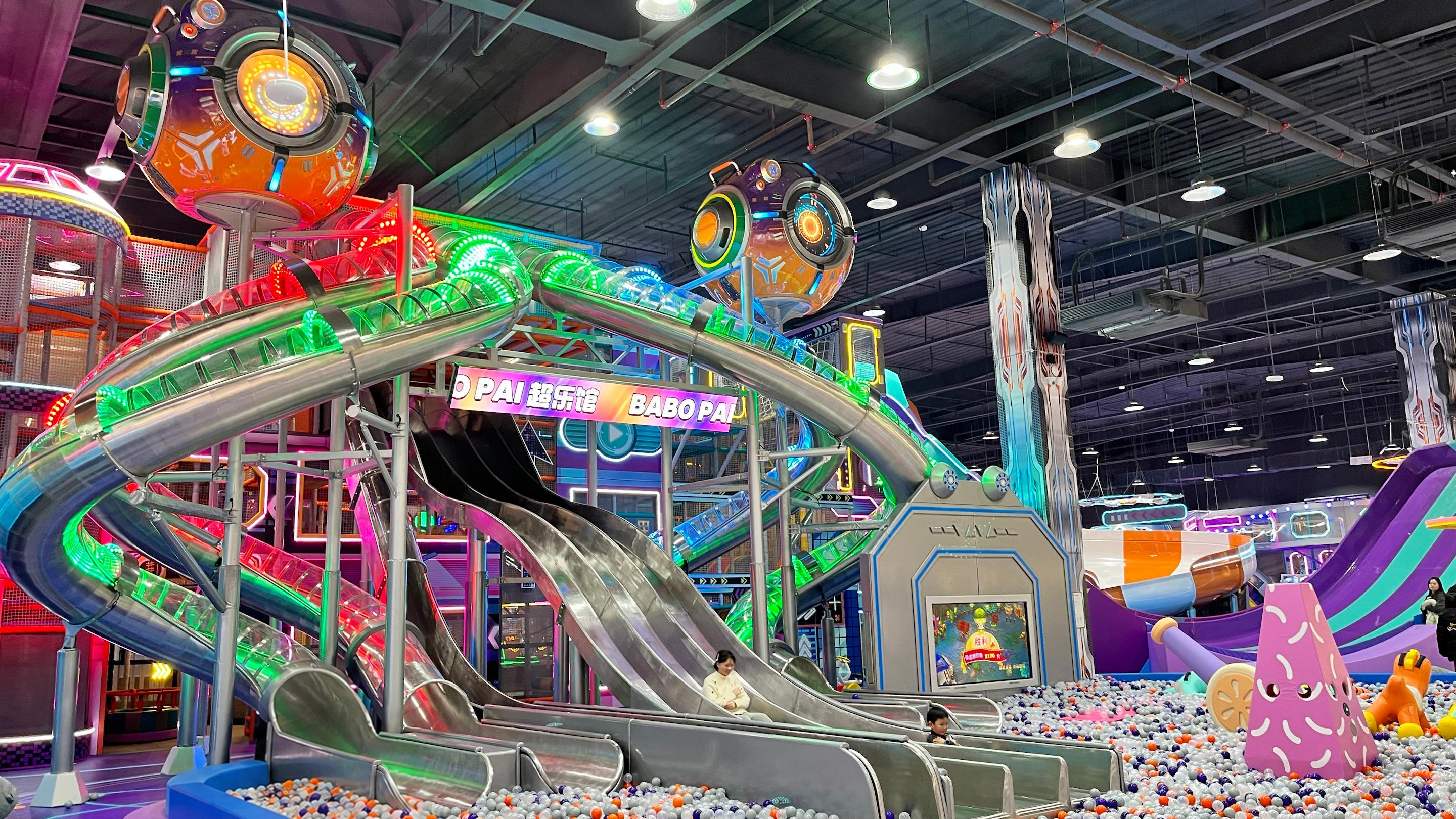
Safety verification should not begin after entertainment equipment has already been manufactured or installed. For an indoor playground, family entertainment center (FEC), adventure park, trampoline park, inflatable attraction, or sports entertainment venue, safety requirements can influence far more than the final inspection. They can affect design decisions, manufacturing consistency, project approvals, opening schedules, maintenance planning, and the confidence of landlords, investors, and operating partners. This is why overseas buyers are increasingly asking suppliers for more than a general statement that their products comply with international standards. They want clear safety evidence, professional design review, documented testing, and a quality-management process that can be traced from the design stage through manufacturing and project delivery. Cheer Amusement® integrates engineering, manufacturing, laboratory testing, installation training, and safety guidance within the entertainment venue development process. This connected approach helps potential compliance issues receive attention earlier, when changes are generally easier to manage. Late Safety Review Can Become a Project-Level Problem Design, equipment selection, visual impact, capacity, and budget are usually among the first priorities when developing an entertainment venue. Safety documentation may receive less attention until a landlord, consultant, inspection body, or local authority requests it. By that point, important decisions may already have been made. If a potential compliance issue is identified after manufacturing, the project may require additional engineering review, equipment modification, replacement parts, installation changes, or further inspection. These changes can affect several connected stages rather than one isolated product. •Revisions to completed equipment •Additional communication between designers, engineers, and installers •Changes to the planned installation sequence •Delays in preparing documents for project approval •Disruption to the intended opening schedule •Unplanned demands on the project budget A certificate obtained at the end of the process cannot replace the value of reviewing safety requirements before the project moves into production. For operators, the practical question is not simply, 'Will the equipment be tested?' A more useful question is: How will safety requirements be reviewed, documented, and verified throughout the project? Design Review Helps Identify Compliance Issues Before Manufacturing Professional design review connects the venue concept with the standards and technical requirements that apply to the destination market and equipment category. The review should begin after the core project information has been established but before manufacturing drawings are released for production. Depending on the project, the process may examine factors such as: •Attraction dimensions and intended use •Access, circulation, and emergency movement •Protective barriers and guarding •Clearance and impact areas •Structural connections and load-related considerations •Material specifications •Age suitability and activity intensity •Maintenance and inspection access •Requirements associated with the destination market The purpose is not to make every entertainment project identical. A customized venue can still have a distinctive theme, attraction mix, and guest journey. The objective is to make safety engineering part of the customized design rather than something added after the creative work is complete. Cheer Amusement® connects concept development, space planning, engineering, and safety review during project development. This allows design decisions to be considered together instead of passing through unrelated departments without a clear technical connection. Early review cannot remove every project variable. It can, however, help the team identify foreseeable issues before they become embedded in manufacturing and installation. Safety Evidence Gives Buyers More Than a General Compliance Statement Overseas buyers increasingly need evidence that can be reviewed by multiple parties. An operator may need to communicate with a shopping mall, commercial developer, project consultant, local inspection body, insurance provider, or investment partner. Each party may evaluate risk from a different perspective, but all of them benefit from clear and organized project information. A supplier saying that its equipment is 'safe' is not the same as providing evidence showing how safety has been evaluated. Depending on the project and market, relevant evidence may include: •The standards identified for the equipment category •Design-review records •Material specifications and applicable test information •Structural or performance evaluations •Inspection records from defined production stages •Documentation of identified issues and corrective actions •Finished-product inspection information •Installation guidance and inspection recommendations •Reports issued or reviewed by qualified testing organizations Not every project requires the same document package. The applicable standards, local regulations, equipment categories, approval procedures, and responsibilities should be confirmed for each destination. The important principle is that safety evidence should be connected to the actual project, not presented as a collection of unrelated certificates. Traceable Quality Management Connects Design With Production Traceability means being able to understand what was specified, what was manufactured, what was inspected, and how any identified issue was handled. This becomes especially important in customized entertainment projects. A venue may contain multiple equipment categories, project-specific dimensions, themed components, structural elements, protective systems, and materials from different production stages. Without clear records, it may be difficult to confirm whether the approved design and technical requirements were consistently transferred into production. Operators should therefore evaluate whether a supplier can connect: •The approved design version •Engineering and production drawings •Material requirements •Manufacturing inspection points •Relevant test results •Recorded corrections or adjustments •Installation instructions •Final project documentation Traceability does not mean producing paperwork for its own sake. Its value lies in creating a clearer evidence chain between a design decision and the equipment delivered for the project. Cheer Amusement® combines independent research and development, customized design, engineering, manufacturing, laboratory capabilities, and installation training within one project framework. This supports more consistent communication as a project moves from concept to production and preparation for installation. Finished-Product Inspection Verifies the Delivered Result Design review and manufacturing controls are essential, but they do not remove the need to evaluate the completed equipment. Finished-product inspection helps verify whether the manufactured or installed result reflects the relevant design requirements and intended safety provisions. The inspection scope depends on the equipment, project stage, destination market, and responsibilities agreed between the parties. It may examine areas such as: •Overall assembly and structural condition •Protective components •Accessible openings and clearances •Connections and fastening •Surface and material condition •Functional performance •Installation consistency •Visible differences from approved drawings Where required, an operator may also need inspection reports from recognized third-party organizations or approvals from local authorities. The manufacturer's laboratory capability, third-party testing, local inspection, and operational checks perform different functions. One should not automatically be treated as a substitute for another. For this reason, the project proposal and contract should define which standards apply, which tests and inspections are included, who issues the relevant reports, and which local approvals remain the responsibility of the operator or local project team. International Standards Depend on the Market and Equipment Category Entertainment venues often combine several attraction types, so a single project may involve more than one safety standard. Cheer Amusement® laboratory capabilities cover internationally recognized standards including: •EN 1176 •EN 14960 •ASTM F1487 •ASTM F1918 •ASTM F2374 These standards relate to different categories of playground, soft-contained play, inflatable, and applicable amusement equipment. The correct standard must be selected according to the product type, intended use, destination market, and local requirements. Operators should avoid assuming that one certificate automatically covers every attraction within a mixed entertainment venue. Before production begins, the project team should confirm: •Which standards apply to each equipment category •Whether local regulations add further requirements •What testing or inspection evidence will be needed •Whether documentation must be reviewed before shipping •What final inspection or approval will be required at the venue This standard-selection stage is an important part of project planning because it affects design, manufacturing, documentation, and handover. A Dual-Authorized Laboratory Brings Verification Closer to Project Development Cheer Amusement® established its TÜV Rheinland Authorized Laboratory in 2023 and received SGS QTL Three-Star Laboratory recognition in 2024. This makes it the first and only laboratory in China to hold both TÜV Rheinland laboratory authorization and SGS QTL Three-Star recognition, based on the company's certification records. The TÜV Rheinland laboratory authorization permits relevant testing to be conducted under TÜV Rheinland's supervision within the authorized scope. The SGS QTL recognition provides an additional external evaluation of laboratory capability and quality processes. The laboratory supports evaluations related to: •Material performance •Structural reliability •Product safety •Manufacturing consistency •Indoor playground equipment •Trampoline attractions •Inflatable equipment •Other applicable amusement products For clients, the value is not simply having a testing facility at the factory. The greater value comes from connecting laboratory capability with design, engineering, manufacturing, and project documentation. When a technical issue is identified earlier, the relevant teams can review how it affects the design or production process before the project progresses further. This creates a more direct connection between verification and corrective action. Cheer Amusement® has worked in the commercial indoor entertainment industry since 1994. Its project capabilities cover soft play, family entertainment centers, adventure parks, inflatables, sports entertainment attractions, and multi-level go-kart tracks. The company's quality and safety system supports the broader concept-to-opening development process. Safety Verification Supports Project Approval and Stakeholder Confidence Professional verification can create value beyond technical compliance. Shopping malls and commercial developers need confidence that an entertainment tenant has considered operational and safety risks. Investors need to understand whether important technical requirements have been included in project planning. Insurers and consultants may request supporting documents before completing their own evaluations. A clear safety evidence package can help operators communicate more effectively with these stakeholders. It demonstrates that: •Applicable standards have been considered •Design decisions have undergone technical review •Manufacturing quality is being monitored •Testing is connected to the actual equipment •Identified issues have a defined response process •Project responsibilities have been considered before opening This does not guarantee approval, insurance coverage, or a specific opening date. Those decisions remain subject to local requirements and the relevant organizations. However, stronger evidence can reduce uncertainty and make the project easier for other parties to evaluate. Safety Planning Continues After Opening Opening day is not the end of the safety process. Commercial entertainment equipment is used repeatedly and may be exposed to different loads, operating conditions, guest behaviors, and maintenance environments. Long-term reliability therefore depends on regular inspection and maintenance as well as the original design and manufacturing quality. Operators need clear procedures for: •Daily visual checks •Periodic technical inspection •Cleaning and routine maintenance •Monitoring high-use components •Recording damage or abnormal conditions •Managing replacement parts •Restricting access when a potential issue is identified •Escalating technical questions to the appropriate support team Testing and inspection records can also help the operator understand the original technical requirements when maintenance decisions are made later. Cheer Amusement® provides installation training, technical guidance, after-sales service, and maintenance support according to the agreed project scope. These services help connect the delivered equipment with its operational lifecycle. Safety is most effective when the operator, manufacturer, installer, inspection body, and local project team understand their respective responsibilities. What Operators Should Ask Before Selecting an Entertainment Equipment Supplier Safety capability should be evaluated before the purchase decision, not after the equipment is ready to ship. Operators and developers can begin with these questions: •Which standards apply to our destination market and attraction categories? •Will the design be reviewed before manufacturing begins? •Who conducts the review, testing, and final inspection? •Can the supplier explain the scope of its laboratory authorization? •How are design revisions communicated to production? •How are material and inspection records connected to the project? •What happens if testing identifies a problem? •Which documents will be available before shipment? •What installation training or technical guidance is included? •Which inspections and approvals must be arranged locally? •What maintenance information will be provided for long-term operation? A qualified supplier should be able to discuss these questions in relation to the actual project. General certificates are useful, but they should not replace a project-specific safety plan. Final Thoughts Safety verification is not merely the final step before an entertainment venue opens. The applicable standards influence the design. The design guides engineering and manufacturing. Manufacturing records support quality traceability. Finished-product inspection verifies the delivered result. Installation training prepares the venue team for project execution. Ongoing inspection and maintenance protect long-term operation. By connecting these stages, operators can address potential safety and compliance issues earlier, prepare clearer evidence for project stakeholders, and build a stronger foundation for reliable operation. Cheer Amusement® combines customized entertainment design, engineering, manufacturing, dual-authorized laboratory capabilities, installation training, and lifecycle support within one project-development framework. To discuss the safety and quality requirements for your next indoor playground, family entertainment center, adventure park, inflatable attraction, or sports entertainment venue, contact Cheer Amusement® with your destination market, venue type, floor plan, intended attractions, and known local requirements. Email: info@playground.cn WhatsApp: +86 18795982358
A strong opening week can introduce a new family entertainment center to the market, but initial attention alone does not create long-term venue performance. Once the novelty begins to fade, operators need a connected experience, multiple visit occasions, and a flexible programming strategy that gives guests new reasons to return. This is why modern family entertainment center (FEC) design is moving beyond the traditional idea of filling a building with individual attractions. The next generation of FECs is being planned as an experience ecosystem in which attractions, visitor flow, visual identity, age coverage, group activities, events, and operational requirements work together. This shift is also visible in current industry discussions. The IAAPA Summit: Family Entertainment Centers 2026 describes the next generation of FECs as integrated ecosystems that connect entertainment with other disciplines and create new forms of value. For investors, shopping mall developers, and venue operators, the practical question is no longer simply, 'Which attractions should we purchase?' It is: How can the entire venue support different guests, different visit occasions, and different forms of programming after opening? Cheer Amusement® approaches this challenge by connecting concept development, FEC design, attraction planning, visitor circulation, custom manufacturing, installation training, and operational recommendations within one coordinated project process. Opening-Week Attention Is a Launch Moment, Not a Long-Term Strategy A new entertainment venue naturally benefits from curiosity. Guests want to see the building, try the attractions, take photographs, and experience something recently introduced to the market. However, opening-week attention answers only one question: was the project able to attract initial interest? It does not automatically answer: •Will the venue remain engaging after the first visit? •Can different age groups find suitable activities? •Does the layout encourage guests to explore more than one zone? •Can the operator organize parties, group activities, competitions, or seasonal events? •Is there enough flexibility to refresh how the venue is used? •Does the experience feel different from competing entertainment centers? •Can staff manage daily admission and special programs efficiently? Long-term performance depends on what happens after the first wave of attention. A venue needs a strong physical experience, but it also needs an operating framework that can activate the space in different ways over time. This does not mean replacing equipment frequently. It means planning attractions, zones, and circulation so that the existing venue can support more than one type of visit. An Equipment Collection Is Not Yet an Experience Ecosystem An equipment collection answers a basic question: what can guests play? An experience ecosystem answers a broader set of questions: •Why should guests move from one zone to another? •What role does each attraction play in the overall journey? •Which audiences does each area serve? •How do high-energy and lower-intensity activities relate? •Where can families gather, observe, rest, or prepare for the next activity? •Can the venue support both everyday admission and organized events? •How can the experience be refreshed without rebuilding the entire facility? When attractions are selected independently, a venue may contain many activities but still feel disconnected. Popular equipment may create congestion while other areas receive limited use. Different visual styles may weaken the brand identity. Guests may try the most visible attraction and then have no clear idea where to go next. Experience-led FEC design begins with the venue's commercial positioning, target visitors, building conditions, and intended operating model. Equipment selection follows that strategy. The Cheer Amusement® project process begins with practical site information such as the floor plan and site photographs. These inputs help the design team understand the building before developing the attraction structure. The project can then move through custom design, 3D approval, manufacturing, installation, and maintenance preparation. The objective is not to place the maximum number of attractions into the available area. It is to give every major zone a clear experience and operating purpose. Every Zone Needs a Clear Experience and Operating Role A modern FEC should be evaluated zone by zone. For every area, operators should be able to explain: •Who is this zone designed for? •What type of experience does it provide? •How does it connect to the previous and next activity? •What level of challenge does it offer? •How will parents or accompanying guests use the surrounding space? •Can staff supervise it effectively? •Can it support a group activity or programmed event? •How does it contribute to the venue's visual identity? •Can its use be adapted in the future? This approach helps prevent a common planning problem: treating unused space as something that simply needs to be filled. A transition area, for example, may help visitors understand where to go next. An open area may support group assembly or event activity. A visually prominent attraction may act as an orientation point. A lower-intensity zone may help families balance more physically demanding activities. Cheer Amusement® connects attraction placement with visitor flow, target audiences, spatial conditions, and theme direction. This allows individual equipment categories to function as parts of one venue rather than isolated products. Multi-Age Attraction Planning Expands Visit Occasions Multi-age planning does not mean adding one attraction for every possible age group. It means creating a deliberate range of activity types, challenge levels, and participation styles. Different guests may look for different experiences: •Younger children may need lower-intensity exploration. •Older children may want speed, physical activity, and visible challenges. •Teenagers and young adults may respond to competitive or adventure-based experiences. •Families may look for activities that allow different members to participate in the same visit. •Organized groups may need attractions that support rotation, challenges, or shared participation. When these needs are considered together, the venue can serve a broader range of visit occasions. A family visit, birthday group, school trip, member event, and team challenge do not have to use the venue in exactly the same way. The key is to maintain a clear identity. A broad attraction mix should still feel like one destination. Cheer Amusement® develops customized activity combinations around the available space, ceiling height, target market, desired experience intensity, and brand direction. Theming, signage, materials, colors, and shared visual elements can then connect different activities within a recognizable environment. This approach can be seen in the 6,000 sqm All-Slide Matrix Sports Park in Kazakhstan. Cheer Amusement® combined a varied slide matrix with the Space Glider and Electric Air Coaster to create different activity intensities for multiple age groups. The delivered scope included theme planning, circulation design, equipment manufacturing, installation training, and operational recommendations. The project provides a practical example of how one focused attraction concept can be developed as a connected experience rather than a list of unrelated equipment. Visitor Flow Turns Separate Attractions Into a Connected Journey Visitor flow is one of the most important links between an equipment collection and an experience ecosystem. A connected guest journey considers: •Where visitors enter the activity environment •What they see first •How they understand the available choices •How high-demand attractions are approached •Where queues and waiting guests are accommodated •How different age or activity zones connect •How guests return to shared facilities •How parents observe or move between areas •How staff access and supervise the venue •How group activities interact with ordinary admission Poor circulation can weaken otherwise attractive equipment. It can create congestion, leave certain zones underused, interrupt supervision, and make the venue feel confusing. Effective circulation does more than move people efficiently. It helps the operator manage the sequence of the experience. Cheer Amusement® includes circulation planning as part of the broader design process, allowing equipment relationships, building limitations, entrances, exits, and operating requirements to be reviewed before manufacturing begins. This becomes especially important when a venue is expected to support recurring activities. A competition, group challenge, or seasonal event changes how people gather, wait, participate, and move. If those requirements are ignored during design, special programming may disrupt normal operations. Recurring Programming Gives the Physical Venue New Uses A strong equipment lineup gives guests something to experience. Recurring programming gives them a new reason to experience it again. Programming may include: •Timed attraction challenges •Team competitions •Family activity days •Birthday events •School group programs •Corporate team activities •Member-only sessions •Seasonal themes •Holiday campaigns •Achievement or progression programs The purpose is not to transform every FEC into a constant event venue. The purpose is to identify which activities fit the concept, audience, staffing model, and physical environment. A Racing Slide, for example, can operate as an ordinary attraction during daily admission. With appropriate operating procedures, the same attraction may also provide a natural framework for timed or team-based challenges. A multi-level activity system can offer different routes or progression goals. A shared event area can support seasonal programs without changing the core equipment. These formats can create different visit occasions without requiring a major new attraction for every campaign. However, recurring programming works best when the venue was designed to support it. Events planned only after construction may face limited gathering space, poor visibility, conflicting visitor routes, or insufficient separation between event participants and ordinary guests. Flexible FEC Design Makes Events Easier to Operate Programming is an operational strategy, but the ability to support it begins with venue planning. Before approving an FEC layout, operators should consider: •Can a group assemble without blocking the entrance? •Can an event use one section without closing the whole venue? •Can visitors understand which areas remain open? •Can staff supervise participants and other guests? •Are there suitable observation points for parents or spectators? •Can different challenge levels support structured participation? •Will event queues interfere with normal circulation? •Can the visual environment accommodate seasonal updates? •Can activity formats change as the audience develops? These questions do not require every venue to include a dedicated event hall. They require the designer and operator to understand how the venue may be used beyond a standard admission session. Flexible planning may involve adaptable transition areas, clear zoning, attractions with different challenge levels, visible gathering points, or circulation routes that allow groups to move without creating unnecessary disruption. Cheer Amusement® can incorporate these operating objectives during concept development and space planning. The result is not a generic event package. It is a customized venue framework based on the building, target customers, intended programs, and operator's business direction. Coordinated Delivery Protects the Experience Concept An experience-led concept can lose coherence if design, manufacturing, installation, and operational preparation are treated as separate tasks. The relationship between stages matters: •Theme planning establishes the venue identity. •Attraction planning defines the experience range. •Circulation design connects individual activities. •Engineering translates the concept into a buildable solution. •Manufacturing turns the approved design into physical equipment. •Installation training supports correct project execution. •Operational recommendations prepare the team for actual venue use. Cheer Amusement® connects these stages through a vertically integrated, one-stop amusement solution. Its customized design and installation services use floor plans, site information, client requirements, and design approval to coordinate project development before equipment reaches the venue. The exact division of installation, local construction, regulatory approval, utilities, and other site responsibilities is defined in the project proposal and contract. Clear responsibility planning helps the client, Cheer Amusement®, and qualified local partners coordinate the work required for the specific location. What Operators Should Define Before Planning an Experience-Led FEC Investors and operators can improve the planning process by preparing more than a preferred equipment list. Useful early-stage information includes: •Floor plan and site photographs •Usable floor area •Ceiling height •Columns and structural limitations •Entrances and emergency exits •Target visitor groups •Preferred activity categories •Desired experience intensity •Venue theme or brand direction •Daily admission model •Birthday and group requirements •Potential event or competition formats •Parent and spectator needs •Target opening schedule •Local installation resources •Future expansion or content-update plans This information helps Cheer Amusement® evaluate how the physical venue and operating concept should work together. Operators should also define what 'a reason to return' means for their specific market. It may involve a new seasonal event, a team challenge, a different activity route, a family program, a member benefit, or an experience suitable for another age group. There is no universal programming calendar. The right approach depends on the local audience, venue size, attraction mix, operating capacity, and brand positioning. Final Thoughts Opening-week attention introduces a venue. A connected experience and adaptable operating strategy give the venue more ways to remain relevant. The building influences the design. The design defines how attractions work together. The attraction mix creates different forms of participation. Visitor flow connects those activities into one journey. Flexible space planning supports events, groups, and recurring programs. Manufacturing and installation training turn the approved concept into an operational venue. Cheer Amusement® develops entertainment projects as connected ecosystems rather than collections of unrelated equipment. By coordinating concept development, FEC design, attraction planning, circulation, custom manufacturing, installation training, and operational recommendations, Cheer Amusement® helps investors and operators build venues prepared for more than opening day. To discuss a new family entertainment center, indoor playground, sports entertainment venue, or shopping mall attraction, send Cheer Amusement® your floor plan, usable area, ceiling height, target visitors, preferred attraction direction, and programming objectives. Email: info@playground.cn WhatsApp: +86 18795982358
One of the biggest challenges when designing an indoor playground is creating an environment that works for children of different ages. A toddler and a ten-year-old may visit the same Family Entertainment Center, but they have completely different physical abilities, interests, confidence levels, and expectations. Designing one large play area without considering these differences can create problems with safety, customer experience, and operational efficiency. For investors and operators, age-appropriate design should therefore be considered from the earliest stages of an indoor playground project. The goal is not simply to divide children into separate areas. A successful design creates an environment where different age groups can enjoy appropriate challenges while families can comfortably use the venue together. At Cheer Amusement®, an experienced indoor playground designer and manufacturer, age-group planning is incorporated into the wider process of layout design, equipment selection, safety planning, and customer flow. This helps ensure that every part of the venue has a clear purpose and supports the needs of its intended users. Why Age Matters in Indoor Playground Design Children develop rapidly during their early years. The physical abilities and confidence of a two-year-old are very different from those of a six-year-old. Older children may want climbing challenges and fast-paced activities, while toddlers are more likely to benefit from low-level exploration and sensory play. If these experiences are not appropriately separated, the playground can become uncomfortable for everyone. Younger children may feel overwhelmed by older children moving quickly around them, while older children may become frustrated if their activities are too limited. Age-appropriate design creates a better balance. It allows children to explore environments that match their abilities while giving parents greater confidence in the venue. Creating a Dedicated Toddler Zone Toddlers require particular attention when designing an indoor playground. Their balance, coordination, and spatial awareness are still developing, so equipment should provide opportunities for exploration without introducing challenges that are inappropriate for their age. Toddler areas often use lower-level structures, gentle slides, soft climbing elements, sensory features, and simple interactive activities. The environment should feel engaging without becoming overwhelming. Visibility is also particularly important. Parents should be able to observe young children easily, and the area should be positioned so staff can monitor activity effectively. Separating toddlers from higher-energy activities can significantly improve both safety and customer comfort. Designing for Young Children Children who have moved beyond the toddler stage typically want greater independence and more challenging activities. This is where traditional soft play structures become particularly valuable. Climbing, crawling, sliding, balancing, and obstacle activities can create physical challenges while encouraging children to explore the environment at their own pace. The design should introduce progressive levels of difficulty rather than making every activity equally challenging. This creates a sense of achievement. A child might begin with a relatively simple climbing element before progressing toward more demanding activities as their confidence develops. For operators, this progression also encourages children to return as they become capable of taking on new challenges. Creating More Challenging Experiences for Older Children Older children often require a different type of experience. Once children reach school age, many begin looking for greater physical challenges, faster movement, competition, and more advanced activities. This is where attractions such as climbing structures, obstacle courses, interactive play systems, challenging slides, and adventure-based activities can become particularly valuable. The environment should encourage movement while still maintaining appropriate safety controls and clear supervision. For larger Family Entertainment Centers, creating dedicated areas for older children can also prevent them from dominating spaces intended for younger visitors. This separation improves the overall experience for everyone. Designing Shared Family Experiences Although age separation is important, not every area needs to be completely divided. Families often visit entertainment venues together, and parents may have children of different ages. A successful indoor playground can therefore combine age-specific zones with shared family experiences. For example, a venue might include a central themed area that families can explore together while maintaining separate zones for toddlers and more advanced activities. This creates a balance between independence and family interaction. The objective is to allow children to enjoy age-appropriate experiences without making families feel as though they have been divided into completely separate parts of the venue. Zoning Is Essential for Safety Age-appropriate design is closely connected to safety. High-energy activities should not be positioned immediately next to areas designed for very young children. Differences in speed, height, and physical ability can increase the risk of collisions. Strategic zoning creates clearer boundaries between activity levels. These boundaries can be created through: • Physical separation • Changes in flooring • Themed design elements • Signage • Equipment configuration The exact solution depends on the venue, but the underlying principle remains the same: children should be encouraged toward activities appropriate for their abilities. Customer Flow Between Age Zones Zoning should not create a confusing maze for families. The transition between different age groups should be intuitive, with clear pathways connecting major areas. This becomes particularly important in larger indoor playgrounds where families may spend several hours moving between different activities. Poorly planned transitions can create congestion and reduce visibility. A strong layout distributes movement throughout the venue and ensures that high-traffic routes do not interfere with quieter activity zones. At Cheer Amusement®, customer flow is considered alongside age zoning so that the final environment remains both functional and engaging. Parents Need Visibility Age-specific zones should never make supervision unnecessarily difficult. Parents want to know where their children are, particularly when they have more than one child using different areas. This makes sightlines an important consideration when designing the layout. Large structures should be positioned carefully so they do not create unnecessary blind spots. Seating areas should provide parents with useful views across the playground, while staff should have clear access to active zones. Good visibility improves the parent experience and supports more efficient operations. Designing for Different Abilities Age is an important consideration, but it is not the only one. Children within the same age group can have very different physical abilities and confidence levels. An effective indoor playground therefore provides different levels of challenge. Some children may prefer quiet exploration, while others immediately seek the highest climbing challenge available. Offering a range of difficulty levels gives more children the opportunity to participate comfortably. Inclusive design should also be considered during the planning process so that the venue can provide meaningful experiences for as many visitors as possible. The Role of Theming Theming can help connect different age zones into one cohesive environment. Instead of making each age group feel like a completely separate playground, designers can use a common story or visual concept throughout the venue. For example, an adventure theme might include a gentle exploration zone for toddlers, a larger climbing environment for younger children, and a more challenging adventure area for older visitors. This creates a consistent brand experience while still respecting the different needs of each age group. At Cheer Amusement®, custom themes can be incorporated into equipment, graphics, colors, lighting, and architectural elements to create a unified environment. Choosing Equipment Based on Development Equipment selection should follow the age strategy rather than the other way around. Investors should consider what skills each area is intended to develop. Younger children may benefit from equipment that encourages: • Balance • Coordination • Basic climbing • Exploration Older children can be challenged through activities that involve greater physical strength, agility, problem-solving, and confidence. This approach creates a more meaningful play experience while helping operators build a diverse attraction mix. Designing for Long-Term Customer Retention Age-group planning can also influence customer retention. Children grow quickly. A family may initially visit because the venue has a suitable toddler area, but within a few years that child will require more challenging experiences. A well-designed venue can accommodate that progression. If the playground offers increasingly advanced activities, families have a reason to continue visiting as their children grow. This can create significant long-term value for operators. Instead of losing customers when children outgrow one area, the venue can move them naturally toward new experiences. Plan Age Zones Before Selecting Equipment One of the most important lessons for investors is that age zoning should be established before final equipment selection. Choosing equipment first can create unnecessary limitations later. The project should begin by understanding the target audience, available space, expected capacity, and commercial objectives. Once these factors are established, designers and manufacturers can determine how much space should be allocated to each age group and what types of attractions are most appropriate. At Cheer Amusement®, early consultation allows these decisions to be considered together, helping investors develop a more efficient and commercially focused project. Final Thoughts Designing an indoor playground for different age groups requires more than placing equipment into separate areas. It requires an understanding of how children develop, how families behave, how staff supervise the environment, and how the venue needs to operate commercially. Toddlers need safe environments designed around exploration. Younger children need opportunities to build confidence and physical skills. Older children need greater challenges and excitement. Families also need shared spaces where they can enjoy the experience together. When these requirements are carefully balanced, the result is a playground that serves a broader audience while creating a safer, more engaging, and more commercially sustainable environment. For investors planning a new indoor playground, age-group planning should begin at the earliest stage of the project. The right indoor playground manufacturer such as Cheer Amusement® can help turn that strategy into a practical layout, equipment mix, and complete entertainment environment designed to grow with its customers.
Choosing the right attractions is one of the most important decisions when developing an indoor playground. For investors, it can be tempting to select equipment based on what looks impressive in a catalogue or what is currently popular in the market. However, successful indoor playground projects require a much more strategic approach. The right attractions need to work together as part of a complete entertainment experience. They should suit the target audience, fit the available space, support safe customer flow, encourage repeat visits, and contribute to the overall commercial performance of the venue. A playground filled with expensive attractions is not automatically a profitable playground. What matters is whether the attraction mix gives families enough reasons to visit, stay longer, and come back again. At Cheer Amusement®, an experienced indoor playground manufacturer and designer, attraction selection is considered alongside layout, customer demographics, available space, operational requirements, and the investor's commercial objectives. This approach helps ensure that equipment is selected for the needs of the project rather than simply added to fill space. Start With Your Target Customer Before choosing any indoor playground equipment, investors should first understand who the venue is being designed for. A playground primarily serving toddlers will require a very different attraction mix from a large Family Entertainment Center designed for children aged six to twelve. A venue targeting families with children of different ages needs to provide experiences that appeal across several age groups. This is one of the first questions investors should answer: Who is going to use the playground? Understanding the target audience influences everything from equipment height and difficulty to the level of physical activity and the type of interactive experiences that should be included. For younger children, soft play structures, gentle slides, sensory activities, ball pits, and low-level climbing features can provide engaging experiences without introducing unnecessary complexity. Older children often want greater challenges. Climbing structures, obstacle courses, interactive attractions, tunnels, slides, and more physically demanding activities can create the excitement they are looking for. The objective is not to have the largest possible equipment collection. It is to create the right experience for the people who will actually use the venue. Build a Balanced Attraction Mix A strong indoor playground should offer variety. If every attraction provides essentially the same experience, customers can quickly become bored. A better approach is to combine different forms of physical activity and entertainment so children can move between experiences. A well-balanced venue might combine traditional soft play with climbing, slides, interactive play, toddler activities, and a signature attraction that gives the playground its identity. This variety also helps distribute customers throughout the venue. When one area becomes particularly popular, other attractions can provide alternative experiences and reduce congestion. This improves customer flow while allowing more of the available space to remain productive. For investors, attraction diversity can therefore serve both a customer-experience purpose and a commercial purpose. Don't Choose Equipment Based Only on Appearance A visually impressive attraction can be a powerful marketing tool, but appearance should never be the only consideration. Before selecting equipment, investors should consider how it will perform in real-world operation. Questions worth asking include: • How many children can use the attraction at the same time? • What age group is it designed for? • How much floor space does it require? • How easy is it to supervise? • How frequently will it require maintenance? • Can it be incorporated into the overall theme? • Does it encourage repeat use? These questions help distinguish attractions that simply look impressive from attractions that genuinely add value to the business. At Cheer Amusement®, equipment selection is considered within the context of the entire project. An attraction should contribute to the overall experience rather than operate as an isolated feature. Consider the Available Space Available space is one of the biggest factors influencing attraction selection. A 500 sqm indoor playground has very different requirements from a 3,000 sqm Family Entertainment Center. Attempting to place too many large attractions into a smaller venue can create congestion and reduce the quality of the experience. At the same time, leaving large areas underutilized can reduce the commercial potential of the property. This is where professional layout planning becomes particularly important. Equipment needs to be evaluated not only by its physical dimensions, but also by the circulation space around it. Children need room to move between attractions, while parents and staff need clear pathways for supervision and access. The most effective indoor playground designs use available space strategically rather than simply trying to maximize equipment density. Create a Signature Attraction Many successful indoor playgrounds have one feature that immediately defines the experience. This might be a large themed climbing structure, a distinctive slide, an interactive play system, or another attraction that visitors remember after leaving. A signature attraction can become an important marketing asset because it gives customers something specific to talk about and share. It can also help differentiate the venue from competing playgrounds. For investors entering a competitive market, having a clear point of difference can be extremely valuable. Families have many entertainment options, so creating a memorable reason to choose one venue over another can support both customer acquisition and retention. However, a signature attraction should still be appropriate for the target audience and overall business model. The biggest attraction is not necessarily the best attraction. Think About Repeat Visits One of the most important commercial questions investors should ask is whether the attraction mix encourages families to return. A child may be excited by a new playground during their first visit, but what happens after the novelty wears off? This is why variety and adaptability matter. Interactive attractions, themed environments, different levels of physical challenge, and multiple activity zones can give children something new to discover during each visit. Operators can also refresh the experience through seasonal activities, events, updated themes, or new attractions over time. The objective is to create a playground that remains interesting after the first visit rather than relying entirely on opening-day excitement. Don't Forget the Parents Children may be the primary users of the attractions, but parents are the customers making the purchasing decisions. The attraction mix should therefore be considered alongside the parent experience. Parents want to know that their children are safe, occupied, and having fun. They also want to be able to supervise them comfortably. This makes visibility an important consideration when selecting and positioning equipment. Large structures that create excessive blind spots can make supervision more difficult. Carefully designed equipment layouts can maintain excitement while allowing parents and staff to see key areas of the playground. Comfortable seating, cafés, viewing areas, and clear sightlines can further improve the experience and encourage families to stay longer. Safety Must Influence Attraction Selection Safety should always be considered before an attraction is approved for a project. Different attractions create different types of movement and risk. Climbing structures, slides, interactive systems, and toddler play areas all require appropriate planning and separation. The attraction itself should be designed and manufactured according to the relevant safety requirements for the market in which it will operate. But safety goes beyond the individual piece of equipment. The surrounding layout matters too. An attraction may be safe when used independently but create problems if positioned too close to another high-traffic activity. Good planning considers how children move between attractions and how different activity levels interact. This is another reason why early consultation with an experienced indoor playground manufacturer can be valuable. Consider Maintenance and Long-Term Costs Equipment selection should also include a discussion about what happens after opening. Indoor playgrounds are high-use environments. Equipment will experience constant physical activity, cleaning, inspection, and general wear. Investors should therefore evaluate durability and maintenance requirements before committing to a particular attraction. A slightly cheaper attraction that requires frequent repairs may ultimately cost more than a higher-quality alternative with a longer operating life. This is especially important for large commercial venues where closing a popular attraction for repairs can affect both customer satisfaction and revenue. Long-term equipment performance should always form part of the initial investment calculation. Plan Attractions Around Your Revenue Model Not every attraction needs to generate revenue in exactly the same way. Some attractions primarily increase the value of admission by creating an exciting overall experience. Others may support additional revenue opportunities such as birthday parties, premium activities, memberships, or special events. For example, dedicated party areas can create opportunities for private bookings, while distinctive attractions can become central to promotional campaigns. Investors should therefore consider how each part of the attraction mix supports the wider business model. The goal is to create an environment where equipment, customer experience, and revenue opportunities work together. Work With the Manufacturer Early One of the biggest mistakes investors can make is selecting attractions before the wider project has been properly planned. Equipment decisions influence layout. Layout influences circulation. Circulation influences supervision and customer experience. Infrastructure requirements can also influence where attractions can be installed. These decisions are interconnected. At Cheer Amusement®, early project discussions allow attraction selection to be considered alongside the available space, target audience, theme, budget, and commercial objectives as part of a complete turnkey solution, from initial design through manufacturing, installation training, and after-sales support. This can help investors avoid purchasing equipment that later proves unsuitable for the space or requires expensive modifications during construction. Final Thoughts Choosing the right attractions for an indoor playground is not about selecting the biggest, newest, or most expensive equipment. It is about creating the right combination of experiences for the people who will use the venue. The strongest projects balance age groups, attraction variety, safety, space utilization, customer flow, parent comfort, maintenance, and long-term commercial performance. For investors, the attraction mix should ultimately answer one important question: Will this combination of experiences give families a reason to visit, stay longer, and come back? When the answer is yes, equipment becomes more than a collection of play structures. It becomes part of a carefully designed entertainment business. With the right planning and an experienced indoor playground equipment manufacturer such as Cheer Amusement® involved from the early stages, investors can create venues that are not only exciting at launch but capable of delivering long-term customer and commercial value.
Choosing the right location is one of the most important decisions an investor will make when opening an indoor playground or Family Entertainment Center (FEC). While equipment, design, and theming all contribute to the success of a venue, even the most impressive indoor playground can struggle if it is located in the wrong place. A well-chosen location creates a strong foundation for long-term growth. It attracts consistent foot traffic, supports repeat visits, and provides opportunities to increase revenue across admissions, food and beverage, birthday parties, and other services. Conversely, a poor location can limit visibility, reduce customer numbers, and make it difficult to achieve a healthy return on investment. For this reason, experienced operators begin evaluating location long before selecting equipment or finalizing a playground design. At Cheer Amusement®, location planning is often one of the first discussions we have with investors. Understanding where a project will operate allows every other decision—from layout and attraction selection to customer flow and operational planning—to be tailored for long-term commercial success. Understand Who Your Customers Are Every successful indoor playground begins with a clear understanding of its target audience. Families with young children have different needs from teenagers visiting a large Family Entertainment Center. Likewise, a playground located inside a shopping mall serves a different purpose than one operating as a standalone attraction. Before committing to a location, investors should consider questions such as: • Who are the primary customers? • What age groups will the venue serve? • How far are families willing to travel? • Are there enough residential communities nearby? The answers help determine whether a location has the right customer base to support the business over the long term. An excellent building in the wrong demographic area will rarely outperform a well-planned venue positioned where families already live, shop, and spend their leisure time. Foot Traffic Is More Than Just Visitor Numbers Many investors immediately look for locations with the highest foot traffic. While visitor numbers are important, the quality of that traffic is even more valuable. For example, a shopping mall that attracts large numbers of office workers during weekdays may not generate the same opportunities as a mall that consistently attracts families throughout the week. The ideal location provides regular exposure to your target audience rather than simply high visitor volume. Indoor playgrounds perform particularly well in environments where families naturally spend several hours, such as: • Shopping malls • Mixed-use developments • Lifestyle centres • Tourist destinations • Family-oriented retail districts These locations encourage spontaneous visits while also supporting planned family outings. Accessibility Can Influence Customer Retention Convenience plays a major role in repeat business. Parents often choose entertainment venues based on how easy they are to reach, especially when travelling with young children. Factors that should be considered include parking availability, public transport access, clear entrances, and the ease of moving around the building with pushchairs or strollers. A venue that is difficult to access may still attract first-time visitors through marketing, but convenience is often what determines whether families return. Small improvements in accessibility can have a significant impact on customer satisfaction over time. Shopping Mall Locations Offer Unique Advantages Shopping malls remain one of the most popular locations for indoor playgrounds, and for good reason. An indoor playground provides value not only for its own business but also for surrounding retailers. Families who visit for play frequently spend additional time shopping, dining, or visiting other attractions within the mall. This creates a mutually beneficial relationship between the playground and the wider retail environment. However, not every position inside a shopping mall performs equally well. The most successful locations are usually: • Easily visible from major walkways • Close to family-focused retailers • Conveniently located near food and beverage outlets • Easy to find without complicated navigation These factors increase both spontaneous visits and overall customer convenience. At Cheer Amusement®, these considerations are often reviewed during the planning stage to ensure the indoor playground complements the surrounding commercial environment rather than operating in isolation. Evaluate the Competition Carefully Competition should never be viewed simply as a reason to avoid an area. Instead, investors should analyse the market to understand what already exists and identify opportunities to offer something different. Questions worth asking include: • What types of indoor playgrounds already operate nearby? • What age groups do they serve? • What attractions are they missing? • What customer complaints appear in online reviews? Understanding the strengths and weaknesses of existing venues allows investors to position their own project more effectively. A unique concept, stronger theming, better customer experience, or higher-quality equipment may provide a significant competitive advantage even in a well-established market. Think Beyond Opening Day Many investors evaluate locations based only on their immediate potential. However, indoor playgrounds are long-term investments. The surrounding area should also be considered from a future perspective. Questions to ask include: • Is the local population growing? • Are new housing developments planned? • Is the shopping centre expanding? • Will future infrastructure improve accessibility? Choosing a location with strong long-term growth potential helps protect the investment and creates opportunities for future expansion. The Building Itself Matters Not every commercial unit is suitable for an indoor playground. Before signing a lease, investors should carefully assess the physical characteristics of the building. Ceiling height, structural capacity, column positioning, ventilation, emergency exits, and available utilities all influence what can realistically be achieved. A space that appears attractive initially may require significant modifications before construction can begin, increasing both project costs and timelines. Early technical evaluation helps avoid these surprises. Working with an experienced indoor playground manufacturer during site selection allows many of these challenges to be identified before financial commitments are made. Location Should Support Your Business Model Every indoor playground operates differently. Some focus primarily on admissions, while others generate significant revenue from birthday parties, cafés, memberships, or educational programmes. The location should support these objectives. For example, a venue that relies heavily on birthday parties benefits from convenient parking and private event spaces. A shopping mall playground may prioritise visibility and walk-in traffic. A destination Family Entertainment Center may require a larger footprint to accommodate multiple attractions. The business model should influence location selection—not the other way around. Why Early Planning Creates Better Results One of the most common mistakes investors make is selecting a location before consulting with experienced industry professionals. While a property may seem suitable at first glance, early planning often reveals opportunities to improve layout, customer flow, operational efficiency, and revenue potential. At Cheer Amusement®, we encourage investors to involve experienced partners during the earliest stages of project planning. This collaborative approach allows location, design, equipment selection, and operational strategy to work together from the very beginning. Early consultation can also help identify potential risks before significant financial commitments are made, reducing costly redesigns and helping projects progress more efficiently. Final Thoughts The success of an indoor playground begins long before construction starts. Choosing the right location influences every aspect of the business, from customer experience and operational efficiency to revenue growth and long-term profitability. Rather than focusing solely on rental costs or available space, investors should carefully evaluate customer demographics, accessibility, surrounding businesses, future development, and how the location aligns with their overall business strategy. The most successful indoor playgrounds are built on more than great equipment—they are built on thoughtful planning and informed decisions. By selecting the right location and working with an experienced partner such as Cheer Amusement® from the beginning, investors can create indoor playgrounds that attract families, encourage repeat visits, and deliver sustainable commercial success for years to come.
The indoor playground industry continues to evolve as customer expectations, technology, and commercial entertainment trends change. Families today are looking for more than traditional soft play areas—they want immersive, engaging experiences that encourage children to stay active while creating memorable moments together. At the same time, shopping mall developers and Family Entertainment Center (FEC) operators are looking for attractions that generate consistent foot traffic, increase customer dwell time, and deliver a strong return on investment. For investors planning a new indoor playground, keeping up with industry trends is no longer optional. Understanding where the market is heading can help create a venue that remains competitive for years rather than becoming outdated shortly after opening. At Cheer Amusement®, we work with investors and developers across a wide range of indoor playground projects. One trend has become increasingly clear: the most successful venues are those designed around long-term customer experience rather than simply adding more equipment. Indoor Playgrounds Are Becoming Complete Entertainment Destinations Several years ago, many indoor playgrounds focused primarily on soft play structures. While these attractions remain important, today's successful projects offer much more than a traditional playground. Modern indoor playgrounds are increasingly being designed as complete family destinations where children can enjoy a variety of activities while parents remain comfortable and engaged. This shift benefits both customers and operators. Families spend longer inside the venue, are more likely to purchase food and beverages, and often combine their visit with birthday parties, shopping, or other entertainment experiences. For investors, this translates into stronger customer retention and greater revenue opportunities. Themed Environments Continue to Drive Customer Engagement One of the biggest trends shaping the industry is the growing demand for themed indoor playgrounds. Rather than installing standard play structures, operators are investing in environments that tell a story. Whether inspired by space, nature, adventure, oceans, or fantasy worlds, themed playgrounds create a more immersive experience that encourages exploration. Theming also provides important commercial advantages. Families are naturally drawn to visually distinctive attractions, making themed environments more likely to be shared on social media and recommended through word of mouth. More importantly, memorable experiences encourage repeat visits. At Cheer Amusement®, custom theming is often integrated into projects to help operators differentiate themselves in increasingly competitive markets. Interactive Play Is Becoming More Popular Children today are growing up surrounded by technology, and their expectations for entertainment continue to evolve. Rather than replacing physical activity, many modern indoor playgrounds combine digital interaction with active play. Interactive walls, projection games, motion-based attractions, and technology-enhanced play experiences create environments that appeal to a wider age range while encouraging movement rather than passive screen time. For investors, these attractions can help keep the experience fresh and increase the likelihood of repeat visits. However, technology should complement the playground—not replace traditional physical play. The most successful venues strike the right balance between digital innovation and active recreation. Parents Are Becoming an Important Part of the Design One of the most significant changes in recent years is the growing focus on the parent experience. Successful indoor playgrounds are no longer designed solely for children. Operators increasingly recognise that parents influence almost every purchasing decision. They decide how long families stay, whether they buy food and drinks, whether they book birthday parties, and whether they return. As a result, modern playground design now places greater emphasis on: • Comfortable seating • Better visibility across play zones • Café and refreshment areas • Improved lighting and acoustics • Relaxing environments for supervision This creates a better experience for the whole family while increasing customer satisfaction and loyalty. Shopping Malls Continue Investing in Family Entertainment As retail evolves, many shopping malls are transforming into lifestyle destinations rather than traditional shopping centres. Indoor playgrounds have become an important part of this strategy. By introducing family entertainment, shopping malls encourage visitors to stay longer, explore more stores, and spend across multiple businesses. This creates value not only for the playground operator but also for retailers, restaurants, and the wider development. For investors considering new projects, shopping malls continue to present significant opportunities, particularly when indoor playgrounds are integrated into the overall customer journey rather than treated as standalone attractions. Customisation Is Replacing Standard Designs Every indoor playground serves a different audience. Because of this, investors are moving away from generic catalogue layouts in favour of customised solutions designed specifically for their available space and business objectives. Custom design allows operators to optimise: • Customer flow • Attraction mix • Space utilisation • Branding • Operational efficiency A customised indoor playground also creates stronger differentiation, helping businesses stand out in competitive markets. At Cheer Amusement®, every project begins by understanding the client's commercial objectives before developing a tailored solution that aligns with the available space and target audience. Long-Term ROI Is Becoming a Bigger Priority Perhaps the biggest trend influencing investor decisions is a stronger focus on long-term return on investment. Rather than selecting equipment based purely on initial cost, investors are increasingly evaluating: • Equipment durability • Maintenance requirements • Operational efficiency • Customer retention • Future upgrade opportunities This shift reflects a growing understanding that the cheapest solution is rarely the most profitable over the lifetime of the project. High-quality equipment, thoughtful design, and proper planning often reduce operational costs while improving customer satisfaction and repeat business. Sustainability Is Gaining More Attention Sustainability is becoming an increasingly important consideration across commercial developments, including indoor playgrounds. Many investors are looking for manufacturers who prioritise durable materials, responsible manufacturing processes, and products designed for long service life. A well-built indoor playground not only reduces maintenance costs but also minimises unnecessary replacements, creating environmental as well as financial benefits. As sustainability becomes a greater priority for developers and consumers alike, this trend is expected to continue shaping purchasing decisions. Early Planning Creates Better Projects While industry trends continue to evolve, one principle remains consistent. The most successful indoor playgrounds are those where planning begins early. Many of the biggest opportunities to improve customer experience, operational efficiency, and long-term profitability occur before equipment has even been selected. By involving an experienced indoor playground manufacturer early in the planning process, investors can make informed decisions regarding layout, attraction selection, customer flow, safety, and future scalability. At Cheer Amusement®, early collaboration allows projects to be developed strategically from the outset, helping investors avoid costly redesigns while creating indoor playgrounds that remain competitive well into the future. Final Thoughts The indoor playground industry is evolving rapidly, driven by changing customer expectations and increasing competition. Investors who understand these trends are better positioned to create destinations that attract families, encourage repeat visits, and generate sustainable long-term revenue. The future of indoor playgrounds is not simply about adding more attractions. It is about creating experiences that combine thoughtful design, engaging play, operational efficiency, and commercial performance. For developers and operators planning new projects, staying ahead of industry trends—and working with an experienced partner like Cheer Amusement®—can make the difference between opening a playground that simply looks impressive and building one that continues to perform successfully for many years.
Why are more entertainment operators upgrading their venues instead of simply adding more attractions? Because today's market rewards a better overall guest experience—not a longer equipment list. A new attraction may generate short-term interest, but it cannot automatically correct weak brand identity, inefficient circulation, limited age coverage, poor parental visibility, or underused space. When several of these challenges overlap, operators need to evaluate how the entire venue functions. For family entertainment center (FEC) operators, indoor playground owners, shopping mall developers, and sports entertainment operators, upgrading a venue is becoming a strategic business decision. The objective is not simply to replace older equipment. It is to create a more distinctive destination with better-connected attractions, stronger guest flow, broader audience appeal, and a layout that supports efficient daily operations. This is the approach Cheer Amusement® applies when developing customized venue-upgrade solutions. Adding More Attractions Is Not Always the Right Solution When a venue begins to lose its appeal, adding equipment may appear to be the quickest response. However, placing a new attraction inside an inefficient layout can create another isolated activity zone instead of improving the overall experience. It may also: • Increase congestion • Block important sight lines • Compete with existing attractions • Interrupt natural visitor circulation • Occupy valuable space without improving the guest journey • Increase operational requirements without delivering sufficient commercial value Before selecting new equipment, operators should first ask: • Which areas attract the most visitor activity? • Where do congestion and circulation problems occur? • Which age groups have limited activity choices? • Can parents and staff clearly see the main play areas? • Does the venue have a recognizable visual identity? • Which attractions continue to perform well? • Are any areas consistently overlooked or underused? • Does the current layout support future growth? This assessment helps determine whether the venue needs one additional attraction or a more comprehensive turnkey upgrade. Cheer Amusement® begins by reviewing the existing space, operational challenges, target visitors, and future positioning before recommending the appropriate project scope. What Should a Complete Entertainment Venue Upgrade Address? A successful venue upgrade connects design, attraction planning, visitor circulation, brand presentation, safety requirements, manufacturing, installation training, and project coordination within one clear framework. New equipment may be part of the solution, but it should support a broader venue strategy. A successful upgrade begins by defining what the destination should become, who it should serve, how guests should move through it, and what will differentiate it from competing venues. A More Distinctive Brand Identity Many traditional entertainment venues use similar layouts, colors, and attraction combinations. Without a clear identity, guests may struggle to remember what makes one destination different from another. A customized visual identity can connect: • Entrances and reception areas • Themed attractions • Activity zones • Signage and wayfinding • Parent areas • Transition spaces • Shared architectural elements Visual identity should support the venue's market positioning instead of functioning as decoration added after the layout is complete. Custom visual development is one of the services Cheer Amusement® can provide within its turnkey entertainment solutions. By developing brand identity and spatial planning together, the venue can deliver a more consistent experience from the entrance to the final activity zone. More Efficient Use of Available Space Total floor area alone does not indicate how effectively a venue is being used. Columns, entrances, emergency routes, ceiling height, parent seating, circulation paths, building services, and installation access all influence where attractions can be positioned. Some areas may appear valuable on a floor plan but offer limited practical use because of poor access or visibility. A comprehensive upgrade reviews the complete venue before determining what should be added, retained, relocated, or redesigned. The objective is not to fill every available square meter. Each area should have a clear purpose within the guest journey and contribute to the venue's operational or commercial goals. This may involve using vertical space more effectively, improving transitions between zones, repositioning existing attractions, or introducing new experiences that address gaps in the current activity mix. Clearer Visitor Circulation Visitor flow affects how guests understand and experience an entertainment venue. When routes are unclear, visitors may remain in one crowded area while other zones receive little activity. Attractions placed too close together can create bottlenecks, while disconnected zones may feel like separate businesses rather than parts of one destination. Optimized circulation helps guests understand: • Where to begin • How activity zones connect • Where to go next • How to return to shared facilities • How to move between attractions safely and efficiently Circulation planning should also consider queue areas, transition spaces, parent access, emergency routes, and staff movement. When guest flow is planned effectively, operators can distribute activity more evenly, improve access to underused areas, and create a more connected venue experience. Better Parental and Staff Visibility Parents do not experience a family entertainment center in the same way as children. They need comfortable places to sit, observe activity areas, move between zones, and locate family members. Poor sight lines can make a venue feel difficult to supervise even when individual attractions are properly designed. Parent seating, circulation routes, barriers, attraction heights, and equipment placement should therefore be planned together. Improved visibility can also support staff supervision and daily operational coordination, particularly in venues serving multiple age groups and activity levels. A better experience for parents can influence how long families stay, how comfortable they feel, and whether they choose to return. Attraction Planning for Different Age Groups A venue designed around one narrow age group may have limited appeal for families with children of different ages. Age-inclusive attraction planning does not mean placing every visitor in the same activity area. It means creating appropriate experiences for different users while carefully considering separation, circulation, visibility, and shared family needs. A balanced attraction mix may include: • Early-childhood play • Traditional soft play • Interactive activities • Climbing and adventure challenges • Slides and high-energy attractions • Sports-oriented experiences • Social and group activities • Parent-child experiences The appropriate combination depends on the venue's target market, available space, existing attractions, operating model, and brand positioning. Cheer Amusement® evaluates these factors individually rather than applying a fixed equipment formula to every project. Kingdom Super Sports Park in Luzhou: A Turnkey Venue-Upgrade Project Kingdom Super Sports Park in Luzhou demonstrates how these priorities can be addressed through one coordinated venue-upgrade strategy. Cheer Amusement® delivered a turnkey entertainment solution combining: • Customized visual identity • Optimized visitor circulation • Age-inclusive attraction planning • Transparent project management • Strict safety requirements The project was not approached as a collection of unrelated equipment additions. Visual identity, guest movement, attraction planning, project coordination, and safety were developed as connected parts of one complete destination. Customized visual development gives Kingdom Super Sports Park a clearer and more recognizable identity. Circulation planning supports more efficient movement between activity areas, while age-inclusive attraction planning considers the needs of different visitor groups throughout the venue. Transparent project management helps keep design decisions, responsibilities, technical requirements, production stages, and implementation requirements aligned. Safety is considered throughout the development process instead of being treated as a final check after the equipment plan has been completed. For operators evaluating an FEC renovation, indoor playground upgrade, or sports entertainment project, Kingdom Super Sports Park offers an important planning reference: begin with the overall venue strategy, then determine which design and equipment decisions will support it. When Should an Operator Consider a Venue Upgrade? Not every venue requires complete redevelopment. An upgrade should be evaluated when several operational, experiential, or positioning challenges begin to overlap. Common signs include: • The venue looks similar to nearby competitors • New attractions have been added without a consistent overall plan • Guests regularly gather in congested areas • Important activity zones are difficult for parents or staff to see • Some age groups have limited attraction choices • Certain areas receive consistently low visitor activity • The existing identity no longer matches the target market • Circulation problems prevent guests from exploring the entire venue • The current layout makes future expansion difficult • Older attractions no longer support the intended guest experience • Operational requirements have changed since the venue first opened These signs do not automatically mean that all existing equipment should be replaced. Existing attractions may still have significant value when repositioned within a better layout, connected to new activity zones, or incorporated into an updated visual concept. Retaining suitable equipment can also help operators control investment costs and reduce unnecessary disruption. The correct scope depends on the venue's condition, target visitors, building limitations, operational requirements, budget, and future positioning. This evaluation should be the starting point of the upgrade—not the selection of new equipment. Why Turnkey Project Management Matters Venue upgrades require more than creative design. They may involve coordination among: • The operator • Property management • Designers and engineers • Equipment manufacturers • Local contractors • Installation teams • Safety professionals • Operations staff Without clear project management, decisions made in one area can create problems elsewhere. A visual concept may conflict with equipment requirements. A layout may overlook access for delivery and assembly. New attractions may negatively affect circulation or visibility. Local construction work may not align with the production schedule. Existing building conditions may only be discovered after important decisions have already been made. A turnkey entertainment solution connects these decisions within one coordinated project framework. Depending on the agreed project scope, Cheer Amusement® can provide: • Site and floor-plan review • Venue planning and attraction selection • Customized visual development • 2D and 3D design • Engineering coordination • Custom equipment manufacturing • Production and quality management • Installation planning and professional installation training • Technical documentation • Safety and testing guidance • Maintenance recommendations • Warranty and after-sales support The exact responsibilities should be confirmed through the project proposal and contract, particularly for local construction, installation labor, approvals, testing, and final handover. For Kingdom Super Sports Park, transparent project management was a core part of the Cheer Amusement® solution, supporting clearer communication and stronger alignment from planning through project execution. A Venue Upgrade Is an Investment in Long-Term Performance Leading entertainment operators are not upgrading their venues simply to make them look newer. They are improving how the complete destination performs. A well-planned upgrade can help operators: • Strengthen market positioning • Create a more recognizable brand • Improve the use of available space • Support smoother visitor circulation • Expand appeal across different age groups • Improve parental comfort and supervision • Connect previously isolated activity zones • Prepare the venue for future growth • Improve operational efficiency • Encourage longer stays and repeat visits The value of an upgrade should therefore be assessed according to how effectively it supports the venue's broader business and operational objectives—not simply by the number of new attractions added. Final Thoughts Adding an individual attraction can be effective when the existing venue already has a strong identity, efficient circulation, balanced age coverage, and a well-performing layout. However, when several challenges are connected, a turnkey venue upgrade provides a more complete response. Kingdom Super Sports Park in Luzhou reflects this approach. Cheer Amusement® delivered a turnkey entertainment solution combining customized visual identity, optimized circulation, age-inclusive attraction planning, transparent project management, and strict safety requirements. For operators planning to upgrade a family entertainment center, indoor playground, sports entertainment venue, or commercial play space, the starting point should be the venue's overall strategy—not simply the next piece of equipment. Cheer Amusement® develops customized one-stop entertainment solutions based on each venue's existing conditions, target visitors, operational requirements, brand direction, budget considerations, and future positioning. Contact Cheer Amusement® to discuss your venue, floor plan, upgrade objectives, and intended attraction direction. Email: info@playground.cn WhatsApp: +86 18795982358
Developing a successful entertainment venue requires far more than selecting attractive attractions. For family entertainment centers (FECs), indoor playgrounds, sports entertainment venues, and commercial amusement projects, operators must coordinate multiple elements including site conditions, space planning, attraction selection, visual identity, safety requirements, equipment manufacturing, installation training, and long-term operational support. Without effective coordination, even high-quality attractions may fail to achieve their full potential. Poor space utilization, disconnected designs, inefficient visitor flow, delayed project execution, and unclear responsibilities can affect opening schedules, guest experience, and long-term business performance. A turnkey entertainment solution simplifies this process by connecting every stage of development within one coordinated project framework—from initial concept design and FEC planning to custom playground equipment manufacturing, installation training, and after-sales service. This is the approach Cheer Amusement® applies to entertainment projects worldwide, helping operators transform ideas into distinctive entertainment destinations designed for long-term success. Why Entertainment Venue Development Requires More Than Equipment A successful entertainment destination is not created by simply placing more attractions into a space. Today’s FEC operators face increasing challenges: • Creating a unique concept in a competitive market • Maximizing commercial space efficiency • Designing attractions for different age groups • Improving guest circulation and visitor experience • Meeting international safety expectations • Coordinating multiple suppliers and contractors • Maintaining consistent quality after opening Traditional project development often separates these responsibilities among different companies. The property team manages the building. The design team develops the concept. The equipment manufacturer produces attractions. Local contractors complete supporting construction. Installation teams assemble the venue. When these teams work independently, gaps can appear between the original vision and the completed entertainment space. Common challenges include: • Concept designs that do not fully match actual site conditions • Attraction layouts affected by columns, ceiling heights, or access limitations • Theme elements developed separately from equipment design • Installation requirements discovered too late • Maintenance considerations overlooked before opening The challenge is not a lack of individual expertise. The challenge is connecting every stage into one clear and efficient development process. A turnkey entertainment solution addresses this challenge by coordinating design, engineering, manufacturing, installation training, and operational support within one project framework. What Is a Turnkey Entertainment Solution? A turnkey entertainment solution is a complete project delivery approach for developing commercial entertainment venues. For FEC operators, indoor playground operators, shopping mall developers, and entertainment brands, a turnkey solution provides coordinated support across the entire project lifecycle. Depending on project requirements, it may include: • Site evaluation and floor plan review • Family entertainment center design and space planning • Attraction planning and visitor flow optimization • 3D concept development and approval • Engineering and material confirmation • Custom playground equipment manufacturing • Installation planning and professional installation training • Safety documentation and testing guidance • Maintenance recommendations • Warranty and after-sales service The value of a turnkey solution is not simply providing multiple services under one company. The real value is creating a connection between every decision—from the first design concept to final operation—so the completed venue remains aligned with the original business goals. Cheer Amusement® provides one-stop entertainment solutions tailored around each operator’s market positioning, available space, target audience, brand direction, and operational objectives. 1. Site Analysis and Space Planning Create the Foundation for Successful FEC Design Every successful entertainment project begins with understanding the building. Before developing an attraction concept, Cheer Amusement® reviews key site conditions including: • Available floor area • Ceiling height • Columns and structural limitations • Entrances and emergency exits • Installation access • Parent seating and supervision areas • Visitor circulation requirements This allows the design team to create customized entertainment solutions that fit the actual venue instead of forcing standard equipment into unsuitable spaces. Effective space planning helps operators make better decisions regarding attraction selection, capacity, guest movement, and operational efficiency before production begins. 2. Custom FEC Design Creates Differentiated Entertainment Experiences In today's competitive entertainment market, standardized layouts are no longer enough. Successful family entertainment centers require a clear identity that attracts visitors, encourages longer stays, and creates reasons for repeat visits. Cheer Amusement® combines creative design with commercial strategy to develop customized FEC environments featuring: • Unique visual themes • Optimized attraction combinations • Age-appropriate activity zones • Efficient use of horizontal and vertical space • Improved guest circulation • Stronger brand identity The objective is not simply to maximize the number of attractions. It is to create a complete entertainment journey where each area supports guest engagement and overall venue performance. 3. 3D Design Visualization Aligns Concept, Engineering, and Manufacturing Before production begins, detailed 3D design approval allows operators to clearly visualize the proposed entertainment space and make informed decisions before manufacturing starts. This stage helps confirm: • Attraction placement • Theme direction • Color concepts • Equipment relationships • Visitor flow • Building integration A shared 3D design reference connects the operator, design team, engineering department, manufacturing team, and installation training team. This improves communication, reduces misunderstandings, and creates a smoother transition from concept development to production. For commercial entertainment projects, 3D visualization is not only a design presentation tool—it is an important step in ensuring that creative ideas, technical requirements, and operational goals remain aligned throughout the project. 4. Custom Manufacturing Turns Designs Into Reality Once the design is approved, manufacturing brings the entertainment concept to life. Cheer Amusement® combines independent R&D, engineering expertise, and manufacturing capabilities to develop customized commercial playground equipment and entertainment attractions for different venue types. The manufacturing process focuses on: • Material quality • Structural reliability • Production consistency • International safety requirements • Customized attraction development Unlike standard equipment packages, custom manufacturing allows operators to develop entertainment spaces that better match their brand positioning, target audience, and available venue conditions. By connecting design and manufacturing within one project framework, Cheer Amusement® helps operators maintain better control over quality, appearance, functionality, and final execution. 5. Professional Installation Training Supports Efficient Project Delivery A successful entertainment project requires more than manufacturing high-quality equipment. Proper installation is essential to ensure safety, performance, and long-term reliability. Installation preparation should consider: • Equipment delivery sequence • Site readiness • Local labor coordination • Required tools and resources • Assembly procedures • Safety requirements Cheer Amusement® provides professional installation training and technical guidance based on project requirements, supported by installation manuals, drawings, and documentation. Depending on the project scope and location, Cheer Amusement® can provide different levels of support, including professional guidance for local installation teams, technical supervision, and detailed installation instructions. By preparing installation requirements in advance, operators can improve project efficiency, reduce potential delays, and ensure the completed venue meets expected quality standards. 6. Safety Engineering Protects Long-Term Entertainment Operations Safety is the foundation of every successful entertainment venue. For commercial playground equipment and FEC projects, safety must be considered throughout the entire development process—not added after manufacturing. Important factors include: • Material selection • Structural engineering • Attraction design • Protective systems • Installation quality • Maintenance procedures Cheer Amusement® follows internationally recognized safety requirements and maintains certifications and testing capabilities covering TÜV Rheinland, SGS, ASTM, EN1176, CE, ISO management systems, and other applicable standards depending on project requirements. Through careful consideration of safety during design, engineering, manufacturing, and installation training, operators can reduce operational risks and improve long-term equipment reliability. A strong safety system protects not only guests, but also the venue’s reputation, operational continuity, and long-term business performance. 7. Lifecycle Support Helps Operators Maintain Long-Term Performance Opening a venue is only the beginning of its operational journey. Successful operators need ongoing support including: • Maintenance guidance • Equipment inspection recommendations • Spare parts planning • Warranty support • Technical assistance Cheer Amusement® provides support beyond project delivery, helping operators maintain safe, reliable, and high-performing entertainment environments. Maintenance planning should begin before opening, allowing operating teams to better understand equipment requirements and prepare effective management routines. A successful entertainment project is not measured only by opening day—it is measured by how well the venue performs years later. Global Project Experience Across Entertainment Concepts Every entertainment destination has different goals, audiences, and market requirements. Cheer Amusement® has developed projects across a wide range of entertainment categories, including: • Family entertainment centers (FECs) • Indoor playgrounds • Sports entertainment venues • Adventure parks • Commercial mall attractions • Theme-based entertainment destinations With projects delivered across Asia, Europe, North America, the Middle East, Africa, and Oceania—including Meland Siam Paragon (Thailand), Nickelodeon Play Time (Indonesia), O-Volt Québec (Canada), Flip Out (Australia), Castle of Adventure (Oman), and numerous flagship family entertainment centers throughout China—Cheer Amusement® has demonstrated its ability to deliver customized design, attraction planning, manufacturing excellence, and turnkey project solutions tailored to diverse markets, brands, and operational requirements worldwide. Rather than applying a one-size-fits-all approach, every project is developed around its unique: • Location • Target audience • Brand positioning • Available space • Business objectives • Operational requirements Whether creating a flagship family entertainment center, a sports entertainment venue, or a branded IP destination, Cheer Amusement® approaches every project as a complete entertainment ecosystem rather than a collection of individual attractions. By combining creative design, engineering expertise, precision manufacturing, installation training, and long-term after-sales support, Cheer Amusement® helps operators create entertainment destinations that maximize guest engagement, strengthen brand differentiation, improve operational efficiency, and support sustainable long-term business success. What Operators Should Prepare Before Starting an Entertainment Project To develop an effective turnkey entertainment solution, operators should prepare: • Project location • Venue type and business concept • Floor plan and site photographs • Available area and ceiling height • Target customer groups • Preferred attraction categories • Theme or brand references • Expected opening timeline • Budget considerations • Available local construction resources The earlier this information is available, the more effectively Cheer Amusement® can develop a solution aligned with the operator’s business objectives and venue requirements. Clear communication during the early planning stage helps create a smoother development process and ensures the final entertainment destination reflects both operational goals and guest expectations. Final Thoughts: Creating Entertainment Destinations Built for Long-Term Success Successful entertainment venues are created through connected decisions. The building influences the design. The design guides manufacturing. Manufacturing supports project execution. Installation training prepares the venue for operation. Maintenance protects long-term value. For operators developing a family entertainment center, indoor playground, sports entertainment venue, or commercial amusement project, selecting the right project partner can directly influence guest experience, operational efficiency, and long-term business performance. Cheer Amusement® provides one-stop entertainment solutions covering: • Concept development • FEC design • Custom playground equipment • Engineering • Manufacturing • Installation training • Safety guidance • After-sales service With decades of industry experience and thousands of global projects, Cheer Amusement® helps operators worldwide create distinctive entertainment destinations built for guest engagement, operational efficiency, and sustainable long-term growth. From initial concept planning to ongoing operational support, Cheer Amusement® works alongside partners to develop entertainment projects that are designed not only to open successfully, but to continue creating value throughout their lifecycle. Contact Cheer Amusement® to discuss your next entertainment project. Email: info@playground.cn WhatsApp: +86 18795982358