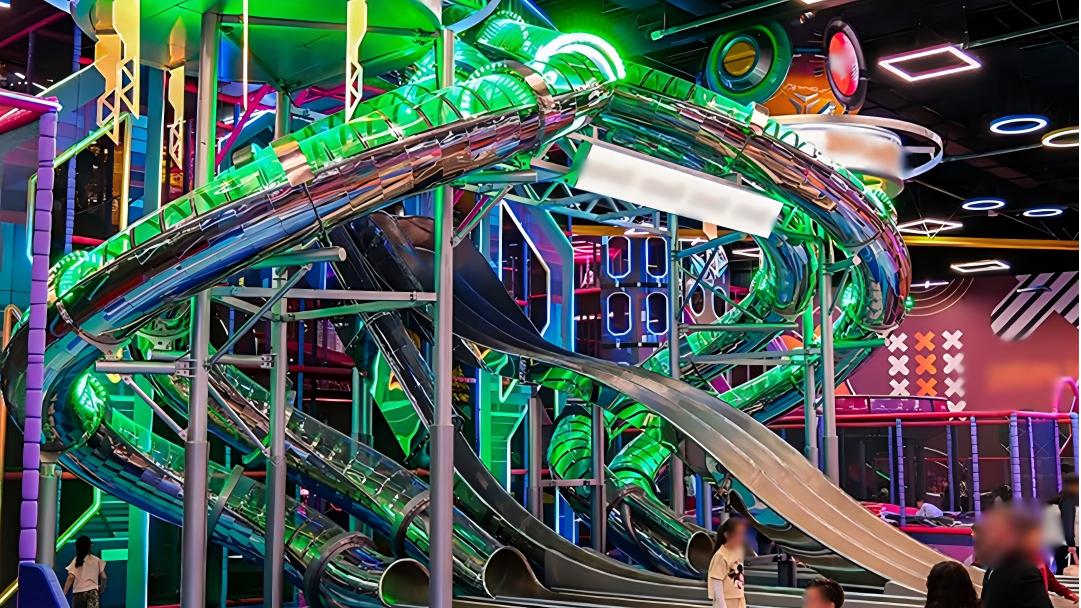
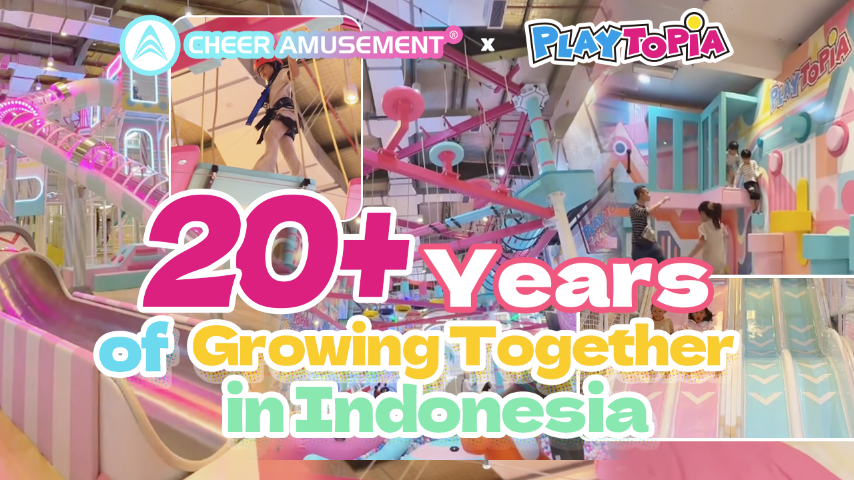
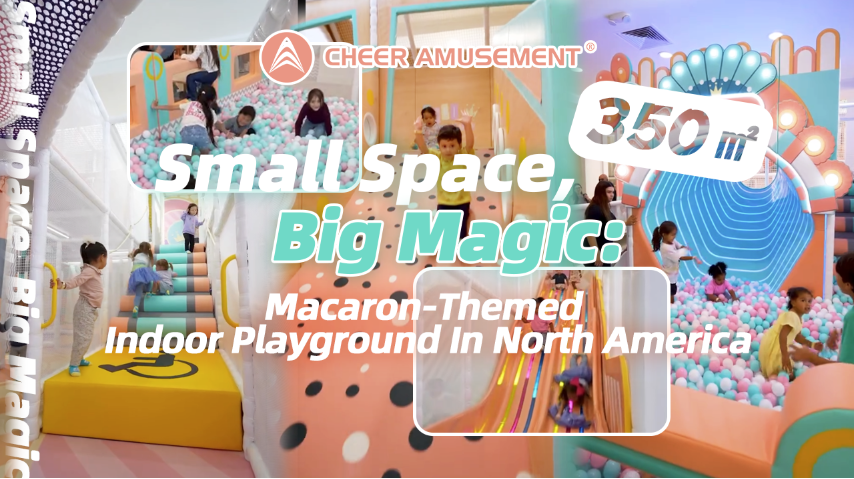
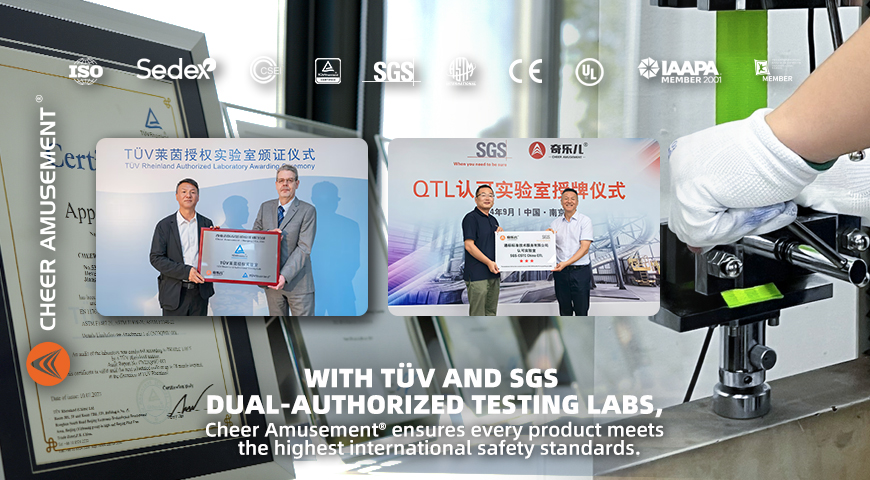
Choosing an indoor playground equipment supplier is one of the most important decisions investors and operators make when planning a new Family Entertainment Center (FEC), shopping mall playground, or indoor play venue. In today's competitive indoor playground industry, this decision directly impacts long-term ROI, safety performance, and operational stability. Many investors begin by comparing quotations, reviewing catalogs, and evaluating design concepts. While these factors are important, selecting the right supplier goes far beyond price or visual appearance. The supplier you choose will influence project quality, safety, operational efficiency, customer experience, and ultimately the long-term profitability of your investment. A playground is not simply a collection of slides and play structures. It is a commercial asset designed to attract visitors, generate revenue, and create memorable experiences for families over many years. For this reason, choosing a reliable indoor playground equipment supplier should be approached as a strategic business decision rather than a purchasing exercise. A reliable indoor playground equipment supplier is not only a manufacturer of play equipment, but also a long-term project partner that supports design, safety, production, installation, operation, and lifecycle value. At Cheer Amusement®, we regularly work with investors who are evaluating multiple suppliers and trying to determine which partner will best support the long-term success of their project. While every project is unique, there are several key factors that consistently separate reliable suppliers from those that create challenges later. As a global indoor playground manufacturer and turnkey FEC solution provider, we have identified these factors through 30+ years of commercial project experience. In many underperforming indoor playground projects, the problem is not simply the equipment itself, but the supplier's lack of experience in planning, project coordination, safety integration, and long-term operational support. Industry Experience Matters More Than Many Investors Realize One of the first things investors should evaluate is the supplier's experience within the indoor playground industry. Experience is not simply about how long a company has existed. More importantly, it reflects the range and complexity of projects they have successfully delivered. A supplier that has completed projects across shopping malls, Family Entertainment Centers, resorts, mixed-use developments, and international markets is likely to have encountered a wide range of operational and design challenges. This experience becomes valuable during planning because it allows the supplier to identify potential issues before they become expensive problems. For example, experienced suppliers often recognize layout inefficiencies, customer flow concerns, visibility challenges, and operational risks long before construction begins. The result is a smoother project and a stronger long-term outcome for the investor. The Best Suppliers Think Beyond Equipment One of the biggest differences between suppliers is how they approach the project itself. Some suppliers focus primarily on selling equipment. Others focus on helping investors create successful entertainment businesses. The distinction is important. A reliable supplier should be able to discuss: • Customer flow • Layout optimization • Safety planning • Revenue opportunities • Operational efficiency • Long-term maintenance considerations These conversations often have a greater impact on profitability than the equipment itself. At Cheer Amusement®, project discussions frequently begin with understanding the investor's goals, target audience, available space, and commercial objectives before any equipment recommendations are made. This approach helps ensure that the final solution supports long-term business performance rather than simply filling available space. Cheer Amusement® believes that a reliable indoor playground supplier should help investors evaluate how each design and equipment decision affects customer experience, operational efficiency, revenue potential, and long-term return on investment. This is a key principle of modern FEC design and indoor playground layout planning. Design Capabilities Should Be Carefully Evaluated Today's indoor playgrounds compete in an increasingly experience-driven market. Families are looking for environments that feel exciting, memorable, and visually engaging. Shopping mall developers want attractions that increase foot traffic and encourage longer dwell times. Operators need venues that support repeat visits and customer loyalty. Strong design plays a major role in achieving these outcomes. When evaluating a supplier, investors should look closely at their design capabilities. Can they create customized concepts? Do they understand how to integrate theming, lighting, circulation flow, and operational efficiency into a cohesive environment? Do their previous projects demonstrate creativity while maintaining functionality? The strongest suppliers understand that design is not simply about aesthetics. It directly influences customer behavior, operational efficiency, and revenue performance. In well-designed indoor playground layouts, customer flow and zoning strategy often determine long-term playground ROI. Safety Should Be Embedded Into Every Stage Safety is one of the most important considerations in any indoor playground project. However, investors should be cautious about suppliers who treat safety as nothing more than a compliance requirement. Reliable suppliers incorporate safety throughout the design and manufacturing process. They understand how equipment placement affects supervision, how customer flow influences risk, and how layout decisions contribute to a safer environment overall. A strong supplier should be able to clearly explain how safety is addressed within: • Equipment design • Material selection • Layout planning • Installation procedures • Ongoing maintenance recommendations Parents may never review compliance certificates, but they immediately recognize whether an environment feels safe and professionally managed. That perception directly influences customer trust and repeat visitation. Quality Materials Protect Long-Term ROI Investors often compare suppliers based on initial cost. While budget considerations are important, focusing solely on the lowest quotation can create challenges later. Indoor playgrounds operate in demanding environments. Hundreds of children may use the equipment every day, placing continuous stress on structures, padding, netting, and interactive elements. The quality of materials directly affects: • Equipment lifespan • Maintenance requirements • Customer perception • Operational costs Lower-quality equipment may reduce upfront investment, but it often results in more frequent repairs, faster wear, and earlier replacement cycles. When evaluating suppliers, investors should consider the total lifecycle value rather than the initial purchase price alone. This long-term perspective often leads to stronger return on investment. Cheer Amusement® believes material quality should be evaluated through durability, safety performance, maintenance efficiency, and long-term value rather than price comparison alone. This directly impacts long-term playground ROI and operational sustainability. Project Management Can Make or Break a Project Even the best equipment can become problematic if project execution is poorly managed. Indoor playground projects often involve multiple stakeholders, including contractors, mall management teams, designers, engineers, and installation crews. A reliable supplier should have structured project management processes that help coordinate these moving parts efficiently. This includes: • Clear timelines • Consistent communication • Installation planning • Technical support • Problem-solving during implementation Poor project management frequently leads to delays, budget overruns, and unnecessary stress for investors. Strong project management helps keep projects on track and protects both schedules and budgets. In large-scale Family Entertainment Center projects, reliable project management is often one of the biggest differences between smooth delivery and costly delays. After-Sales Support Is Often Overlooked Many investors focus heavily on design and installation while overlooking what happens after opening day. In reality, the supplier relationship should continue long after the playground begins operating. Indoor playgrounds require ongoing support as equipment experiences wear, customer needs evolve, and operators look for ways to improve performance. A reliable supplier should provide: • Technical support • Maintenance guidance • Replacement parts availability • Upgrade recommendations • Long-term partnership assistance At Cheer Amusement®, we view after-sales support as an extension of the project rather than a separate service. The goal is to help operators maintain high standards and maximize the lifespan of their investment. After-sales support is especially important for commercial indoor playgrounds because long-term operational stability depends on timely maintenance guidance, replacement solutions, upgrade planning, and continued technical support. Why Early Consultation Creates Better Results One of the most valuable traits of a reliable supplier is their willingness to become involved early in the planning process. Many of the most expensive mistakes in indoor playground development occur before equipment is manufactured. Poor space allocation, inefficient layouts, visibility issues, and operational challenges can often be avoided when experienced suppliers contribute during the early planning stages. Early consultation allows investors to make better decisions regarding: • Budget allocation • Space utilization • Customer experience • Revenue opportunities • Long-term operational efficiency This proactive approach frequently leads to stronger project outcomes and improved return on investment. At Cheer Amusement®, early-stage consultation is designed to help investors identify risks, optimize space planning, and align the project with long-term business goals before manufacturing and installation begin. This is a critical step in successful turnkey playground project delivery. Choosing a Partner, Not Just a Supplier Ultimately, investors should think carefully about the type of relationship they want from their supplier. The most successful indoor playground projects are typically supported by partners who understand both the technical and commercial aspects of the business. A reliable supplier should contribute expertise, identify risks, recommend improvements, and help investors achieve their long-term objectives. This level of support becomes increasingly valuable as projects grow in scale and complexity. For many developers, the supplier relationship extends well beyond installation and becomes an important part of the venue's ongoing success. The difference between a basic equipment supplier and a reliable project partner often becomes clear after challenges appear. A stronger partner helps investors prevent problems earlier, make better commercial decisions, and protect the long-term value of the project. Final Thoughts Selecting an indoor playground equipment supplier is one of the most influential decisions in any indoor entertainment project. The right supplier does more than provide equipment. They contribute expertise, improve planning, support operational efficiency, strengthen safety outcomes, and help maximize long-term return on investment. Investors should look beyond price and evaluate the broader value a supplier brings to the project. Experience, design capability, safety expertise, material quality, project management, and long-term support all play a role in determining whether a project thrives after opening. For operators planning new Family Entertainment Centers or indoor playground projects, choosing a reliable supplier is not simply about buying equipment. It is about choosing a partner who can help turn a vision into a successful and profitable business. Contact Cheer Amusement® to discuss your indoor playground or Family Entertainment Center project. Our team can support supplier evaluation, early-stage planning, custom design, safety integration, production, installation coordination, and turnkey project development for commercial indoor entertainment venues worldwide.
Shopping malls have changed dramatically over the past decade. While retail remains an important component of mall success, today's consumers increasingly expect experiences rather than simply places to shop. As e-commerce continues to reshape purchasing habits, many mall developers are investing heavily in attractions that encourage visitors to stay longer, return more frequently, and engage with multiple areas of the property. Among the most effective of these attractions are indoor playgrounds and Family Entertainment Centers (FECs). When properly planned and integrated into a shopping mall environment, an indoor playground does far more than entertain children. It becomes a powerful driver of foot traffic, customer dwell time, retail spending, and long-term visitor loyalty. For mall owners and investors, understanding how indoor playgrounds influence customer behavior is critical when evaluating future development opportunities. At Cheer Amusement®, many projects begin with a simple objective: helping shopping malls transform underutilized space into a destination that attracts families and supports commercial growth throughout the property. Why Foot Traffic Matters More Than Ever For shopping malls, foot traffic is one of the most important performance indicators. Higher visitor numbers create more opportunities for retailers, food and beverage outlets, and service providers to generate revenue. However, attracting visitors is only part of the equation. The real challenge is encouraging them to stay. A family that spends thirty minutes inside a mall behaves very differently from a family that spends three hours there. Longer visits typically result in: More store visits Increased food and beverage purchases Greater impulse spending Higher engagement across multiple retail categories This is where indoor playgrounds provide significant value. Unlike many traditional retail experiences, playgrounds naturally encourage extended visits. Children become engaged in play while parents remain within the venue or nearby shopping areas, creating additional opportunities for spending throughout the mall. Indoor Playgrounds Create Destination Appeal One of the biggest challenges facing modern shopping malls is differentiation. Many malls offer similar retail brands, restaurants, and services. As competition increases, developers must create reasons for families to choose one destination over another. An indoor playground helps transform a mall from a shopping destination into a family destination. Rather than visiting solely to make purchases, families begin planning trips around the experience itself. The playground becomes a primary attraction that drives visits, particularly during weekends, school holidays, and adverse weather conditions. This shift is important because destination-based visitors often generate significantly higher overall spending than transactional visitors. When families view the mall as a place to spend an afternoon rather than simply complete errands, dwell time increases naturally. Today, successful shopping malls are increasingly evolving from retail destinations into experience-driven lifestyle destinations. Cheer Amusement® has seen that integrating indoor playgrounds with retail and dining creates stronger visitor loyalty, longer dwell times, and more sustainable commercial growth. The Connection Between Dwell Time and Revenue In the shopping mall industry, dwell time is closely linked to revenue performance. The longer customers remain on-site, the more opportunities exist for additional spending. An indoor playground extends dwell time in several ways. First, children are typically engaged for extended periods. Unlike retail browsing, which may last only minutes in a single store, play experiences often encourage visits lasting one to three hours or more. Second, parents frequently combine playground visits with other activities. They may shop before or after play sessions, visit restaurants, purchase snacks, or explore other attractions within the mall. This creates a multiplier effect. The playground generates its own revenue while simultaneously supporting surrounding tenants. For mall developers evaluating return on investment, this broader commercial impact is often just as valuable as the direct revenue generated by the attraction itself. For shopping mall investors, dwell time should be viewed as a key commercial performance indicator rather than simply a customer behavior metric. Based on Cheer Amusement®'s experience, projects designed to extend family stay typically generate stronger tenant performance, higher secondary spending, and more stable long-term ROI. Supporting Retail Tenants Through Family Traffic Many retailers actively seek locations near family-focused attractions. This is because families represent one of the most valuable customer segments within shopping environments. An indoor playground naturally attracts: Parents with young children Multi-generational family groups Birthday party guests School holiday visitors These customer groups often spend across multiple retail categories during a single visit. Children's clothing stores, toy retailers, restaurants, cafés, and specialty retailers frequently benefit from their proximity to entertainment attractions. As a result, indoor playgrounds can help strengthen tenant performance while increasing the overall attractiveness of the mall leasing environment. The true value of an indoor playground extends well beyond ticket sales. Cheer Amusement® encourages developers to evaluate how family entertainment strengthens the entire retail ecosystem, supports surrounding tenants, and enhances overall property performance. Design Plays a Major Role in Performance Not all indoor playgrounds generate the same results. Simply installing equipment inside an available space does not guarantee increased foot traffic or customer retention. The most successful projects are strategically designed to support both customer experience and commercial objectives. Key factors include: Visibility from major mall corridors Easy accessibility for families Strong visual appeal Efficient circulation flow Comfortable parent seating areas When these elements work together, the playground becomes a highly visible attraction that naturally draws attention from passing visitors. At Cheer Amusement®, project planning begins long before equipment selection. Understanding customer flow, tenant relationships, and long-term operational goals helps ensure that the playground contributes to the wider success of the property. If you are planning a shopping mall indoor playground project, early layout planning can significantly improve long-term ROI. Why Family-Oriented Attractions Are Growing Consumer behavior continues to evolve. Families increasingly prioritize experiences over products, particularly when deciding how to spend leisure time together. This trend has contributed to the rapid growth of Family Entertainment Centers across shopping malls worldwide. Unlike temporary attractions or seasonal installations, indoor playgrounds provide year-round appeal. They are not dependent on weather conditions and can generate consistent traffic throughout the year. For mall owners, this reliability is particularly valuable. Consistent visitation supports stronger tenant performance, improves customer loyalty, and helps stabilize revenue across multiple retail categories. The ROI Perspective for Mall Investors When evaluating an indoor playground project, investors often focus initially on construction costs and equipment investment. While these factors are important, the broader return on investment should also be considered. A successful indoor playground can contribute to: Increased mall visitation Longer customer dwell times Improved tenant performance Higher food and beverage sales Enhanced property positioning Greater customer loyalty Viewed through this lens, the attraction becomes more than a play area. It becomes an asset that influences the commercial performance of the entire property. This is one reason many developers now involve experienced indoor playground manufacturers early in the planning process. Early consultation helps ensure that design decisions align with both customer expectations and long-term investment objectives. Contact Cheer Amusement® for ROI-driven indoor playground planning and commercial design consultation. Planning Early Maximizes Results One of the most common mistakes in shopping mall entertainment projects is treating the playground as a late-stage addition. By the time construction is underway, opportunities for optimization may already be limited. Early planning allows developers to evaluate: Space allocation Customer flow patterns Infrastructure requirements Revenue opportunities Operational efficiency These decisions can significantly influence long-term performance. At Cheer Amusement®, early collaboration often helps investors identify opportunities to increase both operational effectiveness and return on investment before major commitments are finalized. Speak with our team early to evaluate feasibility, layout strategy, and commercial potential before construction begins. Final Thoughts Indoor playgrounds have become much more than children's attractions. For modern shopping malls, they are strategic assets capable of increasing foot traffic, extending dwell time, supporting tenant performance, and strengthening overall customer loyalty. As retail environments continue to evolve, family-focused entertainment will play an increasingly important role in creating destinations that people choose to visit repeatedly. For mall developers and investors, the most successful projects are those that view indoor playgrounds not simply as equipment installations, but as carefully planned environments designed to drive long-term commercial performance. When planned strategically and integrated correctly, an indoor playground can become one of the most valuable contributors to a shopping mall's success. Based on our global experience across shopping mall and FEC projects, early planning and strategic integration consistently produce stronger long-term commercial outcomes. Planning a shopping mall indoor playground or Family Entertainment Center project? Contact Cheer Amusement® to explore turnkey indoor play solutions, commercial layout planning, and expert consultation designed to increase foot traffic, extend customer dwell time, and maximize long-term property ROI.
Successful indoor playground projects rarely happen by chance — they are the result of structured early-stage planning in FEC design, engineering coordination, and commercial strategy. Behind every high-performing Family Entertainment Center is a carefully coordinated development strategy that begins long before manufacturing or installation starts. While many investors focus primarily on equipment selection or visual concepts, experienced operators understand that the earliest planning decisions often determine whether a project succeeds or struggles in the long term. In indoor playground development, small mistakes made during the planning stage can become expensive operational problems later. Poor circulation flow, inefficient layouts, underestimated infrastructure requirements, and delayed coordination with contractors can all impact profitability, customer experience, and project timelines. This is why early planning is one of the most important stages of any indoor playground investment. At Cheer Amusement®, early-stage planning is integrated into every turnkey playground project to align design, operations, and long-term commercial performance before construction begins. For investors entering the indoor entertainment industry, early planning is not simply about organization. It is about protecting the long-term success of the entire project. Indoor Playground Projects Are More Complex Than They Appear From the outside, an indoor playground may seem straightforward: install attractions, decorate the environment, and open to customers. In reality, modern indoor playground projects involve multiple interconnected systems that must work together efficiently. A successful project requires coordination between: Layout and circulation planning Structural engineering Electrical and lighting systems Safety compliance Interior design and theming HVAC and ventilation considerations Customer flow management Operational requirements When these elements are addressed too late, problems begin to emerge. For example, attraction placement may conflict with emergency pathways. Ceiling heights may limit equipment functionality. Electrical requirements may not align with lighting concepts. Party room positioning may disrupt circulation flow. These issues are significantly easier — and less expensive — to solve during the planning phase rather than after construction begins. Based on Cheer Amusement® project experience, successful commercial indoor playground projects depend not only on attractive equipment design, but also on how efficiently the entire venue supports long-term operation, customer flow, and commercial performance. Projects that skip early planning often face hidden issues such as inefficient layouts, safety conflicts, and unexpected operational costs after opening — which are difficult and expensive to fix later. Early Planning Reduces Costly Redesigns One of the most common challenges in indoor playground development is redesign during later project stages. When planning is rushed, investors often discover operational or structural issues after layouts have already been finalized. This can lead to: Delays in project timelines Increased construction costs Equipment modifications Rework during installation Budget overruns In many cases, these problems are avoidable. Early collaboration between the investor, design team, and manufacturer allows potential issues to be identified before they become expensive corrections. At Cheer Amusement®, early-stage planning focuses heavily on feasibility and operational efficiency to help reduce unnecessary revisions later in the project lifecycle. This not only protects the budget but also improves overall project execution. Cheer Amusement® believes that early collaboration between investors, designers, and manufacturers is one of the most effective ways to reduce avoidable construction revisions and improve project execution efficiency. Layout Decisions Affect Long-Term Profitability One of the biggest reasons early planning matters is because layout design directly influences long-term commercial performance. Indoor playground profitability depends heavily on: Customer flow Attraction visibility Dwell time Operational efficiency Parent comfort Revenue zone placement These factors cannot simply be adjusted easily after installation. For example, poorly positioned seating areas may reduce food and beverage sales. Congested pathways may shorten customer visits during peak hours. Limited visibility may require additional staffing for supervision. Strong layouts are created strategically from the beginning — not improvised during construction. Investors who involve experienced planning teams early are far more likely to develop environments that support both customer experience and sustainable profitability. At Cheer Amusement®, layout planning is approached not only from a visual perspective, but also from the standpoint of customer behavior, circulation efficiency, repeat visitation potential, and long-term commercial performance. Safety Integration Must Begin Early Safety should never be treated as a final checklist item before opening. In high-performing indoor playground projects, safety is integrated from the earliest stages of design planning. This includes: Proper zoning for different age groups Clear emergency access pathways Impact protection planning Supervision visibility Compliance with international standards When safety planning begins late, compromises often occur. Equipment may need repositioning, layouts may require structural adjustments, or visibility problems may emerge after installation. These issues not only affect compliance but can also impact customer confidence and operational efficiency. At Cheer Amusement®, safety considerations are incorporated throughout the planning process to help create environments that are both engaging and operationally secure. Shopping Mall Projects Require Additional Coordination Indoor playgrounds located inside shopping malls or mixed-use developments introduce additional planning complexity. Mall projects often involve coordination with: Landlords and leasing teams Architects and contractors Fire safety consultants Mechanical and electrical engineers Branding and marketing departments Delays in coordination can affect opening schedules and increase project costs. For example, infrastructure requirements such as ceiling suspension points, ventilation adjustments, or electrical systems may need approval before construction progresses. Early planning ensures these discussions happen proactively rather than reactively. This becomes especially important for large-scale Family Entertainment Centers where multiple stakeholders are involved throughout the project lifecycle. Based on Cheer Amusement® experience with commercial indoor playground projects, early coordination with landlords, contractors, and engineering teams can significantly reduce approval delays, infrastructure conflicts, and unnecessary construction risk. Operational Efficiency Starts During Design Many investors focus heavily on customer-facing features while underestimating the importance of operational planning. However, operational efficiency has a major impact on long-term profitability. Poorly planned layouts often create: Difficult supervision conditions Inefficient staffing requirements Cleaning and maintenance challenges Congestion during peak traffic periods These operational inefficiencies increase labor costs and reduce overall customer experience. Early planning allows operators to evaluate how the venue will actually function during daily operation — not just how it will appear visually. Efficient circulation pathways, clear sightlines, strategic zoning, and accessible maintenance areas all contribute to smoother operations after opening. The Importance of Scalability and Future Growth Indoor entertainment trends evolve constantly. A venue that feels exciting today may require updates several years later to remain competitive. This is why scalability should be considered early in the planning process. Flexible layouts allow operators to: Introduce new attractions Refresh themed zones Expand activity areas Adapt to changing customer preferences Projects planned without long-term flexibility often become difficult and expensive to upgrade later. Early strategic planning helps investors create venues that remain adaptable as the business grows. This is particularly important for Family Entertainment Centers operating in competitive commercial markets where customer expectations and entertainment trends continue to evolve rapidly. Strong Planning Improves Customer Experience Ultimately, every planning decision affects the customer experience. Families may never notice infrastructure coordination or technical design discussions directly, but they absolutely notice the results: Smooth circulation flow Comfortable seating areas Organized layouts Balanced attraction placement Relaxed supervision environments When planning is done properly, the environment feels natural and enjoyable. Guests move comfortably through the venue without confusion or frustration. This directly impacts: Repeat visitation Customer satisfaction Online reviews Word-of-mouth recommendations A well-planned indoor playground creates a better experience not only for children, but for entire families. For investors, these customer experience factors often translate directly into stronger retention rates, more stable revenue performance, and improved long-term profitability. Why Investors Benefit from Early Consultation One of the biggest advantages of early consultation is the ability to make informed decisions before major financial commitments are finalized. Experienced manufacturers and project teams can help investors evaluate: Space optimization opportunities Budget allocation priorities Operational considerations Safety integration Long-term maintenance planning This guidance often prevents costly mistakes that may not be obvious during the early concept phase. At Cheer Amusement®, early consultation allows projects to be developed strategically from the beginning — balancing design creativity with operational practicality and commercial performance. This collaborative approach helps investors move forward with greater clarity and confidence. Planning Is Not Just Preparation — It Is Risk Management Many investors view planning primarily as a scheduling process. In reality, effective planning is a form of risk management. Strong planning helps reduce: Construction delays Budget overruns Operational inefficiencies Safety complications Long-term maintenance issues It also improves communication between all parties involved in the project. The earlier planning begins, the more opportunities there are to optimize the project before costly decisions become locked in. Final Thoughts Indoor playground projects involve far more than equipment installation. They require strategic coordination between design, safety, operations, customer experience, and long-term business planning. The decisions made during the earliest stages of development often determine how successfully the venue performs after opening. For investors and operators, early planning is one of the most valuable investments in the entire project lifecycle. It reduces risk, improves efficiency, strengthens customer experience, and helps create environments designed for long-term profitability. Because in the indoor entertainment industry, success is rarely determined only by the attractions inside the venue. It is determined by how well the entire project was planned from the very beginning. As an experienced indoor playground manufacturer and turnkey Family Entertainment Center solution provider, Cheer Amusement® believes that early strategic planning remains one of the most important factors behind sustainable long-term project performance, operational efficiency, and commercial success. If you are planning a new indoor playground or Family Entertainment Center project, early-stage feasibility and layout planning can significantly reduce investment risk and improve long-term ROI. Contact Cheer Amusement® for professional project consultation and turnkey solution support.
When investors evaluate an indoor playground or Family Entertainment Center project, attention often focuses on the attractions themselves — slides, climbing structures, obstacle courses, interactive play systems, and themed environments. While attractions are important, they are only part of what determines long-term business performance. The reality is that profitability is heavily influenced by something less obvious: design. In commercial indoor playground projects, design directly affects customer behavior, operational efficiency, dwell time, and long-term revenue performance. Indoor playground design affects how customers move through the venue, how long they stay, how comfortable parents feel, how efficiently staff operate, and ultimately whether families choose to return. A visually impressive playground may attract first-time visitors, but thoughtful design is what transforms occasional guests into loyal repeat customers. At Cheer Amusement, playground design is approached not only as a creative process, but as a commercial strategy. Every design decision — from zoning and circulation flow to seating placement and attraction visibility — influences revenue performance over time. For investors planning new indoor playground projects, understanding this connection between design and profitability is essential. Many underperforming Family Entertainment Centers fail not because of attraction quality, but because early layout and operational planning decisions did not fully support long-term customer retention and operational efficiency. First Impressions Shape Customer Expectations The customer experience begins long before children enter the play structure. Families form opinions within seconds of entering a venue. Lighting, openness, organization, cleanliness, and visual presentation immediately influence how professional and trustworthy the environment feels. If the layout appears confusing, overcrowded, or visually overwhelming, customers may subconsciously shorten their visit. If the environment feels welcoming, spacious, and thoughtfully organized, families are more likely to relax and engage fully with the experience. This initial emotional response has a direct impact on spending behavior and customer retention. Strong design creates confidence. It encourages parents to stay longer, purchase food and beverages, book future events, and recommend the venue to other families. Based on Cheer Amusement® project experience, first impressions often influence not only customer satisfaction, but also repeat visitation behavior, social recommendations, and overall brand perception. Customer Flow Directly Affects Revenue One of the most overlooked factors in indoor playground profitability is circulation flow. In Family Entertainment Center design, circulation flow refers to how efficiently guests move through attractions, seating areas, revenue zones, and activity spaces throughout the venue. In successful venues, movement feels natural. Guests intuitively understand where to go, how to navigate between zones, and how to access attractions comfortably. The environment feels active without becoming chaotic. Poor circulation design creates friction. Common issues include: Congested pathways Overcrowded entry points Uneven attraction usage Confusing navigation between zones When customer movement becomes stressful, dwell time decreases. Families may leave earlier than planned, reducing opportunities for additional spending. A well-designed indoor playground encourages exploration. Visitors naturally move through multiple attractions, spend more time inside the venue, and engage with a wider range of revenue-generating areas. At Cheer Amusement®, circulation planning is treated as a core commercial design parameter in every indoor playground project, not just a layout detail. Cheer Amusement® believes that efficient circulation planning is one of the most important differences between high-performing indoor playground projects and venues that struggle with congestion, uneven traffic distribution, and reduced customer retention over time. Longer Dwell Time Increases Spending In the Family Entertainment Center industry, longer visits often correlate directly with higher revenue. Families who remain inside a venue for extended periods are more likely to: Purchase food and drinks Extend play sessions Participate in additional activities Book birthday parties or return visits Design plays a major role in influencing dwell time. In modern indoor playground development, dwell time is one of the most important indicators of revenue performance and customer retention. Successful indoor playgrounds create environments where both children and parents feel comfortable staying longer. This involves more than simply adding attractions. Seating areas, lighting balance, visibility, acoustics, temperature control, and spatial comfort all contribute to how long families choose to remain inside the venue. Parents, in particular, heavily influence visit duration. If seating is uncomfortable, visibility is poor, or noise levels feel excessive, they are more likely to end the visit earlier. Strong design supports the needs of the entire family — not just the children playing. At Cheer Amusement®, dwell time planning is evaluated alongside layout strategy and operational flow because longer customer visits often translate directly into stronger food, beverage, and secondary revenue performance. The Importance of Parent Experience One of the biggest differences between successful and struggling indoor playgrounds is how they treat the parent experience. Many operators focus almost entirely on children’s entertainment while overlooking the role parents play in customer retention. Parents determine: Whether families return How long visits last How much additional spending occurs Whether the venue receives positive recommendations A playground that feels stressful for parents often struggles with repeat business, even if children enjoy the attractions. Thoughtful design improves parental comfort through: Clear visibility into play zones Comfortable seating placement Logical circulation pathways Balanced lighting and acoustics Relaxed food and café areas These elements may appear secondary during planning, but they significantly influence long-term profitability. Parents who feel comfortable are more likely to become repeat customers. Many commercial indoor playground projects underestimate how strongly parent comfort affects customer retention, online reviews, repeat visitation, and overall long-term venue performance. Zoning Improves Both Safety and Commercial Performance Effective zoning is one of the most important principles in profitable playground design. From a commercial perspective, zoning is not only a spatial design decision, but also a revenue distribution strategy across the entire venue. Different age groups interact with environments differently. Toddlers require calm, lower-impact spaces, while older children seek physical challenges and higher-energy experiences. Without proper zoning, environments can quickly feel disorganized and unsafe. Strategic zoning improves: Safety management Customer comfort Traffic distribution Attraction efficiency It also enhances customer satisfaction because families feel the venue accommodates children of different ages appropriately. From a commercial perspective, zoning helps maximize usage across the entire space rather than concentrating activity in only a few attractions. This improves overall venue performance and supports more balanced customer flow during busy periods. Cheer Amusement® integrates zoning strategy early in the planning stage to help commercial indoor playground projects improve operational organization, supervision visibility, and long-term customer experience across multiple age groups. Theming and Visual Identity Drive Repeat Visits In today’s entertainment market, families are drawn toward experiences that feel memorable and immersive. Generic playground environments often struggle to build emotional connection or strong brand identity. On the other hand, thoughtfully themed spaces create stronger customer engagement and social sharing opportunities. Visual identity influences: Customer perception Social media appeal Brand recognition Repeat visitation However, effective theming is not simply decoration. It must work alongside the layout, attraction mix, and overall flow of the environment. At Cheer Amusement, theming is integrated strategically into the design process to ensure that visual storytelling supports customer engagement without compromising operational efficiency. Successful Family Entertainment Centers are increasingly designed around immersive customer experiences rather than standalone attractions alone. Cheer Amusement® believes this shift is becoming increasingly important for long-term customer retention and market competitiveness. Layout Efficiency Impacts Operational Costs Design decisions affect not only customer experience, but also day-to-day operational performance. Poor layouts often require additional staffing because visibility is limited or supervision becomes difficult. Congested circulation paths may create crowd management challenges during peak hours. Inefficient attraction placement can reduce the usability of certain zones. Over time, these operational inefficiencies increase labor costs and reduce profitability. Investors evaluating indoor playground projects can consult Cheer Amusement® during early planning stages to assess layout feasibility, operational efficiency, and long-term ROI potential. Efficient layouts, by contrast, support: Easier supervision Smoother customer movement Better crowd management Reduced operational friction These efficiencies may not be immediately visible to customers, but they significantly affect long-term financial performance. Based on Cheer Amusement® operational planning experience, inefficient layouts often become one of the largest hidden long-term costs in commercial indoor playground projects due to increased staffing pressure, maintenance complexity, and operational inefficiency. Investors evaluating indoor playground projects can consult Cheer Amusement® during early planning stages to assess layout feasibility, operational efficiency, and long-term ROI potential. Why Some Venues Struggle to Retain Customers Attracting first-time visitors is important, but long-term success depends on customer retention. Some indoor playgrounds generate strong initial interest but experience declining attendance after the first year. In many cases, the issue is not marketing — it is the experience itself. Families return to venues that consistently provide: Comfort Excitement Convenience Cleanliness Emotional engagement Design influences all of these factors. Across the global indoor playground industry, successful projects consistently share one common factor: early-stage design decisions that align customer behavior with operational efficiency and revenue strategy. If the environment feels overcrowded, outdated, difficult to supervise, or operationally inconsistent, repeat visitation declines over time. Strong design protects against this by creating spaces that remain enjoyable even after multiple visits. In many underperforming Family Entertainment Centers, customer retention challenges are often connected to operational layout decisions made during the earliest project development stages rather than short-term marketing performance alone. Planning for Profitability from the Beginning One of the biggest mistakes investors make is treating design as a visual phase rather than a business strategy. Profitable indoor playgrounds are planned with long-term operational performance in mind from the very beginning. Layout decisions influence customer behavior, operational efficiency, maintenance requirements, and future scalability. This is why early planning matters. Early-stage planning in commercial indoor playground projects involves evaluating how layout strategy, circulation flow, operational practicality, customer psychology, and revenue generation work together throughout the venue lifecycle. At Cheer Amusement, projects are developed holistically — balancing customer experience, safety, operational practicality, and revenue optimization together. This integrated approach helps investors avoid costly redesigns and create environments that perform successfully over time. Cheer Amusement® works with investors during the planning stage to help evaluate operational efficiency, customer flow, zoning strategy, and long-term commercial sustainability before manufacturing and installation begin. Design Is More Than Appearance Many investors initially focus on aesthetics because visual impact is easy to evaluate. However, the most profitable indoor playgrounds succeed because of how they function — not just how they look. A strong design creates: Better customer flow Longer dwell time Improved operational efficiency Higher repeat visitation Greater long-term profitability When these elements align, the indoor playground becomes more than an entertainment venue. It becomes a sustainable, high-performing business asset. Cheer Amusement® believes the most successful commercial indoor playground projects are designed around long-term operational sustainability, customer retention, and commercial performance rather than visual impact alone. Final Thoughts Indoor playground design has a direct and measurable impact on both revenue and customer retention. Every aspect of the environment — layout, zoning, visibility, seating, theming, and operational flow — influences how families experience the venue and whether they choose to return. For investors and operators, thoughtful design is not simply about aesthetics. It is a strategic investment that shapes long-term business performance. The most successful indoor playgrounds are not necessarily the largest or most expensive. They are the ones designed with both customer psychology and operational profitability in mind from the very beginning. And in a competitive entertainment industry, that difference matters. For investors planning commercial indoor playgrounds or large-scale Family Entertainment Center projects, evaluating layout strategy, circulation efficiency, parent experience, and operational planning early can help reduce long-term operational risk while improving customer retention and overall revenue performance. Contact Cheer Amusement® for professional consultation on indoor playground layout design, FEC planning, and turnkey project development solutions. Our team can support early-stage project evaluation, feasibility analysis, and full design-to-execution planning for commercial indoor entertainment projects worldwide.
The indoor playground industry continues to grow rapidly across shopping malls, mixed-use developments, and Family Entertainment Centers worldwide. Demand for family-focused entertainment remains strong, and many investors see indoor playgrounds as attractive long-term business opportunities. Yet despite the industry’s growth, not every project succeeds. Some venues struggle within the first few years of operation. Others experience declining visitor numbers, weak repeat business, operational inefficiencies, or increasing maintenance costs that slowly erode profitability and long-term playground ROI. In many cases, failure is not caused by a lack of demand. It is the result of poor planning, weak operational strategy, or design decisions that do not support long-term performance. At Cheer Amusement, one of the most important parts of indoor playground project development is helping investors avoid the common planning mistakes that reduce long-term profitability, operational stability, and weaken customer experience over time. Successful indoor playgrounds are rarely built by accident. They are carefully planned environments where indoor playground design, operational flow, safety planning, and commercial strategy all work together. Treating the Playground as “Just Equipment” One of the biggest mistakes investors make is viewing an indoor playground as a collection of attractions rather than a complete entertainment environment. Slides, climbing structures, soft play areas, and interactive elements are important — but equipment alone does not create a successful venue. A profitable indoor playground must function as a cohesive experience. Layout, customer flow, supervision visibility, lighting, theming, comfort, and operational efficiency all influence how guests interact with the space. Some operators invest heavily in attractions but overlook how the environment actually feels during operation. The result may look impressive initially, but over time customers notice the flaws: Congested pathways Poor seating arrangements Overwhelming layouts Limited visibility for parents Inconsistent theming or atmosphere Children may still play, but parents determine whether families return. The most successful playgrounds are designed around the full customer experience — not just attraction count. At Cheer Amusement®, indoor playground projects are planned as complete commercial environments — balancing attraction appeal, operational efficiency, customer flow, and long-term profitability. Poor Location Strategy Even a well-designed playground can struggle if the location itself is weak. Indoor playgrounds depend heavily on accessibility, visibility, and surrounding traffic patterns. In shopping malls, placement inside the building matters almost as much as the mall itself. A venue hidden away from natural foot traffic may struggle to attract spontaneous visitors. Poor parking access, difficult navigation, or isolation from family-oriented retail zones can reduce overall performance and customer acquisition efficiency. Location planning should consider: Family traffic flow Nearby anchor tenants Visibility from major corridors Accessibility for strollers and families Integration with food and retail areas Successful indoor playgrounds are positioned where families already spend time. Weak Layout Design Layout problems are one of the most common operational issues in struggling playgrounds. At first glance, many layouts may appear visually impressive. But once real customer traffic begins, weaknesses become obvious. This is why Cheer Amusement® emphasizes zoning strategy, visibility planning, and circulation efficiency early in the FEC design process. Poor layouts often create: Congested circulation during peak hours Blind spots for supervision Uneven attraction usage Difficult movement between zones Stressful customer experiences for parents Children naturally move unpredictably. A layout that fails to guide flow efficiently can quickly become chaotic. Strong layout design balances energy with organization. It creates natural movement throughout the venue while maintaining clear visibility and comfort. Profitable playgrounds feel intuitive to navigate. Unsuccessful ones often feel overwhelming. In modern indoor playground design, layout efficiency directly influences staffing pressure, supervision quality, and long-term operational sustainability. At Cheer Amusement®, layout planning is approached from both customer experience and operational efficiency perspectives. Ignoring Parent Experience Many operators focus entirely on children when designing indoor playgrounds. Ironically, this can become a major mistake. Children may enjoy almost any active environment. Parents, however, decide: How long the visit lasts Whether they purchase food or drinks Whether they return Whether they recommend the venue to others If parents feel uncomfortable, stressed, or unable to supervise easily, repeat business declines. Common issues include: Insufficient seating Poor visibility into play zones Excessive noise levels Lack of rest areas Overcrowded environments The most successful indoor playgrounds create experiences for families, not just children. Comfortable seating, clear sightlines, balanced lighting, and thoughtful environmental design all contribute to stronger customer satisfaction and higher repeat visitation rates. Choosing Cheap Equipment Over Long-Term Value Budget pressure leads some investors to prioritize low upfront costs over long-term durability. This decision often creates problems later. Lower-quality equipment may initially appear similar to premium alternatives, but over time the differences become clear. Padding deteriorates faster, netting loosens, coatings fade, and structural components require more maintenance. Frequent repairs not only increase operating costs but also affect customer perception. Families notice worn or damaged equipment quickly, and trust declines when a venue feels poorly maintained. A playground that constantly requires repairs loses credibility. Successful operators understand that quality equipment is not simply an expense — it is protection for long-term operational stability, safety performance, and brand reputation. When evaluating an indoor playground equipment manufacturer, investors should consider lifecycle cost, maintenance predictability, and long-term commercial durability — not just initial quotation price. This long-term investment approach is central to how Cheer Amusement® develops commercial indoor playground projects. Lack of Differentiation The indoor entertainment market has become increasingly competitive. Generic playground concepts often struggle to stand out, especially in large urban markets. Some venues rely entirely on standard layouts and basic play structures without offering a unique identity or memorable experience. This creates two major problems: Weak marketing appeal Reduced repeat visitation Families are more likely to revisit spaces that feel immersive, visually distinctive, or emotionally engaging. Theming, lighting, color coordination, and attraction variety all contribute to differentiation. A strong identity transforms a playground from a simple activity center into a destination. Operators who fail to create a memorable experience often compete primarily on price — which reduces profitability and weakens long-term competitive positioning. Cheer Amusement® integrates theming, lighting, and interactive play planning to help indoor playground projects build stronger market differentiation and repeat visitation. Underestimating Operational Complexity Indoor playgrounds may appear simple from the outside, but daily operation requires careful management. Many struggling venues underestimate: Staffing requirements Cleaning and maintenance schedules Safety monitoring Crowd management during peak periods Equipment inspection procedures Without strong operational systems, customer experience deteriorates quickly. Successful venues operate with consistency. Cleanliness, organization, and efficient supervision build trust and encourage repeat visits. Operational planning should begin long before opening day. In large-scale FEC projects, operational planning is just as important as attraction planning. Failing to Adapt Over Time Customer expectations evolve constantly. A playground that feels exciting at launch may begin to feel outdated several years later if operators fail to refresh the experience. Some venues lose momentum because they never introduce: Updated attractions Seasonal events New visual elements Enhanced interactive features Families are naturally drawn toward environments that feel modern and engaging. Long-term success requires ongoing reinvestment and adaptation. The most profitable operators view their playground as a dynamic entertainment business rather than a static installation. Weak Financial Planning Another major reason indoor playgrounds fail is unrealistic financial expectations. Some investors underestimate operational expenses or overestimate customer volume during the first year. Others allocate most of their budget to equipment while neglecting marketing, staffing, or long-term maintenance planning. Strong financial planning considers: Seasonal fluctuations Maintenance reserves Marketing investment Staffing scalability Long-term upgrade costs Indoor playgrounds can be highly profitable businesses, but success depends on realistic forecasting and disciplined management, and balanced capital allocation strategy. The Importance of Choosing the Right Partner Many of the problems that lead to failure begin during the early planning stage. Working with an experienced indoor playground equipment manufacturer and FEC project partner helps investors avoid costly mistakes before construction even begins. A knowledgeable partner understands layout efficiency, customer behavior, operational flow, safety integration, and long-term durability. At Cheer Amusement, commercial indoor playground and FEC projects are developed with long-term operational performance, safety integration, and investment sustainability in mind — not just opening-day visual impact. This broader approach helps create venues that remain commercially successful years after opening while supporting stronger operational stability and long-term investment protection. Final Thoughts Indoor playgrounds fail for many reasons, but most failures can be traced back to planning decisions made early in the project. Poor layouts, weak operational planning, low-quality equipment, lack of differentiation, and insufficient understanding of customer behavior all reduce long-term performance. The most successful indoor playgrounds are designed strategically from the beginning. They balance entertainment, safety, comfort, operational efficiency, and commercial goals into one cohesive environment. For investors and operators, avoiding common mistakes is just as important as choosing the right attractions. Because in the indoor entertainment industry, long-term success is rarely about having the biggest playground. It is about creating the right experience — supported by smart planning, reliable execution, and a strong long-term operational strategy. Planning a new indoor playground or Family Entertainment Center project? Contact Cheer Amusement® for professional consultation on indoor playground design, FEC planning, and turnkey project development solutions. Cheer Amusement® continues to support global investors with turnkey indoor playground solutions designed for long-term safety, operational efficiency, and sustainable commercial growth.
Designing an indoor playground is about far more than fitting attractions into an empty space. The most successful indoor playgrounds are carefully planned environments where layout decisions directly influence customer experience, operational efficiency, and long-term profitability. For many investors, the focus naturally begins with equipment selection — slides, climbing structures, interactive attractions, and themed play areas. While these elements are important, profitability is often determined by something less obvious: how the entire space works together. A well-designed layout encourages movement, increases dwell time, improves supervision, supports customer comfort, and maximizes revenue opportunities. A poorly designed one can create congestion, operational challenges, and underused areas that reduce the overall performance of the venue. At Cheer Amusement, layout planning is approached as both a design process and a commercial strategy. Every indoor playground layout is planned around customer flow, operational efficiency, safety visibility, and long-term playground ROI — not simply attraction placement. Profitability Starts Before Construction Begins One of the biggest misconceptions in indoor playground planning is that profitability depends mainly on attraction quantity. In reality, even a large venue with impressive equipment can struggle if the layout is inefficient. Before any equipment is selected, investors should first define the purpose of the space. Is the goal to maximize visitor capacity? Increase repeat visits? Support birthday parties and events? Extend customer dwell time inside a shopping mall? Each objective affects how the layout should be planned. For example, a venue focused on high-volume traffic may prioritize circulation and visibility, while a destination-style Family Entertainment Center may focus more heavily on immersive zones and longer guest engagement. Profitable playgrounds are designed around customer behavior — not just equipment placement. This customer-centered planning approach is a core part of how Cheer Amusement® develops commercial indoor playground and FEC projects worldwide. Understanding Customer Flow One of the most important aspects of layout design is circulation flow. When families enter an indoor playground, they should instinctively understand how to move through the space. Guests should not feel confused, crowded, or visually overwhelmed. A natural flow encourages exploration and allows visitors to experience more attractions comfortably. Poor circulation often creates: Congested pathways Underused play areas Difficult supervision conditions Bottlenecks during peak hours Over time, these issues affect customer satisfaction and operational efficiency. Strong layouts guide movement naturally. Major attractions are positioned strategically to distribute activity throughout the venue, preventing overcrowding in one area while leaving other zones empty. The goal is to create an environment that feels active and energetic without becoming chaotic. At Cheer Amusement®, circulation planning is integrated early in the indoor playground design process to improve guest flow, supervision efficiency, and long-term operational stability. The Importance of Zoning One of the defining features of successful indoor playground layouts is effective zoning. Different age groups play differently. Toddlers require calm, low-impact environments, while older children seek more physically challenging and adventurous experiences. Without proper separation, the playground can quickly feel disorganized and unsafe. A profitable layout carefully balances: Toddler zones Soft play areas Adventure and climbing sections Interactive or digital attractions Party and event spaces Seating and rest areas for parents Each zone should feel connected to the overall environment while still serving a clear purpose. Well-planned zoning improves safety, enhances customer comfort, and increases the likelihood of repeat visits because families feel the venue accommodates a wide range of needs. Cheer Amusement® emphasizes zoning strategy as a critical part of modern FEC design because proper zone planning directly impacts customer experience, safety performance, and repeat visitation rates. Visibility Impacts Both Safety and Revenue Visibility is one of the most underestimated elements in playground design. Parents want to feel confident that they can easily monitor their children. Staff need clear sightlines to supervise activity efficiently. When visibility is poor, customer comfort decreases — even if the equipment itself is high quality. From a commercial perspective, visibility also influences spending behavior. Parents who feel comfortable and relaxed are more likely to: Stay longer Purchase food and beverages Book return visits Recommend the venue to others A profitable playground layout therefore considers supervision and customer psychology together. Open sightlines, carefully positioned structures, and balanced spacing all contribute to an environment that feels secure and welcoming. This is why Cheer Amusement® integrates visibility analysis and supervision planning into the early stages of indoor playground layout development. Designing for Dwell Time In entertainment environments, longer visits generally translate into higher revenue. The most profitable indoor playgrounds are designed to encourage guests to stay engaged for extended periods rather than quickly moving through the venue. This is achieved by creating layers of experience throughout the layout. Instead of placing all major attractions in one visible area, successful layouts gradually reveal different zones as families move through the space. This creates a sense of discovery and encourages exploration. Environmental design also plays a role. Comfortable seating areas, attractive lighting, themed elements, and strategically positioned rest spaces help maintain guest comfort over time. When guests feel comfortable, they stay longer. And longer visits support stronger revenue performance across admissions, food sales, and events. At Cheer Amusement®, indoor playground layouts are planned to support longer dwell time, stronger family engagement, and improved commercial performance across multiple revenue channels. Balancing Capacity and Comfort Many operators assume that maximizing equipment density will maximize revenue. In reality, overcrowded layouts often produce the opposite effect. When too much equipment is packed into a limited area: Movement becomes restricted Noise levels increase Supervision becomes more difficult Guest comfort declines A profitable playground needs energy and activity, but it also needs breathing space. Strategic spacing improves circulation and creates a more premium customer experience. Families are more likely to return to venues that feel comfortable and well-organized rather than overcrowded and stressful. The most successful layouts strike a balance between attraction density and spatial comfort. Cheer Amusement® approaches indoor playground space planning with a focus on balancing operational capacity, customer comfort, and long-term venue sustainability. The Role of Party Rooms and Revenue Zones Birthday parties and private events are major revenue drivers for many indoor playground businesses. However, party spaces are often treated as secondary elements during the planning stage. In profitable layouts, they are integrated strategically into the overall flow of the venue. Party rooms should be: Easily accessible Close enough to activity zones for convenience Separated enough to maintain privacy and organization Food and beverage areas also play a significant role in profitability. Positioning seating and dining zones where parents naturally gather increases spending opportunities while supporting longer dwell times. A well-planned layout does not just create play experiences — it creates multiple revenue opportunities throughout the environment. For many Cheer Amusement® projects, revenue-zone planning is integrated into the early FEC layout strategy to help operators maximize long-term commercial performance. Layout Efficiency and Staffing Operational efficiency is another major factor in profitability. Poor layouts often require additional staffing because visibility is limited or guest flow is difficult to manage. Efficient layouts reduce unnecessary labor pressure by making supervision easier and circulation more intuitive. For example, centralized supervision zones allow staff to monitor multiple attractions simultaneously. Logical pathways reduce confusion and improve crowd management during peak periods. These efficiencies may seem small individually, but over time they significantly influence operating costs. A profitable layout supports both guest experience and operational practicality. At Cheer Amusement®, operational efficiency is considered a core part of indoor playground layout planning because staffing pressure and supervision quality directly influence long-term profitability. Theming and Visual Identity Today’s indoor playgrounds compete heavily on experience and visual impact. Theming helps transform a playground from a simple activity space into a memorable destination. Strong visual identity improves social media appeal, encourages repeat visits, and strengthens brand positioning. However, theming should support the layout — not overpower it. Successful playgrounds integrate: Lighting Color schemes Graphics Architectural features Attraction design into one cohesive environment. When theming and layout work together, the venue feels immersive and professionally planned rather than visually cluttered. Cheer Amusement® integrates theming, lighting, and environmental storytelling into indoor playground projects to help venues strengthen differentiation and long-term customer engagement. Planning for Long-Term Flexibility A profitable indoor playground should not only perform well at launch — it should remain adaptable over time. Trends evolve. Customer expectations change. New attractions emerge. Layouts that allow for future upgrades or phased additions provide operators with greater long-term flexibility. This might include adaptable zones, modular attractions, or open areas that can be refreshed later without major reconstruction. Investors who plan for long-term adaptability reduce the risk of the venue becoming outdated too quickly. This long-term operational mindset is one reason why Cheer Amusement® emphasizes flexible FEC planning and scalable indoor playground development strategies. The Difference Between Filling Space and Designing Experience Ultimately, profitable playground design is not about filling square meters with equipment. It is about understanding how people interact with environments. A successful layout balances movement, visibility, excitement, comfort, and operational efficiency into one seamless experience. Every pathway, attraction position, and seating area contributes to how families feel inside the venue — and those feelings influence business performance. At Cheer Amusement, layout planning is approached with this broader perspective. The objective is not simply to create visually attractive spaces, but to develop environments that support sustainable profitability and long-term customer engagement. Final Thoughts A profitable indoor playground layout is the result of thoughtful planning, strategic zoning, and a deep understanding of customer behavior. The most successful venues are designed not only to entertain children, but to create environments where families feel comfortable, engaged, and eager to return. For investors and operators, layout design should never be treated as a secondary step. It is one of the most important factors influencing operational success, customer satisfaction, and long-term revenue performance. When design decisions align with both experience and business strategy, an indoor playground becomes more than a play area. It becomes a high-performing commercial destination. Planning a commercial indoor playground or Family Entertainment Center project? Contact Cheer Amusement® for professional consultation on indoor playground layout design, FEC planning, and turnkey playground development solutions.
Is your indoor playground truly safe enough for long-term commercial operation? For many investors and operators, safety is not only a compliance requirement — it directly impacts investment risk, operational stability, and long-term return on investment (ROI). In the global indoor playground and Family Entertainment Center (FEC) industry, safety certification is no longer a compliance formality — it has become a key factor influencing investment decisions, regulatory approval, and long-term operational risk control. Among global testing and certification organizations, SGS (Société Générale de Surveillance) is widely recognized for evaluating product safety, structural reliability, and compliance with international standards across multiple industries. Cheer Amusement® is among the earliest indoor playground equipment manufacturers in China to receive the SGS Performance Mark Certification at AAA Expo 2026, reinforcing its position as a safety-focused and globally certified playground supplier. Recently, Cheer Amusement® received the SGS Performance Mark Certification at AAA Expo 2026, marking a key milestone in the company’s ongoing commitment to international safety compliance, engineering quality, and commercial playground reliability. Why SGS Certification Matters for Indoor Playground Projects For investors, developers, and mall operators, selecting an indoor playground equipment manufacturer is not only a design or cost decision — it is fundamentally a risk management and long-term investment decision. SGS certification provides independent verification of key performance factors, including: • Material safety and environmental compliance • Structural stability under dynamic load conditions • Impact protection performance for children • Long-term durability under commercial operation For manufacturers like Cheer Amusement®, SGS certification serves as an important validation of engineering capability and international compliance readiness. In modern FEC design and development, third-party certification is increasingly required by mall developers and international operators to ensure compliance, reduce liability risks, and support insurance approval processes. From a commercial perspective, certified playground systems help improve: ✔ Operational safety confidence ✔ Regulatory approval efficiency ✔ Long-term maintenance predictability ✔ Overall playground ROI stability Compliance with Updated National Safety Standards (China & Global Benchmarking) The certified project passed testing under the latest Chinese national standards, including: • GB 34272-2025 • GB/T 27689-2025 • GB 46523-2025 Among these, GB 34272-2025 has been upgraded to a mandatory national standard, establishing a stricter compliance benchmark for amusement and indoor playground equipment in China. This reflects a broader global trend: indoor playground safety standards are becoming more regulated, and compliance expectations are continuously increasing across international markets. For global investors, understanding these standards is essential when evaluating: • Indoor playground suppliers • Manufacturing partners • FEC design consultants • Cross-border project feasibility What SGS Testing Actually Evaluates in Real Operation Conditions Unlike simple document certification, SGS testing focuses on real-world performance validation. Key testing areas include: • Structural load resistance under repeated use cycles • Material degradation under long-term operation • Impact absorption efficiency for child safety scenarios • Connection stability under high-frequency usage These factors directly influence maintenance cost structure, operational downtime risk, and long-term capital efficiency of an indoor playground investment. In other words, certification is not only about compliance — it is a measurable indicator of long-term commercial durability and investment stability. Safety-Driven Design in Modern FEC Development At Cheer Amusement®, a professional indoor playground equipment manufacturer, safety is not treated as a final inspection step — it is embedded into every stage of FEC design, engineering, and manufacturing development. This includes optimization of: • Slide angles to control motion speed and impact force • Passage width design for safe circulation and crowd flow • Grip height calibration for different age groups • Protective zoning for high-risk activity areas • Visibility optimization for parental supervision When safety is embedded into early-stage design, it significantly reduces operational risk, improves user experience, and enhances long-term playground ROI performance. Global Market Relevance and Certification Value As a vertically integrated indoor playground equipment manufacturer, Cheer Amusement® operates in over 100+ countries, compliance with internationally recognized certification systems plays a critical role in global expansion. Certifications like SGS help: • Accelerate international project approval • Improve trust with mall developers and investors • Reduce technical barriers in cross-border procurement • Strengthen competitiveness in global FEC tenders For international indoor playground and FEC projects, certified manufacturers are increasingly preferred due to lower risk exposure and higher execution reliability. What Investors Should Understand Before Choosing a Manufacturer From an investment perspective, certification is not just a technical requirement — it functions as a pre-screening mechanism for project risk control and supplier qualification. Before selecting a supplier or planning a project, investors should evaluate: • Does the manufacturer comply with international safety standards (SGS / EN / ASTM)? • Are materials and structures independently tested under real operational conditions? • How does safety engineering impact long-term maintenance and ROI? • Can the supplier support global compliance and mall approval processes? Choosing a certified indoor playground supplier significantly reduces project uncertainty and improves long-term investment protection. Final Thoughts: Safety as a Competitive Advantage The SGS Performance Mark Certification reflects a broader industry shift: safety is no longer just a requirement — it is a competitive advantage in the global indoor playground industry. For investors and operators, certification should be viewed as part of a larger investment strategy that impacts: • Risk control • Operational stability • Brand reputation • Long-term financial return In large-scale FEC and indoor playground development, selecting a certified and experienced manufacturing partner like Cheer Amusement is one of the most effective ways to reduce investment risk and improve long-term ROI performance. Planning a Certified Indoor Playground or FEC Project? If you are currently evaluating suppliers, planning a new indoor playground, or developing a Family Entertainment Center project, contact Cheer Amusement® for expert consultation on certified indoor playground solutions, global FEC design, and turnkey project development support.
Planning a Family Entertainment Center (FEC) is an exciting opportunity — but it is also a complex financial decision that requires careful evaluation from the very beginning. One of the first questions every investor asks is simple: “How much does it cost to build a Family Entertainment Center?” The answer, however, is rarely straightforward. FEC costs vary significantly depending on size, location, concept, equipment quality, and operational goals. While exact figures vary, most FEC projects require a significant capital investment, and early planning decisions have a direct impact on long-term return on investment (ROI). Two projects of similar scale can have very different investment levels based on design decisions and long-term strategy. For this reason, experienced operators do not approach FEC planning as a fixed-cost exercise. Instead, they view it as a structured investment — where each decision affects not only the initial budget, but also long-term profitability. At Cheer Amusement®, projects are developed with this broader perspective in mind, helping investors balance upfront costs with sustainable performance. Understanding the Scope of an FEC Investment A Family Entertainment Center is more than a collection of attractions. It is a fully integrated environment that combines play, design, operations, and customer experience into a single commercial space. Because of this, costs extend far beyond equipment alone. A typical FEC investment includes multiple layers: Playground or attraction equipment Interior design and theming Construction and site preparation Electrical and lighting systems Safety systems and compliance Operational setup and staffing considerations Among these, equipment, design/theming, and construction typically represent the largest cost components — and have the greatest influence on both initial investment and long-term performance. Each layer contributes to the overall budget — and cutting corners in one area often impacts performance in another. Size and Scale: The Primary Cost Driver The size of the venue is one of the most significant factors affecting total cost. A smaller indoor playground may require a relatively modest investment, while a large-scale FEC — particularly those integrated into shopping malls — can involve substantial capital. However, size alone does not determine cost efficiency. A well-designed 2,000 sqm venue can outperform a poorly planned 4,000 sqm space if it is optimized for flow, attraction mix, and customer experience. Investors should focus not just on square footage, but on how effectively the space is used. Over-investing in size without proper planning can lead to underutilized space, higher operating costs, and lower overall ROI. Large spaces offer more opportunity — but also require more strategic planning to justify the investment. Equipment Selection and Quality Levels Equipment is often the most visible component of an FEC, and it plays a central role in both cost and performance. The range of options is wide. From soft play areas and climbing structures to interactive attractions and themed environments, each element contributes to the overall experience. One of the most important decisions investors face is the balance between cost and quality. Lower-cost equipment can reduce initial investment, but may lead to higher maintenance, shorter lifespan, and reduced customer satisfaction. Higher-quality equipment typically requires a larger upfront commitment, but supports durability, safety, and long-term brand positioning. In many cases, choosing lower-cost equipment results in higher total lifecycle cost due to maintenance, downtime, and earlier refurbishment — directly reducing ROI. This is where strategic thinking becomes essential. The goal is not to minimize cost, but to invest in elements that deliver consistent value over time. Design, Theming, and Brand Experience In today’s market, a Family Entertainment Center is expected to be more than functional. It must be visually engaging, immersive, and memorable. Design and theming play a significant role in achieving this. A strong concept ties together equipment, lighting, color schemes, and layout into a cohesive experience. This not only enhances customer enjoyment but also strengthens marketing potential and encourages repeat visits. However, custom design and theming also influence cost. Generic layouts may be more affordable initially, but they often lack differentiation. In competitive markets, unique and well-executed design can justify higher pricing and improve long-term revenue. Poor design decisions can lead to weak customer engagement, shorter dwell time, and reduced repeat visits — all of which negatively impact revenue performance. For many investors, this becomes a key decision point: whether to prioritize short-term savings or long-term brand value. Construction and Site Preparation Beyond equipment and design, physical space preparation is a major cost component. This may include: Flooring systems and impact surfaces Structural modifications Ceiling adjustments Electrical infrastructure Ventilation and climate control The complexity of this phase depends on the condition of the site. A newly built mall space may require minimal adjustments, while an older venue could need significant upgrades. Insufficient early evaluation of site conditions can result in unexpected construction costs and project delays. Early planning is essential to avoid unexpected costs during construction. Operational Costs and Long-Term Planning While initial investment is important, operational costs ultimately determine profitability. These include: Staffing and training Maintenance and repairs Energy consumption Cleaning and upkeep Marketing and customer acquisition A well-designed FEC takes these factors into account from the beginning. For example, efficient layouts reduce staffing requirements. Durable materials lower maintenance costs. Smart lighting systems improve energy efficiency. Ignoring operational efficiency during the planning stage often leads to higher ongoing expenses, which can significantly reduce long-term ROI. Investors who plan for operations early are better positioned to control expenses and maximize returns. Timeline and Project Delivery Time is another factor that influences cost. Delays in design, manufacturing, or installation can increase expenses and postpone revenue generation. For mall-based projects, timing is especially critical, as opening dates may be tied to leasing agreements or seasonal traffic. A structured project timeline typically includes: Concept development Design and planning Manufacturing Shipping and logistics Installation and testing Project delays not only increase costs but also delay revenue generation, directly affecting investment returns. Working with an experienced manufacturer helps ensure that each stage is coordinated effectively, reducing the risk of delays. Hidden Costs Investors Should Anticipate One of the biggest challenges in FEC planning is managing unexpected expenses. Common hidden costs include: Additional compliance requirements Design revisions during construction Equipment upgrades Increased installation complexity Maintenance needs shortly after opening These costs often arise when projects are not fully planned at the beginning. Many of these hidden costs are the result of incomplete planning or choosing the wrong project partner — both of which can significantly increase total investment. A comprehensive approach — considering design, safety, and operations together — helps minimize surprises. Revenue Potential and Return on Investment Ultimately, cost must be evaluated alongside revenue potential. A Family Entertainment Center generates income through multiple streams: Entry tickets Memberships Birthday parties and events Food and beverage sales Retail merchandise The design and quality of the venue directly influence how effectively these revenue streams perform. A well-executed FEC encourages longer visits, higher spending per customer, and repeat attendance. These factors are essential for achieving a strong return on investment. Poor planning, low-quality equipment, or inefficient layouts can limit revenue potential — even if initial costs were lower. Investors should view cost not as an isolated number, but as part of a broader financial model. Balancing Cost and Value The most successful FEC projects are not necessarily the cheapest — they are the most balanced. They allocate budget strategically across: Durable, high-quality equipment Engaging design and theming Efficient operational planning Reliable project execution This balance ensures that the venue performs well not just at launch, but over many years of operation. Focusing only on reducing upfront cost often leads to higher long-term expenses and weaker financial performance. At Cheer Amusement®, this approach is central to every project. The focus is on delivering environments that combine visual appeal, safety, and long-term commercial performance. Final Thoughts The cost of building a Family Entertainment Center varies widely, but the principles behind a successful investment remain consistent. Understanding how different elements — equipment, design, construction, and operations — contribute to the overall budget allows investors to make informed decisions. Rather than focusing solely on reducing initial cost, the most effective strategy is to consider long-term value, sustainability, and revenue potential. A well-planned FEC is more than an expense. It is a long-term asset designed to generate consistent returns, strengthen brand presence, and create memorable experiences for families. For investors who approach the process strategically, the opportunity is significant. If you are planning a Family Entertainment Center or evaluating project budgets, working with an experienced partner like Cheer Amusement® can help you avoid costly mistakes and optimize your investment from the start. Feel free to contact Cheer Amusement® for tailored cost planning and project solutions — from concept design to full project delivery.