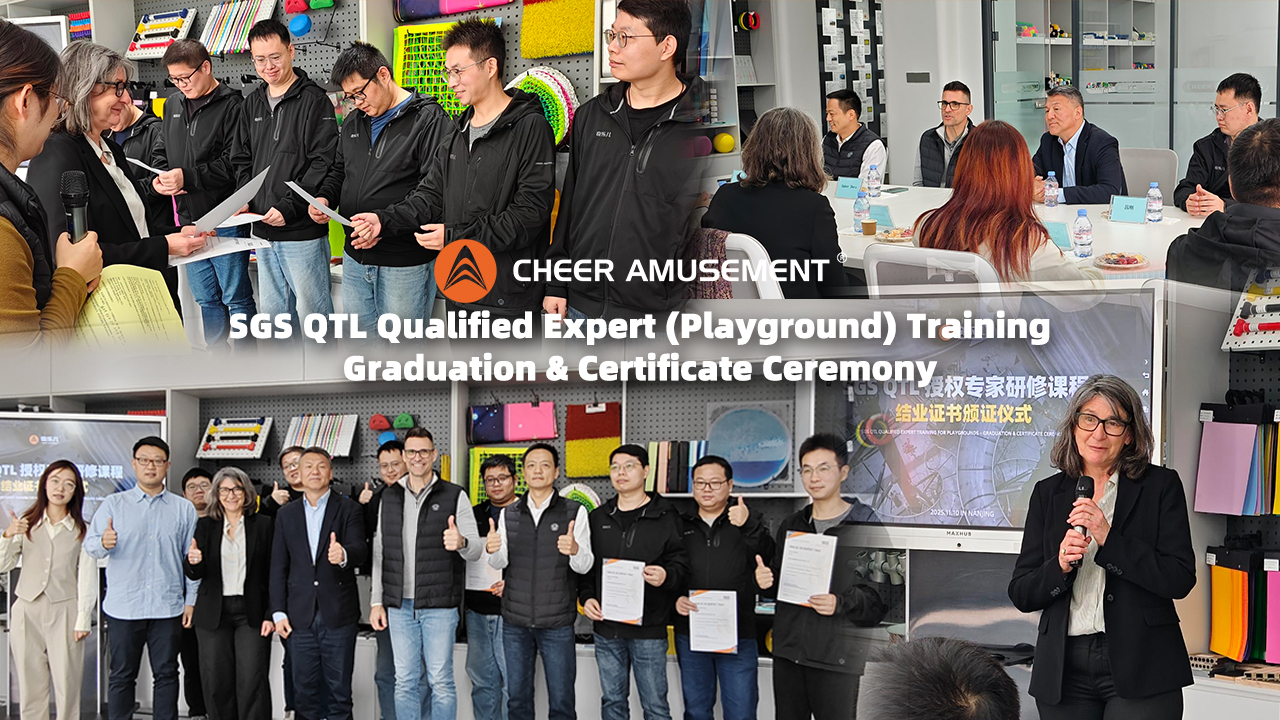
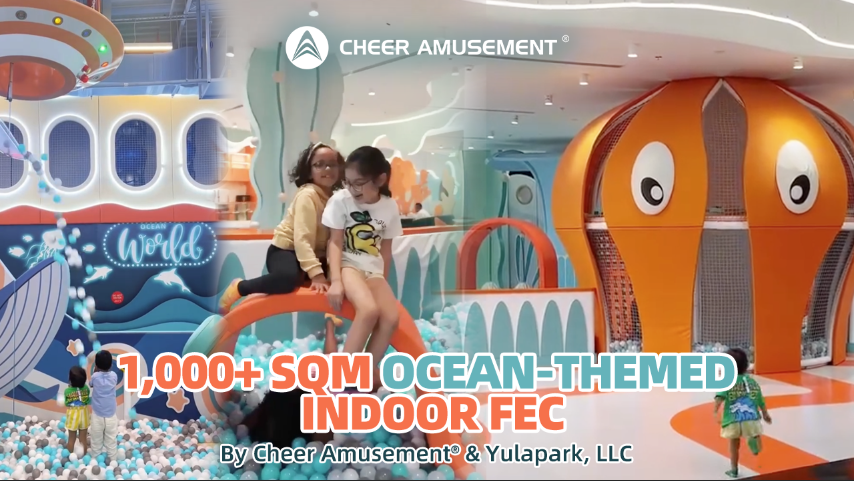
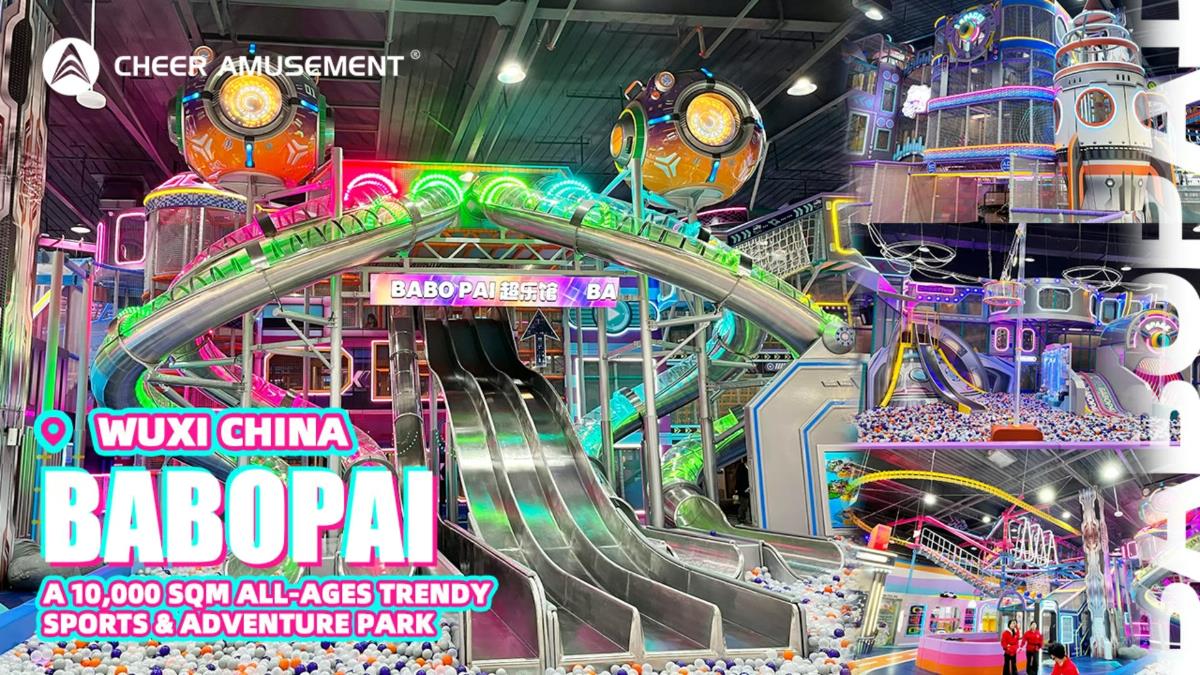
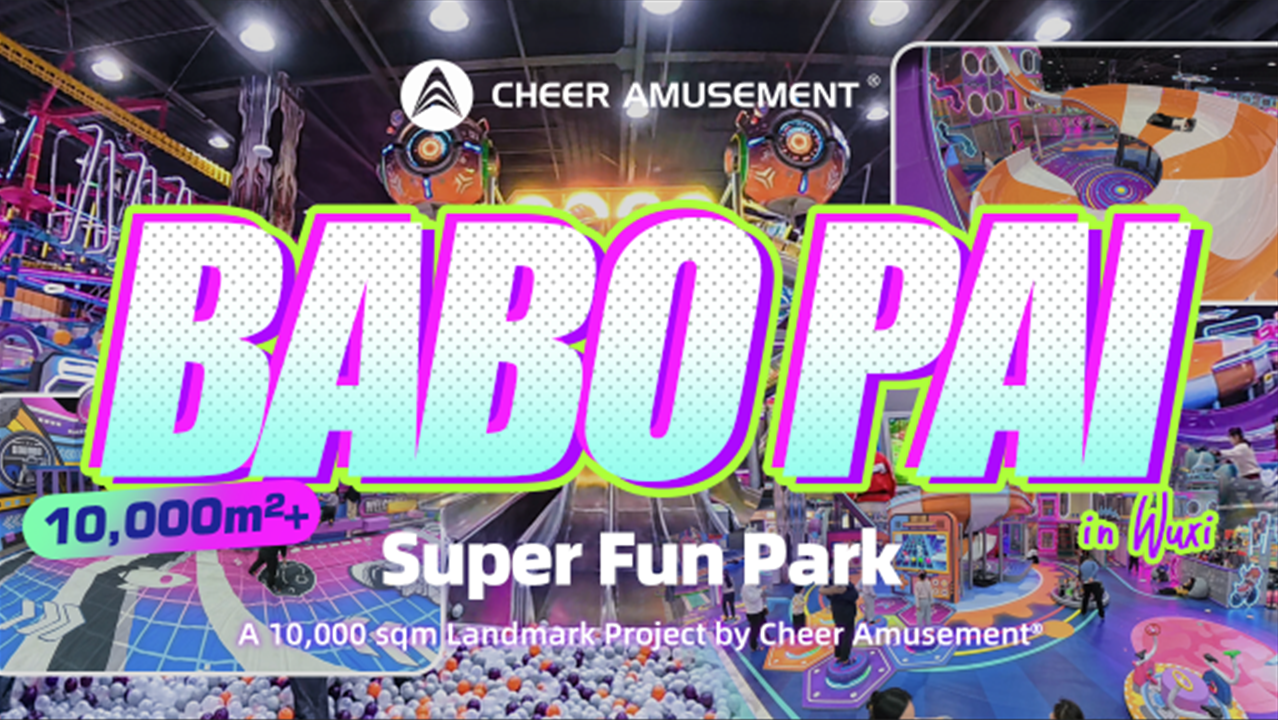
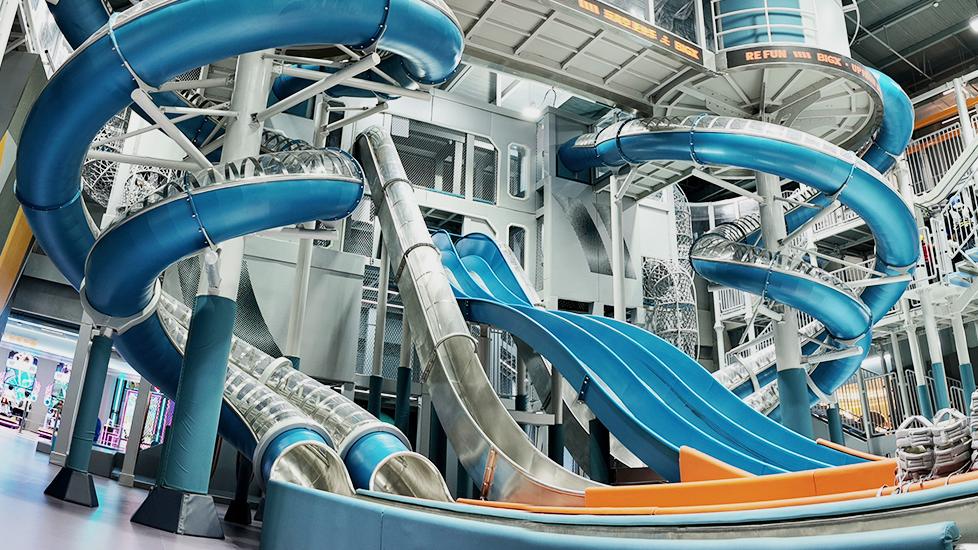
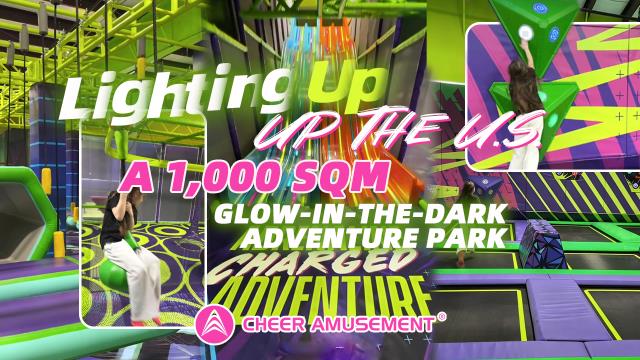
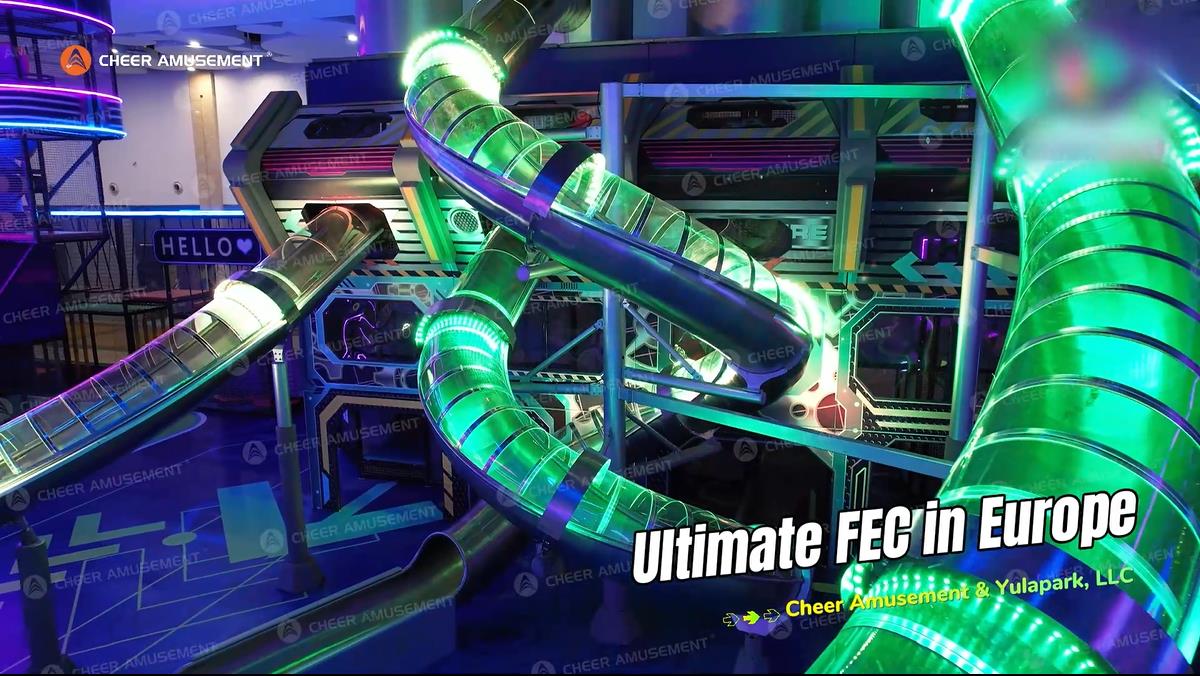
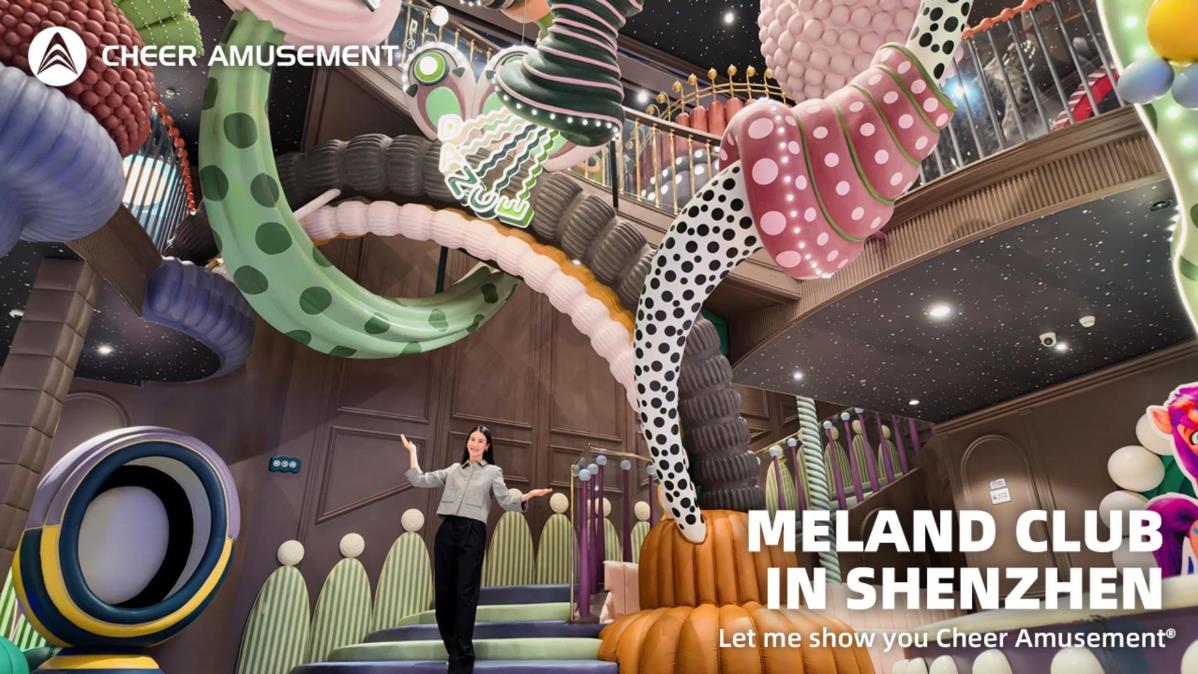
When investing in an indoor playground or Family Entertainment Center, safety is not just a regulatory requirement — it is the foundation of the entire business. Parents do not evaluate playgrounds based on engineering specifications or compliance certificates. Instead, they rely on instinct. They observe the environment, the structure, the layout, and how their children interact with the space. Within moments, they decide whether it feels safe. That perception directly influences not only how long they stay, but also how much they spend and whether they return — making safety a key driver of revenue and long-term playground ROI. For investors and operators, safety is therefore both a responsibility and a commercial priority. A well-designed playground builds trust, supports smooth operations, and protects long-term brand reputation. A poorly designed one introduces risk — not only in terms of compliance, but in customer confidence and business performance. At Cheer Amusement®, safety is not treated as a final checklist before opening. It is integrated into every stage of planning, design, manufacturing, and installation. Safety Begins at the Design Stage One of the most common misconceptions in indoor playground projects is that safety is something verified at the end — through inspections or certifications. In reality, safety is determined much earlier. The layout of the playground, the positioning of equipment, the separation of age groups, and the visibility across the space all influence how safe the environment will be during daily operation. A well-planned playground considers how children move, how they interact, and how staff and parents supervise. It avoids congestion points, reduces the risk of collisions, and ensures that every area is clearly visible. Poor early-stage design decisions can lead to operational inefficiencies, safety risks, and costly redesigns after installation — significantly increasing total project cost. When safety is built into the design from the beginning, compliance becomes a natural outcome rather than a last-minute concern. Understanding International Safety Standards Indoor playgrounds must comply with recognized safety standards, which vary depending on the region and market. For investors operating globally or working with an experienced indoor playground equipment manufacturers, understanding these standards is essential. Commonly referenced standards include: ASTM (primarily used in North America) EN standards (widely applied across Europe) ISO-related safety guidelines These standards cover areas such as structural integrity, material safety, fire resistance, and impact protection. However, compliance is not just about having documentation. Investors should ensure that the manufacturer understands how these standards are applied in real-world environments — particularly in high-traffic, commercial playgrounds. Failure to properly interpret and implement these standards can result in approval delays, compliance issues, or unexpected modifications — all of which can impact project timelines and profitability. A manufacturer that designs with compliance in mind from the outset will reduce risk and simplify approval processes. Structural Integrity and Material Quality At the core of any safe indoor playground is its structural framework. Children apply dynamic, unpredictable forces to playground equipment. Climbing, jumping, swinging, and group activity all create stress on the structure. Over time, repeated use tests the limits of materials and connections. This is why structural integrity must be carefully evaluated. High-quality playgrounds use reinforced steel frameworks, secure connection systems, and durable materials that maintain their strength under continuous use. Welding quality, load distribution, and anchoring systems all contribute to overall stability. Lower-grade materials may initially meet minimum standards but can degrade faster under real conditions. Small shifts in stability, even if not immediately dangerous, can affect user confidence and increase maintenance requirements. Over time, reduced structural quality can lead to higher maintenance frequency, operational disruptions, and ultimately lower long-term ROI. For investors, structural quality is not just a safety consideration — it is a long-term investment decision. Impact Protection and Fall Safety One of the most critical aspects of playground safety is managing falls. Children will fall. The goal is not to eliminate movement or challenge, but to ensure that when falls occur, the risk of injury is minimized. Effective fall protection includes: • Adequate padding thickness and density • Proper installation of impact-absorbing flooring • Controlled platform heights • Strategic placement of safety barriers Impact attenuation — the ability of a surface to absorb energy — is a key factor in reducing injury risk. High-quality materials maintain their performance over time, while lower-quality padding may compress and lose effectiveness. Design also plays a role. Equipment should be arranged to avoid high-risk fall zones and ensure that children cannot easily access unsafe heights. If fall protection is not properly engineered, even minor incidents can lead to negative reviews, reduced customer trust, and decreased repeat visits. A safe playground balances excitement with protection, allowing children to explore while reducing unnecessary risk. Fire Safety and Material Compliance Fire safety is an area that cannot be overlooked, especially in indoor environments such as shopping malls or enclosed entertainment venues. All materials used in playground construction should meet fire-retardant standards. This includes: • Soft padding • Netting • Plastic components • Decorative elements Compliance ensures that materials do not contribute to rapid fire spread and provide additional time for evacuation if necessary. Investors should request documentation and verify that materials meet the relevant fire safety requirements for their region. Non-compliance in fire safety can result in serious legal risks, project delays, or even forced closure — making it one of the most critical areas to evaluate. Fire safety is often regulated at the building level, but playground installations must align with those regulations to ensure full compliance. Visibility and Supervision Design One of the most underestimated aspects of playground safety is visibility. A well-designed playground allows parents and staff to easily observe children from multiple angles. Clear sightlines reduce the likelihood of unnoticed incidents and improve response time if assistance is needed. Poor visibility, on the other hand, creates blind spots where supervision becomes difficult. Effective supervision design includes: • Open layouts without unnecessary obstructions • Strategic positioning of larger structures • Elevated platforms designed with visibility in mind • Clear pathways for staff movement Poor visibility not only increases safety risk, but also reduces operational efficiency by requiring more staff and limiting supervision effectiveness. When visibility is strong, fewer staff are required to maintain control, and parents feel more confident allowing their children to explore. Safety is not just about preventing incidents — it is about ensuring that when something happens, it is seen immediately. Age Group Separation and Zoning Not all children play the same way. Toddlers require soft, low-impact environments, while older children seek more physically challenging activities. Mixing these groups without clear separation increases the risk of collisions and injuries. Effective zoning divides the playground into age-appropriate areas. This separation can be achieved through layout design, visual cues, and physical barriers where necessary. A well-zoned playground creates a safer environment by ensuring that children interact with equipment suited to their size, strength, and developmental stage. Poor zoning can lead to safety incidents, negative customer experiences, and reduced overall satisfaction — directly affecting repeat visits and revenue performance. At Cheer Amusement®, zoning is a core part of safety planning, ensuring that each area supports the needs of its intended users. Installation Quality and On-Site Execution Even the best-designed playground can become unsafe if installation is not executed correctly. Installation is where design meets reality. Structural components must be assembled precisely, connections must be secured, and safety features must be implemented exactly as intended. Key considerations include: • Accurate assembly of structural frameworks • Proper tensioning of netting and connectors • Secure anchoring to flooring systems • Final inspection and testing Improper installation can lead to hidden structural issues, increased maintenance costs, and potential safety risks during operation. Experienced manufacturers provide clear installation guidelines and, in many cases, on-site supervision to ensure quality control. Ongoing Maintenance and Safety Management Safety does not end when the playground opens. Daily operation introduces wear and tear, and regular maintenance is essential to keep the environment safe over time. Operators should implement: • Routine inspection schedules • Preventative maintenance plans • Immediate repair protocols for damaged components Neglecting maintenance can quickly turn minor issues into major safety risks, while also damaging brand reputation and reducing customer retention. A proactive approach to maintenance not only ensures safety but also preserves the visual appeal and performance of the venue. The Role of a Trusted Manufacturing Partner Safety is not achieved through a single decision. It is the result of multiple factors working together — design, materials, manufacturing, installation, and ongoing support. This is why choosing the right manufacturing partner is critical. An experienced manufacturer understands how to integrate all these elements into a cohesive system. They anticipate challenges, apply best practices, and ensure that safety is embedded throughout the project lifecycle. Working with a reliable indoor playground equipment manufacturer like Cheer Amusement® helps reduce risk, improve operational efficiency, and protect long-term investment returns. At Cheer Amusement®, safety is not treated as an isolated requirement. It is a core principle that guides every stage of development, from initial concept to long-term operation. Final Thoughts Indoor playground safety is not just about meeting standards — it is about creating an environment where families feel confident, comfortable, and eager to return. For investors, this means looking beyond certifications and focusing on how safety is implemented in practice. Design, materials, visibility, zoning, and long-term maintenance all contribute to the overall safety profile of a venue. A well-designed playground does more than protect its users. It builds trust, enhances the customer experience, and supports sustainable business growth. If you are planning a new indoor playground or evaluating equipment suppliers, ensuring safety is fully integrated from the start is critical to long-term success. Feel free to contact Cheer Amusement® to explore how we can support your project with safe, compliant, and commercially optimized solutions — from concept design to full project delivery.
Why Cheap Indoor Playground Equipment Can Cost You More When planning an indoor playground — whether as a standalone Family Entertainment Center or as part of a shopping mall development — capital allocation becomes one of the first and most critical conversations. Large-scale playground projects require substantial investment. It is completely understandable that investors and operators compare quotations carefully. On paper, the differences between manufacturers can appear dramatic. Two proposals may show similar layouts, similar attraction counts, similar slides, similar climbing structures — yet one price is significantly lower. At that stage, the cheaper option can feel like smart financial management. But in the indoor playground industry, the lowest upfront cost rarely equals the lowest long-term expense. In fact, choosing cheap indoor playground equipment is often the most expensive decision an operator makes — just not immediately. At Cheer Amusement®, we regularly speak with operators who initially prioritized price, only to face maintenance issues, brand challenges, and reinvestment pressure far earlier than expected. The real cost of cheap equipment unfolds slowly — across months and years — affecting operations, perception, and profitability. Understanding where these hidden costs originate is essential for anyone planning a serious indoor playground investment. The Difference You Can’t See on Opening Day When comparing manufacturers, most evaluations focus on visuals. Renderings look impressive. Structures appear large and colorful. The attraction count seems competitive. However, indoor playground equipment is not standardized like consumer products. Manufacturing quality varies widely, and the most important differences are not immediately visible. These differences often include: • Steel frame thickness and grade • Welding consistency and structural reinforcement • Density and durability of soft padding • Quality of safety netting and connectors • Fire-retardant treatment of materials • Surface coatings that resist fading and wear None of these elements stand out during a grand opening. They become visible under stress — when the structure has endured thousands of users, when cleaning chemicals are applied daily, when temperature and humidity fluctuate, and when active children test the limits of the design. A structure built with thinner steel may flex slightly under pressure. Lower-density padding compresses faster. Inferior coatings begin to fade. Netting loosens. Connections require frequent tightening. Each small compromise compounds over time. Durability Is a Commercial Decision Indoor playgrounds are high-impact environments. Unlike decorative installations, they are subjected to constant physical force. Children jump, climb, hang, run, collide, and repeat those actions hundreds of times per day. In this environment, durability is not a luxury — it is a commercial necessity. Cheap equipment often reduces cost by minimizing material quality. While this may lower the initial invoice, it increases vulnerability to wear. Within the first year, operators may begin to notice: • Padding losing shape or firmness • Visible tearing at high-contact areas • Paint chipping or color fading • Loose joints or structural instability • Increased noise from shifting components These issues require intervention. Each repair incurs labor costs, material replacement costs, and often temporary shutdown of specific attractions. And downtime has a measurable financial impact. If a signature attraction is unavailable during peak hours — weekends, holidays, birthday party bookings — the guest experience is affected. Families who encounter closures or visible repair work may not return. Durability directly influences revenue stability. Maintenance: The Hidden Operating Expense One of the most overlooked financial variables in indoor playground projects is ongoing maintenance. A high-quality structure, properly engineered and manufactured, requires routine inspection but minimal reactive repair. Lower-cost structures tend to generate ongoing small problems that demand frequent attention. These problems may include: • Replacing torn padding • Reinforcing loose netting • Tightening or replacing connectors • Addressing premature corrosion • Repairing surface finishes Individually, these tasks may appear manageable. Collectively, they create a pattern of continuous expense. Additionally, maintenance consumes management attention. Time spent coordinating repairs is time not spent improving marketing, refining guest experience, or expanding revenue channels. Over a five- to ten-year period, maintenance differences alone can surpass the initial cost savings of a cheaper manufacturer. Safety: Where Cost Cutting Becomes Risk Safety is the foundation of every indoor playground business. It is not simply a regulatory requirement — it is a brand promise to parents. Lower-cost equipment may technically meet minimum compliance requirements, but safety is more than certification. True safety involves: • Structural integrity under repeated impact • Consistent padding density to absorb force • Secure connection systems that resist loosening • Logical layout that avoids blind spots • Reliable fire-resistant materials When equipment is manufactured with lower-grade materials, the margin for error narrows. Components wear faster. Padding compresses unevenly. Structural tension increases. Even minor instability can affect parental perception. Parents may not analyze structural engineering, but they instinctively recognize when something feels unstable or worn. In the age of online reviews, safety perception is critical. A single negative review referencing loose structures or worn materials can influence dozens of potential visitors. The reputational cost of compromised safety far exceeds the initial savings of a cheaper proposal. Lifespan and Replacement Cycles Investors typically model return on investment over several years. A playground designed for long-term operation should maintain structural and aesthetic integrity well beyond its initial launch period. Cheap equipment often shortens this lifecycle. Instead of maintaining strong visual and structural performance for many years, lower-quality installations may require significant refurbishment far earlier than planned. This can mean: • Replacing large sections of structure • Re-padding entire zones • Re-coating faded surfaces • Reinforcing steel frameworks • Complete redesigns within five to seven years These reinvestments disrupt cash flow planning and reduce overall profitability. High-quality equipment, by contrast, maintains its performance and appearance longer, protecting long-term returns. Aesthetic Degradation and Market Perception Indoor playgrounds operate in highly competitive entertainment environments. Families compare venues. Social media amplifies visual impressions. Mall operators evaluate tenant quality. A venue that begins to look worn after a short period sends a message — even if unintentionally. Faded colors, sagging netting, compressed padding, and chipped coatings create a perception of neglect. Even if the equipment remains technically safe, visual deterioration influences guest psychology. Families are naturally drawn to environments that feel modern, vibrant, and well-maintained. When a playground appears outdated prematurely, operators may struggle to maintain premium pricing or justify marketing claims. Operational Efficiency and Layout Quality Cost reduction does not only affect materials. It can also impact design precision. Lower-cost manufacturers sometimes replicate visual scale without fully engineering operational flow. Congested entry points, poor supervision visibility, and inefficient zoning can result from rushed or template-based design approaches. Operational inefficiencies lead to: • Staff positioning challenges • Congestion during peak hours • Increased supervision pressure • Reduced guest comfort A well-designed playground is intuitive. Guests understand how to move through it. Staff can supervise efficiently. Energy flows smoothly. When design and manufacturing quality align, the venue feels effortless. When corners are cut, friction becomes part of daily operation. The Illusion of Short-Term Savings When evaluating proposals, it is tempting to focus on the initial price difference. However, the more relevant calculation is total lifecycle cost. True financial evaluation should include: • Expected structural lifespan • Annual maintenance costs • Downtime impact • Safety risk exposure • Reinvestment timelines • Brand perception value When these factors are considered across a multi-year period, the “cheaper” option frequently becomes the more expensive one. Choosing Stability Over Short-Term Reduction An indoor playground is not a temporary installation. It is a commercial anchor designed to generate traffic, extend dwell time, and support recurring revenue streams. The manufacturer chosen at the beginning influences: • Structural longevity • Safety confidence • Maintenance stability • Brand positioning • Investment return At Cheer Amusement®, projects are engineered with long-term durability, compliance integrity, and operational efficiency at their core. The goal is not to minimize upfront cost — it is to maximize long-term value. Serious investors understand that quality manufacturing is not an unnecessary expense. It is a strategic safeguard. Final Perspective Cheap indoor playground equipment may reduce initial capital expenditure. But over time, hidden costs emerge — maintenance escalation, safety concerns, downtime, premature reinvestment, and brand erosion. For operators and developers planning substantial indoor playground projects, the smarter approach is to evaluate total value rather than surface price. In the entertainment industry, quality is not a luxury. It is protection for your investment, your brand, and your future profitability. If you are considering a new project or assessing manufacturers, feel free to contact Cheer Amusement® — we provide expert guidance from concept planning to full project execution, ensuring your playground is safe, durable, and profitable.
How to Choose the Right Indoor Playground Equipment Manufacturer Selecting an indoor playground equipment manufacturer is one of the most critical decisions in any Family Entertainment Center or mall-based playground project. The manufacturer you choose will directly influence not only the design and safety of your venue, but also its long-term operational success, maintenance costs, and brand reputation. For investors and operators, this decision should never be based on price alone. Choosing the wrong indoor playground supplier can lead to costly redesigns, operational inefficiencies, and reduced customer retention — all of which directly impact profitability. A well-planned playground is a long-term commercial asset — and choosing the right partner from the beginning can determine whether the project thrives or struggles. At Cheer Amusement®, manufacturer selection is approached as a strategic partnership, not a simple equipment purchase. Industry Experience and Project Portfolio A qualified manufacturer should be able to demonstrate proven experience across multiple project types and scales. Before committing, investors should review: Completed large-scale indoor playground projects Shopping mall integrations Family Entertainment Centers (FECs) International installations Custom-themed environments Experience matters because every venue presents different challenges — ceiling heights, local regulations, mall integration, fire safety requirements, and customer demographics all influence design decisions. A manufacturer with diverse project experience is more likely to anticipate challenges early and provide practical, commercially sound solutions. At Cheer Amusement®, our global project experience allows us to provide solutions that balance creativity with commercial practicality. Design Capability and Customization Indoor playgrounds today are no longer standard modular structures placed into empty spaces. Modern venues demand immersive theming, strong visual identity, and integrated environmental design— all essential elements of successful FEC design. When evaluating a manufacturer, operators should assess: In-house design capabilities Custom theme development 3D renderings and layout planning Integration of lighting and branding elements Ability to tailor equipment to local market preferences The ability to customize is essential, particularly for mall-based projects where brand differentiation is critical. A playground that looks generic is unlikely to stand out in competitive entertainment markets. More importantly, effective design should not only focus on aesthetics, but also on guest flow, capacity planning, and revenue generation — key factors that directly influence playground ROI. Compliance with Safety Standards Safety compliance is non-negotiable. Reputable manufacturers must demonstrate adherence to international and regional safety standards. Investors should request documentation covering: Material certifications Structural testing Fire resistance compliance Impact attenuation systems Installation procedures Beyond documentation, manufacturers should explain how safety is integrated into the design process — including visibility, supervision layout, and age-group separation. Strong safety planning protects not only guests but also the operator’s brand and long-term viability. Failure to properly address safety compliance can result in operational delays, increased liability risks, and even forced redesigns — all of which can significantly increase project costs. Manufacturing Quality and Materials Not all playground equipment is built to the same standard. Investors should look beyond surface appearance and examine: Steel frame thickness and welding quality Durability of padding materials Anti-fade coatings and finishes Longevity of netting and connectors Ease of maintenance and replacement parts Lower-quality materials may reduce initial costs but can lead to higher maintenance expenses, faster wear, and premature refurbishment. High-quality manufacturing ensures the playground remains visually appealing and structurally sound for years. Installation and Project Management Support Large indoor playground projects require coordination between designers, contractors, mall management, and electrical teams. A reliable manufacturer should provide: Detailed installation drawings On-site supervision Clear project timelines Coordination with local contractors Post-installation inspection and testing Poor project coordination can cause delays, unexpected costs, and operational disruptions. An experienced manufacturer acts as a structured project partner — not just a supplier, helping operators avoid costly delays and ensuring the project is delivered on time and within budget. After-Sales Service and Long-Term Partnership The relationship should not end after installation. Operators should assess: Warranty coverage Availability of spare parts Technical support responsiveness Upgrade options Maintenance guidance Playgrounds operate in high-traffic environments. Regular wear is inevitable. A manufacturer that provides ongoing support helps protect the long-term investment. At Cheer Amusement®, after-sales service is treated as part of the overall project lifecycle, ensuring venues continue performing at their best long after opening day. Understanding Commercial Objectives Perhaps the most overlooked factor when selecting a manufacturer is alignment with commercial goals. Before choosing a partner, investors should ask: Does the manufacturer understand mall integration? Can they balance aesthetics with operational efficiency? Do they design for long-term profitability, not just visual appeal? Are they experienced in optimizing guest flow and dwell time? A playground is not simply equipment — it is a revenue-generating environment. The right manufacturer understands how layout, attraction mix, and environmental design contribute to commercial success. Final Thoughts Choosing the right indoor playground equipment manufacturer is one of the most important strategic decisions in any entertainment project. The ideal partner combines: Proven industry experience Strong design capabilities Safety compliance expertise High manufacturing standards Reliable project execution Long-term after-sales support When these elements align, the result is more than a playground — it becomes a destination that drives traffic, builds brand loyalty, and delivers sustainable commercial performance. For investors and operators planning new indoor playground projects, careful evaluation of manufacturing partners is not just recommended — it is essential. If you are evaluating manufacturers or planning a new project, feel free to contact Cheer Amusement® for tailored solutions and professional support — from concept planning to full project execution.
Starting an indoor playground business can be highly profitable, but many operators fail due to common mistakes. The top errors include poor location selection, wrong equipment mix, ignoring safety standards, and underestimating operational costs. Avoiding these pitfalls will save time, money, and reputation, ensuring a successful launch and sustainable growth. What are the most common mistakes when choosing a location? l Choosing a location with low foot traffic can drastically reduce revenue. l Ignoring accessibility (parking, public transport) limits visitor numbers. l Failing to research nearby competitors may lead to market saturation. How to avoid selecting the wrong equipment mix? l Only buying equipment based on trends, not age groups, can alienate certain customers. l Skipping interactive or safety-certified equipment reduces both appeal and trust. l Not planning the layout according to space leads to overcrowding or underused areas. Why is ignoring safety standards a critical mistake? l Non-compliance with ASTM, EN, or local safety regulations can result in fines or lawsuits. l Safety incidents can destroy your brand reputation quickly. l Lack of proper staff training increases accident risk. How can underestimating operational costs affect your business? l Utilities, staffing, maintenance, and insurance costs are often overlooked. l Misjudging marketing expenses can slow growth. l Unexpected costs during peak seasons can impact cash flow. Quick Summary Mistake Key Tip Poor location Research foot traffic, accessibility, and competitors Wrong equipment Choose age-appropriate, certified, and interactive equipment Ignoring safety Follow regulations, train staff, and maintain equipment Underestimating costs Plan for all operational expenses and contingencies FAQ Q: How long does it take to open an indoor playground? A: Typically 4 to 6 months depending on the size, design, manufacturing, and installation. Q: Can I start small and expand later? A: Yes, but ensure the initial design allows for modular expansion to avoid costly redesigns. Q: How important is staff training? A: Extremely. Proper training reduces accidents and improves customer experience. CTA Ready to launch your indoor playground without costly mistakes? Contact Cheer Amusement® today to get a customized project plan! Email: info@playground.cn WhatsApp: +86 18795982358
A 3,000 sqm indoor playground typically requires a significant investment — making early planning decisions critical to long-term profitability. Planning a 3,000 sqm indoor playground inside a shopping mall is not just about filling space with equipment. It is a complex commercial project that must balance entertainment value, safety, customer flow, brand positioning, and long-term operational performance. For mall developers and amusement park operators, success depends on understanding how indoor playground projects are actually planned, designed, and delivered. At Cheer Amusement®, large-scale playgrounds are approached as integrated systems — not isolated attractions. Understanding the Role of a Mall-Based Indoor Playground A mall indoor playground serves a different purpose than a standalone amusement venue. Its role is to: Increase foot traffic Extend dwell time Attract family audiences Support retail and F&B performance This means the playground must be visually inviting, operationally efficient, and seamlessly integrated into the mall’s circulation and branding. Before design begins, operators should define the playground’s commercial objective: is it primarily a traffic driver, a destination attraction, or a revenue-generating anchor tenant? The answer shapes every planning decision that follows. Step-by-Step Guide to Designing Your 3,000 sqm Playground Step 1: Space Planning and Zoning Strategy A 3,000 sqm playground offers significant flexibility in layout, but without clear zoning, the space can quickly feel chaotic or overwhelming. Effective zoning typically includes: Toddler and soft play areas Mid-age adventure zones High-energy attractions (climbing, slides, interactive play) Party and birthday rooms Parent seating and observation areas Circulation corridors for smooth flow Zoning should be intuitive, allowing guests to understand the space at a glance. Lighting, flooring, and visual cues are often used alongside physical layout to guide movement. At Cheer Amusement®, zoning is planned early to ensure safety separation between age groups while maintaining a cohesive guest experience. Step 2: Traffic Flow and Mall Integration Unlike standalone parks, mall playgrounds must work within existing traffic patterns. Key considerations include: Visibility from main corridors Clear entrances and exits Queue management during peak hours Emergency access routes Noise and visual control The goal is to attract attention without disrupting surrounding retailers. Transparent façades, open sightlines, and well-planned entry points help balance engagement with mall harmony. Step 3: Selecting the Right Play Mix Not all attractions scale effectively. In a 3,000 sqm space, variety matters more than quantity. Successful play mixes often combine: Physical challenges (climbing, obstacle courses) Interactive and technology-assisted play Themed soft play for younger children Signature attractions that define the venue Each element should serve a purpose — whether it’s encouraging repeat visits, appealing to specific age groups, or supporting themed storytelling. Equipment selection must also consider durability, maintenance cycles, and operational staffing requirements. Step 4: Safety Planning at Scale Safety becomes more complex as playground size increases. For large mall-based playgrounds, safety planning includes: Clear sightlines for staff and parents Controlled access points Non-slip flooring and impact attenuation Emergency lighting and evacuation planning Logical separation of age groups Good safety design is invisible to guests — but immediately noticeable when it’s missing. Parents may not analyze the layout, but they instinctively feel whether a space is well managed. Step 5: Lighting, Acoustics, and Environmental Comfort Environmental design has a major impact on guest comfort and dwell time. Lighting should: Clearly define zones Avoid glare and dark areas Enhance themes and branding Acoustics are equally important. Large indoor playgrounds can quickly become noisy, so sound-absorbing materials and thoughtful ceiling design help maintain a pleasant atmosphere for both children and adults. Climate control, ventilation, and air quality should never be underestimated — especially in enclosed mall environments. Step 6: Theming and Brand Experience A 3,000 sqm playground should feel like a destination, not just a play area. Strong theming: Creates emotional connection Supports marketing and social sharing Encourages repeat visits Strengthens brand identity Theming should be consistent across equipment, lighting, graphics, and signage. Rather than overwhelming the space, effective theming enhances clarity and immersion. Step 7: Operational Planning and Long-Term Performance Design decisions directly affect daily operations. Operators should consider: Staffing efficiency Maintenance access Energy consumption Cleaning workflows Future upgrades or expansions Planning for long-term performance ensures the playground remains profitable and relevant years after opening. At Cheer Amusement®, projects are designed not only for opening day impact, but for sustainable operation throughout the venue’s lifecycle. Final Thoughts: Designing for Long-Term Success Planning a 3,000 sqm indoor playground for a shopping mall is a multidisciplinary process that blends design, engineering, safety, and commercial strategy. When done correctly, the result is more than a play space — it becomes a powerful driver of foot traffic, customer engagement, and long-term value for the entire mall. Planning a large-scale mall playground? Our design team can help you evaluate layout efficiency, attraction mix, and long-term ROI before construction begins.
In modern indoor playgrounds, lighting is no longer just a technical requirement. It has become a strategic design tool that directly influences how visitors feel, how long they stay, and how safe and welcoming a space appears — making it a key element of any successful Indoor Playground Lighting strategy. For amusement park operators and developers, lighting decisions can impact everything from first impressions and customer trust to dwell time and repeat visits. At Cheer Amusement®, lighting is never treated as decoration added at the end of a project — it is planned from the very beginning as a core part of how a play environment functions. Lighting as an Emotional Driver in Play Spaces The moment families step into a play area, lighting sets the tone. Bright, balanced lighting creates a sense of openness and excitement, while softer lighting in calmer zones helps children feel relaxed and secure. Poor lighting, on the other hand, can make even the best-designed playground feel chaotic, overwhelming, or unsafe. Children respond instinctively to light. Vibrant, well-distributed lighting encourages exploration and movement, while harsh glare or dark corners can create discomfort or hesitation. Parents, meanwhile, associate good lighting with cleanliness, safety, and professionalism — all critical factors when deciding how long to stay and whether to return. Effective lighting design balances energy and comfort, ensuring the space feels exciting without becoming overstimulating. Using Lighting to Define Play Zones In large indoor playgrounds and Family Entertainment Centers, clear zoning is essential. Lighting plays a powerful role in guiding movement and defining different areas — often without the need for physical barriers. Lighting can help visually separate: Toddler and soft play zones Adventure and climbing areas Interactive or digital play sections Party rooms and celebration spaces Seating and rest areas for parents By adjusting brightness levels, color temperatures, and accent lighting, operators can intuitively guide guests through the space. Visitors naturally understand where active play happens and where calmer activities are encouraged — improving flow, safety, and overall experience. At Cheer Amusement®, zoning through lighting is planned alongside layout design to ensure every area feels purposeful and easy to navigate. Safety Perception and Visibility Safety is one of the top concerns for any amusement park operator, and lighting plays a major role in how safe a space feels — even before parents consciously evaluate the equipment. Well-designed lighting: Eliminates dark corners and blind spots Improves visibility for staff supervision Helps parents clearly monitor their children Enhances emergency awareness and orientation Even if a playground meets all technical safety standards, poor lighting can undermine confidence. Parents may not always articulate why, but they instinctively feel more comfortable in well-lit, evenly balanced environments. For this reason, lighting design should always support visibility across the entire play area, especially in high-activity zones. Lighting Design by Venue Type Different venues require different lighting strategies. A one-size-fits-all approach rarely works. Shopping Mall Indoor Playgrounds In mall environments, lighting must attract attention while maintaining harmony with surrounding retail spaces. Bright, inviting lighting draws walk-in traffic and improves visibility from corridors, helping the play area stand out as an appealing destination for families. Family Entertainment Centers (FECs) FECs benefit from layered lighting — combining general illumination with accent lighting for feature attractions. This approach adds depth, highlights key experiences, and keeps the environment visually dynamic. Large Indoor Adventure Parks For large-scale indoor parks, lighting helps manage scale and flow. Zoned lighting ensures visitors don’t feel overwhelmed while guiding them naturally through expansive spaces. Each venue type demands a tailored lighting strategy aligned with its operational goals and customer expectations. Integrating Lighting with Theme and Brand Identity Lighting plays a major role in reinforcing a playground’s theme and brand identity. Color temperatures, accent lighting, and programmable effects can enhance storytelling — whether the space is themed around nature, adventure, fantasy, or futuristic concepts. Consistent lighting design strengthens brand recognition and creates a more immersive experience. Rather than relying on equipment alone, lighting brings the entire environment together, ensuring that graphics, colors, and play structures work as one cohesive experience. Planning Lighting from Day One One of the most common mistakes in playground projects is treating lighting as an afterthought. Early integration of lighting planning is critical not only for aesthetics and safety but also for operational efficiency and commercial success. At Cheer Amusement®, lighting is considered alongside: Equipment layout and circulation flow Ceiling height and structural elements Electrical planning and maintenance access Energy efficiency and long-term operating costs Strategically planned lighting helps operators maximize guest flow, reduce operational bottlenecks, and create spaces that perform profitably over time. The Business Impact of Good Lighting Beyond aesthetics and safety, lighting plays a measurable role in commercial performance. Thoughtful lighting design not only enhances guest experience but also supports revenue growth, operational efficiency, and long-term profitability. Well-designed lighting contributes to: Longer dwell times Improved customer satisfaction Stronger online reviews Increased repeat visits Higher perceived value of the venue Operators who integrate lighting strategically from the planning stage often see more consistent guest engagement and stronger financial outcomes. Final Thoughts Lighting is far more than a technical requirement in indoor playground design. It is a strategic investment that influences mood, enhances safety, strengthens brand identity, and supports long-term commercial performance. For operators planning new playgrounds or upgrading existing venues, integrating lighting early in the design process can directly impact guest satisfaction, operational efficiency, and revenue potential. At Cheer Amusement®, every project is approached holistically — ensuring lighting, equipment, layout, and theming work together to create play spaces that look exceptional, feel intuitive, and revenue potential. Operators seeking to optimize their indoor playground’s design and maximize commercial impact are invited to contact Cheer Amusement® to explore customized lighting strategies and full-scale planning support.
The Phygital Revolution: The Comprehensive Guide to Merging Physical Play with Interactive Technology Exploring the strategic fusion of physical exertion and digital engagement to define the next generation of Family Entertainment Centers for 2026 and beyond. The indoor entertainment landscape is currently undergoing its most significant metamorphosis since the invention of the soft play structure in the 1980s. For decades, the industry operated on a simple value proposition: providing a safe, physical space for children to burn energy. However, as we move toward 2026, the traditional "analog" playground is no longer enough to capture the attention of Gen Alpha—a generation that has never known a world without high-fidelity digital interactivity. We are now in the era of the Phygital Revolution. This term describes the seamless integration of digital feedback loops into traditional physical play environments. It is not about replacing movement with screens; it is about using technology to amplify movement. At Cheer Amusement, we have transitioned from being traditional equipment manufacturers to becoming architects of immersive, hybrid experiences. This article provides a 1,500-word deep-dive into the psychology, technology, and business strategy behind Phygital play and why it is the ultimate future-proofing tool for your investment. 1. Behavioral Psychology: Why "Phygital" Captures Gen Alpha To understand why Phygital play is so effective, we must first look at the psychology of the modern player. Children today are "digital natives." Their brains are wired to expect immediate feedback for every action they take. In a video game, when they jump, they hear a sound and see a score increase. In a traditional playground, when they jump, the feedback is purely physical. By adding a digital layer, we bridge this "feedback gap." The Dopamine Loop of Gamification Gamification is the strategic use of game-design elements in non-game contexts. When a child interacts with an augmented reality climbing wall or a sensor-based ninja course, they are entering a positive reinforcement loop. Every successful "tag" or "level cleared" releases a small amount of dopamine. This doesn't just make the play "fun"—it makes it compelling. This psychological hook is what keeps children engaged for 40% longer than in traditional play areas, directly increasing the value of the parent's admission fee. Achieving "Flow State" Through Physical Challenge In psychology, "Flow" is the state of being fully immersed in an activity. Flow occurs when the challenge of the task perfectly matches the skill of the individual. Digital systems allow us to scale the challenge in real-time. A digital climbing wall can offer an "easy" path for a toddler and a "pro" path for a teenager on the same physical surface. This ensures that every guest remains in a state of Flow, reducing boredom and making the experience feel personalized. 2. The Hardware of Interaction: Sensors, LiDAR, and RFID Building a Phygital park requires more than just hanging a TV on a wall. It requires a sophisticated "nervous system" of sensors integrated into the very fabric of the play equipment. At Cheer Amusement, we utilize three primary technologies to create this interactivity: LiDAR and Depth-Sensing Cameras Light Detection and Ranging (LiDAR) allows our systems to "see" the players in 3D space. When projected onto a trampoline or a slide, the system tracks the player's body movement with millisecond precision. This allows for "hands-free" interaction—the player's body is the controller. RFID and NFC Wearables Radio Frequency Identification (RFID) wristbands allow players to "check-in" to different zones. This turns the entire park into a massive RPG (Role-Playing Game). A child can scan their wristband at a tagging station, complete a physical challenge, and earn "experience points" (XP) that are saved to their profile for their next visit. This is the ultimate tool for customer retention. Capacitive and IR Tagging Pods In high-intensity areas like Ninja Courses, we use durable, industrial-grade touch sensors. These "Tag Pods" are designed to withstand millions of physical strikes. They communicate wirelessly with a central server to track race times and accuracy, feeding data directly to a Digital Leaderboard. 3. The Business Logic: ROI, LCV, and Secondary Revenue Investing in technology is not just about staying "cool"—it is a cold, hard business decision. A Phygital park outperforms a traditional park across four key financial pillars: A. Increased Lifetime Customer Value (LCV) The biggest challenge for any FEC is the "novelty cliff." Once a child has climbed the same slide ten times, they are bored. Digital integration solves this through content updates. By changing the software on your interactive slide or ball pit, you offer a "new" experience every season without spending a penny on physical construction. This keeps families returning month after month, significantly increasing their lifetime value to your business. B. Boosting Secondary Revenue (The "Dwell Time" Effect) There is a direct correlation between how long a guest stays in your facility and how much they spend on Food & Beverage (F&B). Phygital play zones increase average dwell time by roughly 30-45 minutes. That extra time is when parents buy a second coffee or the family decides to stay for dinner. The technology pays for itself through increased pizza and latte sales. C. Data-Driven Operational Efficiency Smart playgrounds provide data that analog ones cannot. You can see heatmaps of where children are spending their time. If your "Jungle Zone" is overcrowded but your "Toddler Area" is empty, you can adjust your staffing or marketing in real-time. This level of business intelligence allows you to optimize your labor costs and maximize every square meter of your lease. 4. Engineering for the "Real World": Durability and Maintenance The number one concern for owners regarding technology is: "What happens when it breaks?" In a high-traffic FEC, equipment takes a beating. At Cheer Amusement, our engineering philosophy is "Industrial Strength, Child-Proof Design." The Stealth Integration Approach We don't "tack on" technology; we bake it into the structure. All power units and data cables are encased in fire-rated, flexible conduits hidden behind high-density foam and reinforced vinyl. This ensures that even the most energetic play won't disrupt the technical infrastructure. We use commercial-grade projectors with 20,000-hour lamp lives, meaning they can run for years with minimal intervention. Remote Support and Diagnostic Software Most "tech issues" are software-related. Our Phygital systems are connected to a secure cloud, allowing our engineers to perform remote diagnostics and updates from our global headquarters. This minimizes "downtime" and ensures your park remains operational during peak weekend hours. 5. The Horizon: AI-Driven Play and Beyond Looking toward 2027 and 2028, the next step in the Phygital Revolution is AI-driven adaptive play. Imagine a play structure that recognizes a specific child via their RFID band and automatically adjusts the lighting, sound, and digital difficulty to match their personal preferences. Or a "Digital Coach" that gives children verbal tips on how to improve their ninja course time. This level of personalization is the ultimate goal of the “Experience Economy.” Conclusion: Build a Destination, Not Just a Playground The choice for modern FEC investors is clear. You can build a traditional playground and compete solely on price, or you can build a Phygital destination and compete on experience. In a world where home entertainment is becoming increasingly immersive, the "out-of-home" experience must be spectacular to justify the visit. The Phygital Revolution is not a trend; it is the new baseline for the industry. It offers children the physical release they need and the digital engagement they crave, all while providing operators with the data and flexibility they need to thrive. Partnering with Cheer Amusement ensures that your facility is built on a foundation of global design expertise, structural safety, and cutting-edge digital innovation. The "Phygital" Advantage Summary: Maximized Dwell Time: Digital games increase visit length by up to 40%, boosting F&B sales. Lower Refresh Costs: Update your park's theme via software rather than expensive physical construction. Competitive Moat: High-tech integration is a significant barrier to entry for smaller, generic competitors. Viral Marketing: Reactive projections are highly "shareable," providing free organic promotion on social media. Data Intelligence: Use heatmaps and leaderboards to understand guest behavior and optimize staffing. Ready to lead the Phygital Revolution in your market? Don't leave your investment to chance. Contact the design and engineering team at Cheer Amusement today to start conceptualizing your market-defining, high-tech play destination. Let's build the future of play together.
Unlocking Joy: How Cheer Amusement Can Transform Your Event Experience From high-margin birthday celebrations to large-scale corporate gatherings, discover how the architecture of play creates the emotional and financial anchor for successful events. In the modern era of the "Experience Economy," the definition of a successful event has undergone a radical transformation. Whether you are hosting a child’s fifth birthday party, a community festival, or a Fortune 500 company’s annual family day, the objective remains the same: to create a lasting, positive emotional resonance. However, in a professional commercial setting, joy is not an accident—it is a result of intentional engineering. At Cheer Amusement, we don’t just manufacture play equipment; we design the stages where life’s most precious memories are performed. We understand that a well-designed play environment is the catalyst that turns a simple gathering into a landmark event. By combining world-class structural engineering with immersive storytelling and cutting-edge technology, we help venue owners "Unlock Joy" in ways that drive both guest satisfaction and bottom-line profitability. This article provides a comprehensive 1,500-word deep-dive into the strategic role of amusement design in the global event industry. 1. The Birthday Party Revolution: Designing the “Hero Moment” For Family Entertainment Centers (FECs), birthday parties are often the single most important revenue stream. While walk-in traffic provides daily stability, it is the high-margin event packages that drive true profitability. To command a premium price, an operator must provide more than just access to a playground; they must provide an identity. The Psychology of the Protagonist Every child wants to feel like the hero of their own story. Cheer Amusement structures are designed to facilitate this narrative. When a child enters a custom-themed "Galactic Starship" or a "Mystic Forest," they aren't just playing—they are exploring. This immersion is key to a successful party. When the environment is cohesive, the birthday child feels special, the guests are engaged, and the parents feel that their investment was justified. This "protagonist effect" is the foundation of customer loyalty and word-of-mouth marketing. Themed Party Rooms: Extending the Magic The event experience shouldn't stop when the kids leave the play structure. Cheer Amusement assists operators in designing integrated themed party rooms that serve as an extension of the playground. By using matching fiberglass sculptures, wall graphics, and lighting, we ensure there is no "sensory drop" when the children move to the cake-cutting portion of the event. This continuity allows you to offer "Elite" or "VIP" tiers of party packages, significantly increasing the Average Transaction Value (ATV) per event. 2. Bridging the Gap: Corporate Family Days and Professional Networking The corporate world is shifting away from stuffy office parties toward "inclusive" family-focused events. Companies are looking for venues that can entertain children while allowing adults to network and socialize in a relaxed atmosphere. This is where a Cheer Amusement-designed facility provides a massive competitive advantage for event planners. Physical Play as a Social Equalizer In a corporate setting, titles and hierarchies often create barriers. However, when employees see their CEO racing through a Ninja Course or laughing in a ball pit with their children, those barriers disappear. Play is a universal language. By providing high-quality, safe, and challenging structures, you offer corporate clients a unique "Team Building" environment that feels organic rather than forced. This makes your venue the first choice for annual corporate retreats and family days. Case Study: The Tech Sector “Family Hub” A major tech campus in Silicon Valley recently integrated a custom-themed Cheer Amusement structure into their employee lounge and event center. By offering a dedicated space for children during company town halls and evening mixers, the firm saw a 40% increase in attendance for after-hours events. The "Joy" provided by the structure wasn't just for the kids; it provided a "guilt-free" social life for the parents, increasing employee morale and company culture scores. 3. The Foundation of Trust: Why Safety is the Ultimate Event Amenity You cannot "Unlock Joy" if there is even a hint of anxiety regarding safety. For event planners, the biggest risk to a successful event is an injury or an equipment failure. At Cheer Amusement, we treat safety as the primary design constraint, not an afterthought. Parental Peace of Mind and Sightlines A joyful event for a child is only a success if it is a relaxing event for the parent. Our structures are engineered with "Parent-Centric Sightlines." We use high-tension, transparent netting and strategic "open-zone" layouts so that parents can maintain visual contact with their children from the event seating area. When parents feel their children are safe and supervised by the environment itself, they stay longer, consume more F&B (Food and Beverage), and are more likely to book a future event. Global Certification as a Business Shield Every structure we build is compliant with ASTM (North America), EN (Europe), and AS (Australia) standards. For an event venue, this is a powerful "Business Shield." It simplifies insurance approvals, reduces liability premiums, and—most importantly—proves to corporate clients and school groups that your venue is a professional, high-standard destination. Safety isn't just a requirement; it’s a marketing tool that builds the trust necessary for high-volume event bookings. 4. The "Phygital" Edge: Enhancing Events with Interactive Technology To truly transform an event experience in 2026, you must bridge the gap between physical play and digital engagement. Cheer Amusement’s interactive "Phygital" features turn a standard playground into a dynamic event platform. Gamified Challenges and Leaderboards Imagine a birthday party where every child wears an RFID wristband. As they navigate the play structure, they "tag" sensors to collect points. At the end of the party, a Digital Leaderboard displays the winners. This turns play into a structured, competitive event, keeping children focused and excited throughout the duration of the party. It also provides parents with a clear "activity schedule," making the event feel organized and professionally managed. Interactive Projections for Event Themes Using projection mapping, we can change the entire aesthetic of a play zone to match a specific event theme. Is it a "Frozen" themed party? The slide becomes a river of ice. Is it a "Super Mario" event? The floor becomes a series of interactive coins. This software-driven theming allows you to offer endless variety without ever needing to replace physical equipment, providing an incredible Return on Investment (ROI) for the venue operator. 5. Actionable Insights: Transforming Your Space Today If you are looking to revitalize your event business, here are three actionable steps you can take with Cheer Amusement: Audit Your "Hero" Potential: Does your park have a centerpiece that makes children gasp when they walk in? If not, consider a custom-themed focal point—a giant volcano, a futuristic rocket, or a multi-story castle. This is the visual "hook" that sells birthday parties. Optimize for Secondary Spend: Ensure your event seating and F&B zones have clear sightlines to the highest-activity play areas. If parents feel they have to follow their children into the structure, they won't spend money on coffee or food. Invest in Durability: Event traffic is heavy and localized. Choose materials like Cheer Amusement’s reinforced vinyl and anti-wear padding. A park that looks "worn out" will immediately lower the perceived value of your event packages. 6. Real-World Success: The "Community Anchor" Model A shopping center in the Middle East was struggling with 15% vacancy rates. By partnering with Cheer Amusement to install a 3,000-square-meter, event-focused indoor destination, the results were transformative. The mall didn't just get a playground; they got a community hub. By hosting school field trips, local sports team celebrations, and massive holiday events, the center saw a 22% increase in foot traffic across the entire mall. The "Joy" generated in the play center became the economic engine for the surrounding retail stores. Conclusion: The Future of Events is Playful Unlocking joy is the ultimate goal of the event industry. Whether you are serving families, schools, or corporations, the ability to provide a safe, immersive, and thrilling experience is what will set your venue apart in a crowded market. At Cheer Amusement, we are committed to being your partner in this transformation. We provide more than equipment; we provide the expertise to turn physical space into emotional capital. By investing in custom theming, interactive technology, and world-class safety, you aren't just building a park—you are building a destination. Let us help you engineer the next great moment of joy in your community. The Event Transformation Checklist: Narrative Continuity: Do your party rooms match the quality of your main structure? Parental Comfort: Are your sightlines optimized to keep parents relaxed and spending? Social Integration: Is your park "Instagrammable" enough to drive organic event marketing? Technical Scalability: Can you update your theme via software to keep guests coming back? Ready to unlock the joy in your venue? Contact the global design and engineering team at Cheer Amusement today. Let's work together to create an event experience that your guests will never forget. From concept to installation, we are your partners in play.